
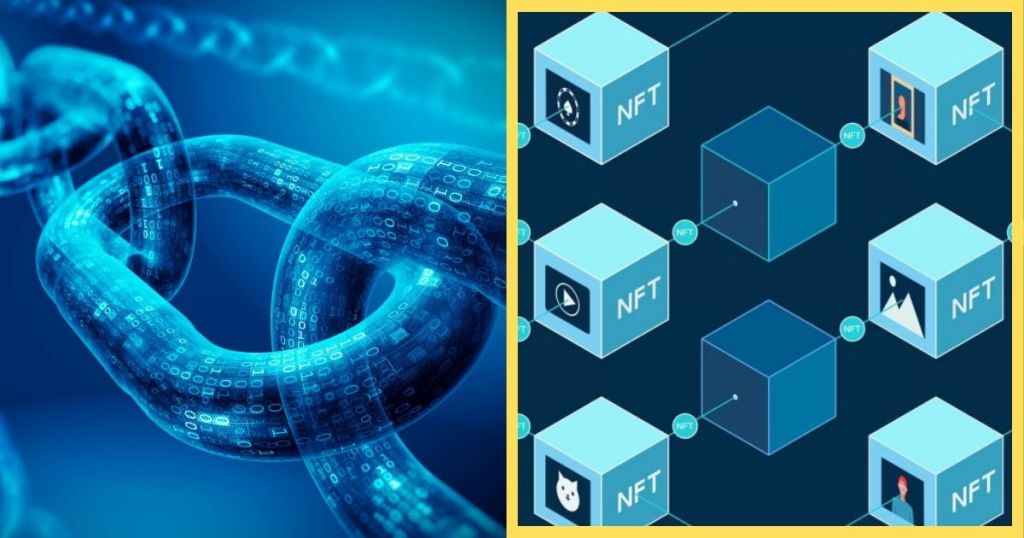
Tokenization—the process of converting physical or financial assets into blockchain-based digital tokens—is no longer confined to startups and crypto enthusiasts. By 2025, analysts project that the global tokenization market will surpass $7 trillion in asset value, covering real estate, equities, commodities, and even fine art.
For enterprises, tokenization offers fractional ownership, improved liquidity, and streamlined settlement processes that were previously unimaginable.
Unlocking Liquidity
One of the biggest barriers in traditional finance has been the illiquidity of physical assets. Real estate, for example, often requires large upfront investments and long holding periods. With tokenization, a property worth $10 million can be divided into thousands of tokens, allowing investors to buy and sell fractions in secondary markets.
“Tokenization transforms how assets are owned and traded,” said Claire Donovan, head of digital assets strategy at a multinational bank. “It reduces entry barriers, creates liquidity, and expands the investor base beyond traditional capital markets.”
This model has already been piloted in Europe and Asia, where tokenized real estate funds and commodity-backed tokens are drawing institutional interest.
The Compliance Factor
Tokenization introduces new opportunities but also raises compliance questions. Regulators are concerned about ensuring that tokenized assets adhere to securities laws, anti-money laundering (AML) frameworks, and investor protection standards. In the U.S., the SEC has issued early guidance suggesting that many tokenized assets could be treated as securities, triggering reporting and oversight requirements.
“Enterprises can’t just tokenize and sell—compliance has to be baked in from the start,” said Jonathan Lee, a blockchain regulatory advisor. “The challenge is aligning innovative models with existing legal frameworks that weren’t built for digital-native assets.”
Cost Savings and Operational Efficiency
Beyond liquidity, tokenization offers cost reductions by cutting intermediaries from asset transfers. Settlement times can shrink from weeks to minutes, reducing transaction costs by as much as 40% in some pilot programs. For global enterprises managing cross-border assets, tokenization also simplifies reconciliation and reporting by maintaining a single, tamper-proof ledger.
However, the technology requires substantial upfront investment in secure platforms, custody solutions, and integration with existing IT systems. Analysts note that enterprises often underestimate the operational lift required to deploy tokenization at scale.
The Future of Asset Markets
Tokenization is poised to reshape entire industries. From energy companies tokenizing carbon credits to logistics firms tokenizing supply chain assets, the applications are expanding rapidly. Market watchers predict that by 2030, up to 10% of global GDP could be stored and transacted via tokenized assets, fundamentally altering capital flows and ownership structures.
“Tokenization isn’t just a financial innovation—it’s a structural shift,” said Donovan. “The enterprises that adopt early will gain a competitive edge in efficiency, liquidity, and access to global capital.”
Scaling the Ledger
The transition from experimental pilots to enterprise-scale adoption won’t be without obstacles. Technology integration, regulatory clarity, and market education will determine how quickly tokenization becomes a mainstream reality. For corporations, the decision is less about whether tokenization is viable, and more about when to prepare for the inevitable shift.
The ledger is changing, and enterprises that fail to adapt risk being left behind in the next era of digital asset markets.



Leave a Reply