The next time you scroll past a wildlife post, remember this: up to one million species globally face extinction, and some of them live right here in Southeast Asia. Google is now using artificial intelligence to help stop that slide, with potential ripple effects for biodiversity hotspots like the Philippines.
Through a partnership with the Vertebrate Genomes Project, Google is deploying advanced AI tools and funding to decode the DNA of threatened animals. The goal is simple but powerful. Build a biological instruction manual for species before they disappear.
Using tools such as DeepPolisher, DeepVariant, and DeepConsensus, Google is making genomic sequencing faster, more accurate, and more affordable. What once took 13 years and $3 billion to sequence the first human genome can now be done in days at a fraction of the cost.
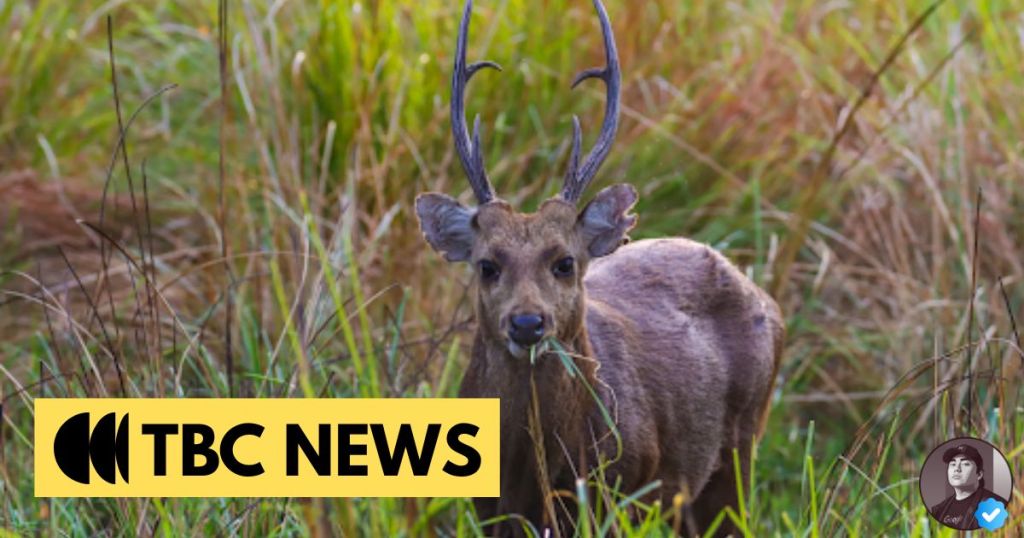
So far, 13 endangered species have been sequenced, including several native to Southeast Asia. They include the Elongated Tortoise, a critically endangered reptile now reliant on captive breeding and reintroduction, the Hog Deer, once plentiful across South and Southeast Asia but now in serious genetic decline, and Eld’s Deer, which needs coordinated breeding and conservation plans to survive.
Google.org has also awarded the AI for Science fund to The Rockefeller University to expand the effort to 150 additional species, potentially opening the door for Philippine wildlife such as the Visayan Spotted Deer to benefit from genomic preservation.
The genomic data is being made freely available to scientists worldwide. For conservationists in the Philippines, access to this level of genetic insight could mean smarter breeding programs, stronger populations, and a better shot at survival.
If extinction is a race against time, AI just gave endangered species a fighting chance.







Leave a Reply