Tag: russia

  • 8 Alarming Reasons the Philippines-Ukraine Alliance Could Change Asia’s Security Future

    8 Alarming Reasons the Philippines-Ukraine Alliance Could Change Asia’s Security Future

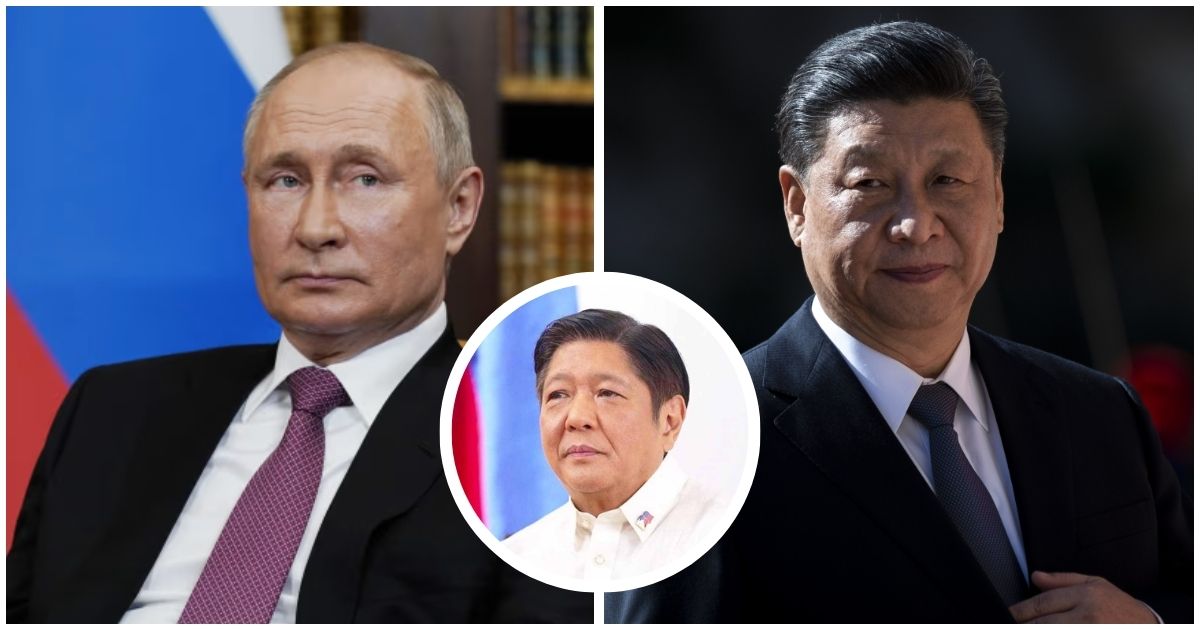
    A composite image featuring Russian President Vladimir Putin, Chinese President Xi Jinping, and Philippine President Ferdinand Marcos Jr. against a backdrop highlighting geopolitical tensions.

    The world is entering one of its most dangerous chapters in decades. Russia’s brutal invasion of Ukraine rages on. China tightens its grip in the West Philippine Sea.

    The United States and its allies scramble to keep order. And right in the middle of this chaos, the Philippines and Ukraine are forging a powerful alliance that could redefine the balance of power in Asia.

    At a high-level forum hosted on September 23, 2025, by the Stratbase Institute and the Embassy of Ukraine, lawmakers, diplomats, and defense experts laid out why this partnership is not just symbolic—it’s a survival pact.

    Here are eight revelations from the event that show why this alliance could make or break the region’s security.

    1. Shared Battles Against Bullies

    Stratbase Institute President Victor Andres “Dindo” Manhit made it clear: both Ukraine and the Philippines are fighting off larger, more aggressive neighbors. Ukraine bleeds daily under Russia’s war of aggression. The Philippines fends off China’s coercion and incursions in the West Philippine Sea.

    Manhit’s warning was blunt—if these two democracies don’t join forces, both could be swallowed whole by authoritarian expansion.

    2. Common Values, Unbreakable Bond

    Ukrainian Ambassador Yuliia Fediv stressed that distance doesn’t matter when nations share the same DNA of struggle. Ukraine and the Philippines are tied together by their defense of sovereignty, territorial integrity, and a rules-based international order.

    For both countries, standing alone is no longer an option. Solidarity is survival.

    3. Lessons from the Black Sea for the West Philippine Sea

    Dr. Hanna Shelest of the Foreign Policy Council “Ukrainian Prism” drew a chilling parallel: Ukraine’s Black Sea nightmare mirrors the Philippines’ West Philippine Sea ordeal. Stronger neighbors test international law at sea, exploiting gray zones to weaken resistance.

    Ukrainian lawmaker Tamila Tasheva put it simply—maritime security is not just about ships, it’s about protecting people, trade, and the fragile principles holding global order together.

    4. Drones and Tech Are Rewriting the Rules of War

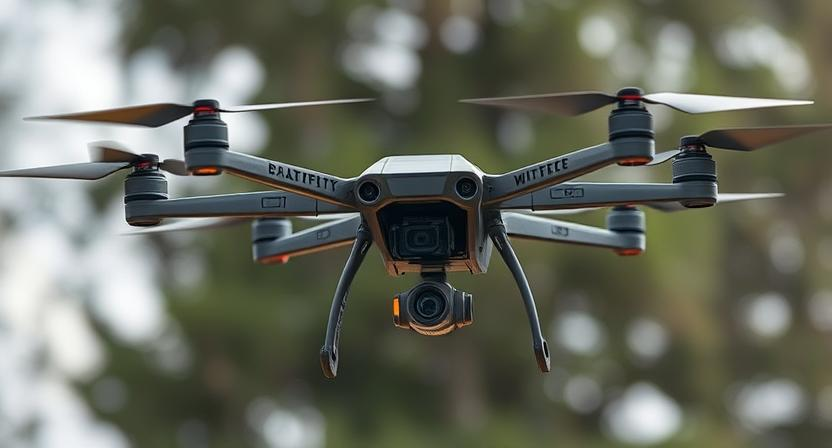
    Forget tanks and fighter jets—the new war machines are drones and AI-driven tools. Natalia Gumenyuk, CEO of Ukraine’s Public Interest Journalism Lab, revealed how Ukraine is creating the playbook for drone warfare. Remote-operated boats, battlefield innovations, and rapid tech feedback loops are changing how wars are fought.

    And the Philippines is paying close attention. Why? Because in the South China Sea, drones could decide who dominates the skies and waters.

    5. Food, Trade, and the Power of Grain

    Security isn’t just about missiles—it’s also about rice, corn, and bread. Ukrainian MP Lesia Vasylenko reminded the audience that Ukraine remains the world’s breadbasket. For the Philippines, dependent on imports, Ukrainian grain could mean food stability in times of crisis.

    MP Vadym Halaichuk went further, suggesting that trade between Manila and Kyiv could even replace some of the goods the Philippines currently sources from China. Food security here is tied to geopolitics more than ever.

    6. Warnings from Philippine Military Minds

    Retired Rear Admiral Rommel Jude Ong and former AFP Chief of Staff Gen. Emmanuel Bautista sounded the alarm: China’s naval buildup has already surpassed the U.S. Navy in battle force numbers. This imbalance leaves the Philippines dangerously exposed.

    Bautista posed the haunting question: “Will China do a Ukraine?” His grim answer—whether it’s Taiwan or the Philippines, conflict in Asia is not a matter of if, but when.

    7. Reciprocity, Diplomacy, and Culture

    Dr. Chester Cabalza of the International Development and Security Cooperation urged reciprocity—if Ukraine has backed the Philippines’ United Nations Security Council bid, then Manila must repay the goodwill. Beyond politics, he stressed that food, trade, and cultural ties, from meat and fertilizer to cinema and shared heritage, must strengthen this alliance.

    It’s not just about weapons; it’s about winning hearts, minds, and trust.

    8. Europe is Watching, and So Should We

    The Ukraine-Philippines forum was no isolated talkfest. Just days earlier, Stratbase hosted another event with the European Council on Foreign Relations, warning about gray zone operations, cyberattacks, and lawfare. The message is unmistakable: Europe and Asia are linked by the same threats.

    If the Philippines and Ukraine fall, Europe is next. And if Europe collapses, Asia will be left to face authoritarian giants alone.

    Final Takeaway

    The Philippines-Ukraine alliance is not just a diplomatic handshake. It is a signal flare, warning the world that democracies on the frontline of authoritarian aggression are joining forces to survive. For the Philippines, it’s about protecting the West Philippine Sea.

    For Ukraine, it’s about defending its homeland from Russia. But for both, it’s about something much bigger—proving that even small and distant nations can fight back when they stand together.

    If ignored, this alliance could be the world’s missed chance to prevent the next global catastrophe.

  • China and Russia Loom: Why the Philippines’ New Alliance With Ukraine Should Terrify Every Filipino

    China and Russia Loom: Why the Philippines’ New Alliance With Ukraine Should Terrify Every Filipino

    The world is sliding into chaos—and the Philippines may be standing on the fault line. As Russia’s bloody war in Ukraine drags on and China ramps up its illegal bullying in the West Philippine Sea, the Philippines and Ukraine have decided to forge a stronger alliance.

    But beneath the warm words of “partnership” and “cooperation,” this alliance sends a chilling message: the Philippines is preparing for a darker, more dangerous future.

    Two Nations, One Enemy: Aggression From Bullies

    At a high-level forum hosted by the Stratbase Institute and the Embassy of Ukraine in Manila, lawmakers, diplomats, and military leaders made it clear—Ukraine and the Philippines face the same nightmare.

    Stratbase Institute President Victor Andres “Dindo” Manhit minced no words: both nations are under attack. Ukraine bleeds daily from Russia’s bombs and missiles. The Philippines, meanwhile, is being harassed by Chinese ships that swarm, ram, and block Filipino fishermen in their own waters.

    “Ukraine is courageously defending its territory against outright armed aggression, while the Philippines asserts its sovereign rights in the West Philippine Sea in the face of coercion and incursions,” Manhit said. His warning was stark: deeper cooperation is not optional—it is urgent.

    Ukraine and the Philippines: Bonded by War and Fear

    Ukrainian Ambassador Yuliia Fediv pointed out that, though oceans apart, the two nations are united by trauma. Both have been violated by stronger neighbors who spit on international law.

    “Both of our nations are committed to defending sovereignty, territorial integrity, and upholding a rule-based international order,” Fediv declared.

    Her words underscored a frightening truth: what Russia has done to Ukraine, China could easily do to the Philippines.

    The Black Sea and the West Philippine Sea: Mirrors of Danger

    Dr. Hanna Shelest, a Ukrainian security expert, drew a haunting parallel between Europe’s Black Sea and Asia’s contested waters. “If you don’t understand why it is important for all of us… you’re just not understanding the security challenges that we are facing,” she warned.

    Her message is clear—ignore Ukraine’s suffering, and you invite the same fate.

    Ukrainian parliamentarian Tamila Tasheva drove the point home: both countries are stalked by predators who test the limits of international law. For her, maritime security is not about warships—it is about protecting people, trade, and the fragile order that keeps the world from sliding into anarchy.

    Technology and the Terrifying New Face of War

    Ukraine’s brutal battlefield innovations are rewriting the rules of conflict, and the Philippines cannot afford to look away.

    Natalia Gumenyuk, a Ukrainian journalist, revealed how drones and unmanned boats have become deadly tools of survival. “They are boats which can be remotely operated… But the secret is not about one technology. It’s about the very developed feedback loop between the producers and the battlefield,” she explained.

    The reality is sobering: Ukrainians are writing the military doctrine of tomorrow. And if war breaks out in the West Philippine Sea, Filipinos may find themselves staring down the same terrifying technologies.

    Trade, Diplomacy, and Food Security at Risk

    Beyond the battlefield, Ukraine’s leaders issued another warning—one that should alarm every Filipino household.

    Ukraine is one of the world’s largest grain exporters. Its parliamentarian Lesia Vasylenko reminded Filipinos: “For you, it’s very important because it’s your food security.”

    If Ukraine falls, the global food chain collapses—and the Philippines, which already struggles with inflation, will suffer first.

    Vadym Halaichuk, another Ukrainian MP, called the opening of Ukraine’s embassy in Manila a major step forward but warned that trade between the two nations is still dangerously low. “We are now trading at less than $70 million in 2024… but that’s a huge potential for expanding. What we can look into is replacement of some of the goods that we are purchasing from China,” he stressed.

    In other words, every peso the Philippines spends on Chinese imports strengthens the very country undermining our sovereignty.

    Philippine Experts Sound the Alarm

    Filipino security experts were blunt: China is preparing for dominance, and the Philippines is dangerously exposed.

    Retired Rear Admiral Rommel Jude Ong described China’s military growth as overwhelming: “Since 2015, the PLA Navy has surpassed the U.S. Navy in terms of battle force numbers. That creates what I call a regional imbalance of naval power.”

    General Emmanuel Bautista, former AFP chief, issued a grim scenario: “Will China do a Ukraine? Either Taiwan or the Philippines… the Philippines will be inevitably involved.”

    The implication is horrifying: the Philippines is not a bystander. If Beijing strikes, Manila will bleed.

    Reciprocity, Culture, and the Human Factor

    Dr. Chester Cabalza of the Stratbase Institute reminded Filipinos that alliances must be two-way. Ukraine backed the Philippines’ bid for a United Nations Security Council seat, and Manila must repay the support.

    He also pointed to cultural diplomacy as another front—Ukraine exports not just food and resources, but also art and ideas. Yet in the shadow of war, even cultural exchange becomes an act of defiance against aggressors.

    Europe, Asia, and the Coming Global Firestorm

    This forum followed another Stratbase gathering with European leaders just days earlier, warning of gray zone tactics, cyberattacks, and lawfare—all tools of intimidation used by authoritarian regimes.

    The message resounded: from Europe to Asia, democracies are under siege.

    Why Filipinos Should Be Afraid

    Every speech, every warning, every comparison at the forum painted a terrifying picture. The Philippines is not safe. The seas we fish in, the food we eat, the jobs we rely on, even the culture we share—all are threatened by aggressors who believe might makes right.

    Ukraine’s tragedy is a warning. If Russia can trample a sovereign nation without consequence, what will stop China from doing the same in the West Philippine Sea?

    The partnership between the Philippines and Ukraine is more than symbolic. It is a desperate preparation for storms on the horizon—storms that could engulf every Filipino in fear, hunger, and war.

    And if the world refuses to learn from Ukraine’s suffering, the Philippines may be next.

  • Russian Strikes Kill Two in Eastern Ukraine as Drone Attacks Escalate

    Russian Strikes Kill Two in Eastern Ukraine as Drone Attacks Escalate

    Russian airstrikes killed two people in eastern Ukraine overnight, while a separate drone attack wounded 14 in the central town of Kropyvnytsky, local officials reported Thursday.

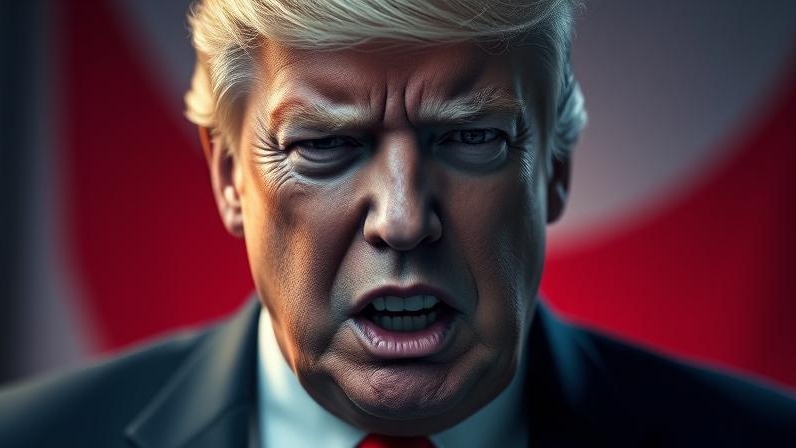
    The assault, part of a surge in aerial attacks from both sides, comes as US President Donald Trump pushes for a ceasefire after over three years of war.

    Ukraine’s northeastern Sumy and Kharkiv regions saw more than three dozen Russian glide bombs, leaving multiple casualties, while Kropyvnytsky suffered heavy damage to residential areas.

    Ukrainian officials said air defenses shot down 75 of the 171 drones launched by Russia, with an additional 63 neutralized by electronic jamming.

    Russia claimed its forces intercepted 132 Ukrainian drones, including a massive attack on the southwestern Saratov region, causing fires and damaging a hospital and schools in the city of Engels.

  • 5 Overlooked Events and Movements Shaping the Tariff War

    5 Overlooked Events and Movements Shaping the Tariff War

    While the world fixates on the headline battles of the ongoing tariff war, a handful of quieter but equally powerful shifts are unfolding behind the scenes. These events could reshape global trade in ways few are paying attention to.


    1. China’s Pivot to Latin America

    As tariffs choke U.S.-China trade, Beijing is forging deeper economic ties with Latin American countries. From major soybean deals with Brazil to infrastructure projects in Argentina, China is strategically diversifying its import sources. This under-the-radar shift not only secures food supplies but also strengthens China’s foothold in the region — traditionally within America’s sphere of influence.


    2. The Rise of Southeast Asian Manufacturing Hubs

    With Chinese exports becoming pricier, companies are rerouting supply chains to Vietnam, Thailand, and Malaysia. Apple, for instance, is increasingly shifting production to Vietnam to dodge rising costs. This quiet manufacturing exodus is transforming Southeast Asia into a new global factory floor — a shift that might outlive the tariff war itself.


    3. Currency Manipulation Accusations Heating Up

    While tariffs make headlines, currency devaluation is the quieter battlefield. The U.S. has accused China, Vietnam, and even Japan of keeping their currencies artificially low to make exports cheaper despite tariffs. If these accusations turn into sanctions or further financial conflict, it could trigger ripple effects in global markets.


    4. Russia and China’s Quiet Energy Alliance

    With Western tariffs squeezing China’s energy imports, Russia has stepped in to fill the gap. A rising number of energy deals — including massive gas pipelines and coal exports — are strengthening the economic bond between Moscow and Beijing. This growing alliance, largely ignored by mainstream coverage, could reshape global energy routes and power balances.


    5. Tech Cold War Intensifying Beyond Semiconductors

    Most eyes are on the chip war, but the battle extends further. China is quietly pushing to dominate emerging fields like AI, green energy, and electric vehicles — industries the U.S. is also vying to lead. This tech standoff, driven by tariffs and export bans, isn’t just about microchips anymore — it’s a fight for the next wave of global innovation.


    The Bigger Picture:

    While the tariff war’s headline clashes grab attention, these overlooked moves are quietly reshaping global alliances, industries, and supply chains. The true consequences may unfold in these backchannels — long after the tariff talks end.

  • Caught Red-Handed: OLAF’s Crackdown on Illegal Chemical Exports to Russia

    Caught Red-Handed: OLAF’s Crackdown on Illegal Chemical Exports to Russia

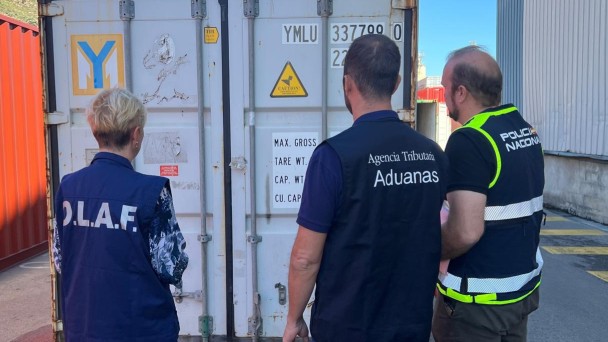
    The European Anti-Fraud Office (OLAF) has made significant strides in enforcing EU sanctions against Russia through Operation “Probirka.”

    This operation led to the arrest of four individuals involved in the illegal export of chemicals to Russia and the seizure of 13 tons of restricted substances.

    Since Russia’s invasion of Ukraine in 2022, the EU has implemented stringent sanctions, including comprehensive bans on specific goods.

    OLAF has played a crucial role in monitoring trade flows and investigating attempts to circumvent these sanctions.

    Collaborating with Spanish authorities, OLAF uncovered that certain companies were rerouting goods through intermediaries in Kyrgyzstan destined for Russia.

    The agency meticulously gathered export data from various EU member states, providing vital evidence to confirm these illicit transactions.

    Ville Itälä, OLAF’s Director-General, highlighted the importance of data synergy among national authorities to enhance sanction enforcement.

    The investigation led to arrests in Catalonia, where three suspects were Russian nationals.

    A Spanish company managed by Russian nationals orchestrated a sophisticated scheme involving shell companies to disguise the true destination of the chemicals.

    OLAF’s ongoing efforts aim to dismantle this smuggling network and ensure compliance with EU sanctions.

  • G7 export control unit convenes in Brussels

    G7 export control unit convenes in Brussels

    The European Anti-Fraud Office (OLAF) recently hosted the first in-person operational meeting of the G7 Sub-Working Group on Export Control Enforcement in Brussels on April 16-17, 2024.

    This gathering brought together experts from the Group of Seven countries and OLAF to exchange information, operational results, and discuss the latest trends in research and analysis to strengthen the fight against sanctions circumvention against Russia and Belarus.

    The primary objective of this group is to address the illicit trade of battlefield products. Participants from Canada, France, Germany, Italy, Japan, the United Kingdom, and the United States shared operational intelligence and the latest knowledge on evasion patterns and outreach efforts in third countries to improve enforcement of existing rules.

    Ville Itälä, Director-General of OLAF, emphasized the importance of this collaboration: “We are glad to be able to support our partners in such a sensitive and crucial effort as the enforcement of the EU’s export sanctions. We are helping to provide, collect, and exchange intelligence and data analysis so that national customs authorities can intercept any suspicious shipments. In some cases, there are clear red flags that set investigators into motion. Other cases require more in-depth analysis, which OLAF can provide efficiently, as this has been part of our work against smuggling, counterfeiting, and other kinds of customs fraud for decades”.

    OLAF has been coordinating an operation since the summer of 2023 that targets prohibited exports from the EU of dual-use goods, which are items that have a normal civilian use but can also be used as components for the battlefield. Customs authorities from the EU’s Member States participate in the operation, which also receives support from third countries such as the U.S., Canada, and Ukraine.

    The OLAF operation has resulted in the interception of 233,000 items, including telecommunication equipment, electrical circuits, computer chips, and routing devices, with a current total value exceeding 2.3 million euros. OLAF’s investigators and data analysts have also identified several suspicious companies and shipments to be tracked, ensured cooperation with third countries, and established the most frequent modi operandi.

    According to the European Commission, the EU has imposed several sanctions on Russia since 2014, including restrictions on economic activities, diplomatic measures, and individual restrictive measures. The EU has also imposed sanctions on Belarus since 2021, including economic restrictions and individual restrictive measures.

    These sanctions aim to address the EU’s concerns about the situation in Ukraine and Belarus, including human rights violations, the annexation of Crimea, and the destabilization of eastern Ukraine.

    The G7 Sub-Working Group on Export Control Enforcement’s efforts to combat sanctions circumvention and the illicit trade of battlefield products are essential to ensuring the effectiveness of these sanctions.

    By sharing operational intelligence and the latest knowledge on evasion patterns and outreach efforts in third countries, the group can improve the enforcement of existing rules and prevent the circumvention of sanctions.

    In addition to the G7 Sub-Working Group on Export Control Enforcement, several other international organizations and initiatives are working to combat sanctions circumvention and the illicit trade of battlefield products.

    For example, the Financial Action Task Force (FATF) is an international organization that sets standards for combating money laundering and terrorist financing. The FATF has identified several countries and territories with strategic deficiencies in their anti-money laundering and counter-terrorist financing regimes, including Iran, North Korea, and Myanmar.

    The Proliferation Security Initiative (PSI) is another international initiative that aims to prevent the spread of weapons of mass destruction and their delivery systems. The PSI has over 100 participating countries and has conducted several exercises and operations to interdict suspicious shipments.

    The G7 Sub-Working Group on Export Control Enforcement’s efforts are part of a broader international effort to combat sanctions circumvention and the illicit trade of battlefield products. By working together, these organizations and initiatives can help ensure the effectiveness of sanctions and prevent the spread of weapons of mass destruction and their delivery systems.