Tag: water conservation

  • SM Prime champions sustainability with Water for Tomorrow Campaign

    SM Prime champions sustainability with Water for Tomorrow Campaign

    Access to clean and potable water is one of today’s most pressing challenges, with rapid urbanization and population growth straining freshwater resources.

    United Nations (UN)-Water emphasizes that effective water management is crucial for society and the environment.

    SM Prime Holdings, Inc. (SM Prime), a leading integrated property developer in Southeast Asia, has prioritized water conservation and management since the early 1990s—long before water stress and its link to climate change became widely recognized.

    Through Water for Tomorrow, SM Prime’s water stewardship campaign, the company actively integrates climate resilience into its developments, ensuring responsible resource management while supporting the well-being of the communities it serves.


    Sustainable water management

    Water conservation measures and efficient management systems are embedded in SM Prime’s building operations. The company invests heavily in sustainable water management technologies to reduce freshwater use and the demand for municipal water supply. It has identified practical water usage and innovations to address the growing concern of water security. 

    In 2023, SM Prime’s reported total water consumption amounted to 7.2 million cubic meters, with 61% of that consumed water being recycled. 

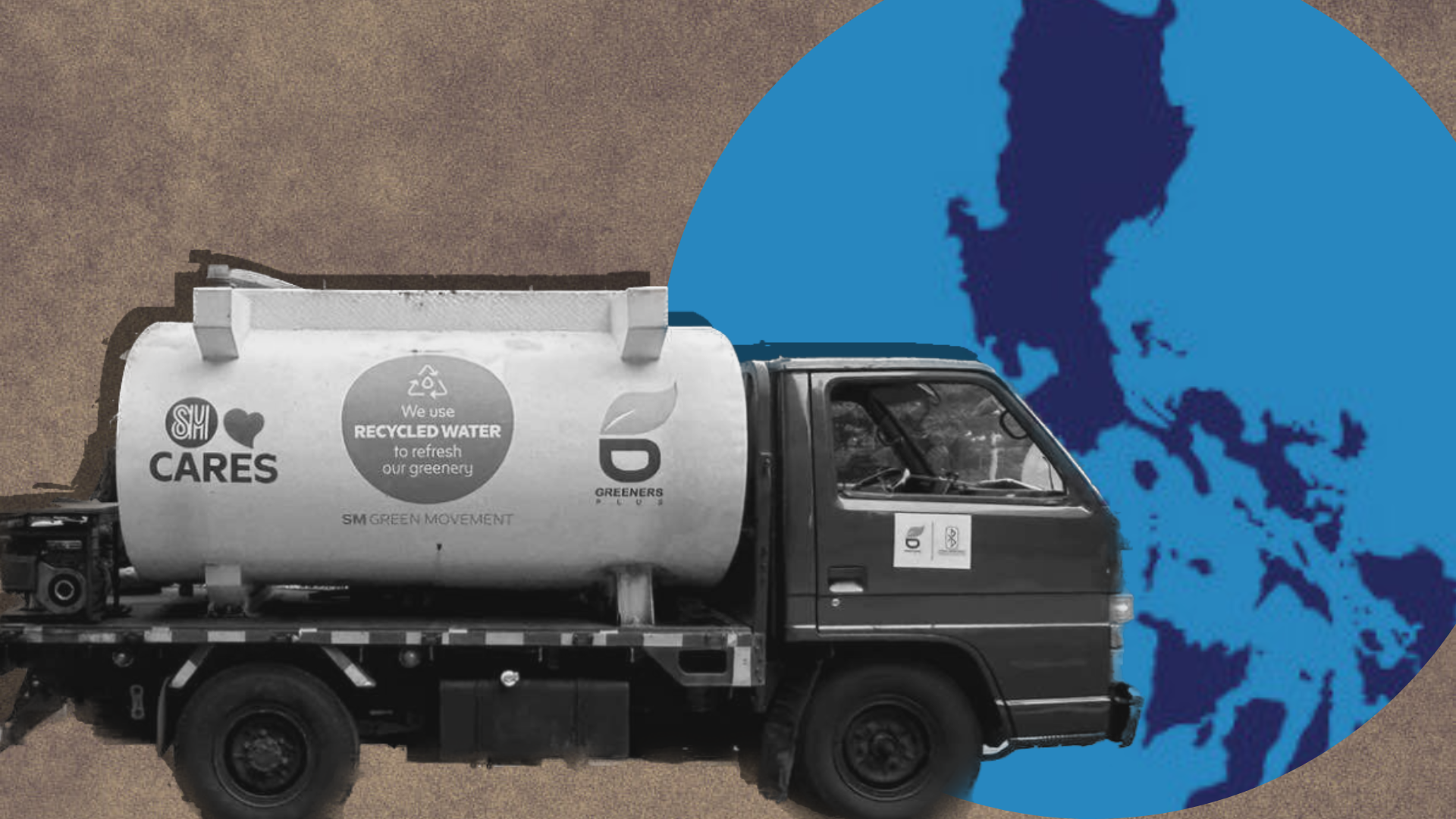
    On average, more than 1 billion gallons of recycled water is used for mall operations. SM Supermalls uses recycled water for cleaning and sanitation, caring for its plants and landscaping, and cooling its air conditioning towers.

    Efficient plumbing and innovative water-saving technologies with low-flow fixtures also regulate the mall’s water consumption. 

    These practices have been scaled throughout the group. The SM Offices’ E-Com Centers in the Mall of Asia Complex have sewage treatment plants that recycle greywater.

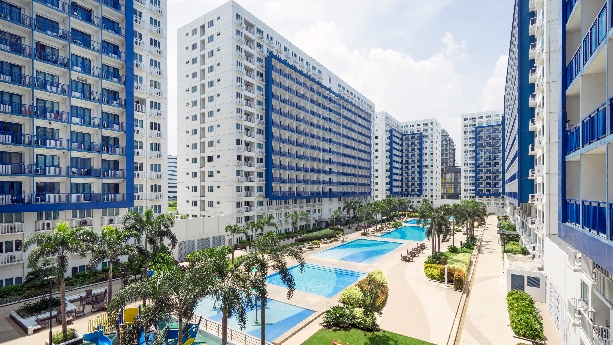
    Aside from rainwater harvesting systems that help maintain its urban gardens, SM Development Corporation (SMDC)’s Sea and Shore Residences donate its discharged treated water to the greening of the Estates in the MOA Complex. 

    As part of its water conservation program in Pico Sands Hotel, SM Hotels and Convention Corporation reduced its freshwater consumption by 36%, reaching 52% water reuse and 41% for Pico de Loro Beach and Country Club.

    Together with Hamilo Coast, SM Prime’s luxury and leisure estates in Nasugbu, Batangas, its water desalination plant has made significant impacts on water management and sustainable eco-tourism since 2010, ensuring that it services all developments that call Hamilo home. 


    Protecting water resources 

    SM Prime supports this year’s UN-Water World Water Day 2025 on March 22, which focuses on the theme “Glacier Preservation.” 

    Halfway around the globe, glaciers play a critical role in the global water cycle.  Glacial ice is the largest reservoir of fresh water, holding about 69% of the world’s fresh water.

    With rapid glacial melting, altered rainfall patterns, droughts, and rising sea levels, the planet risks a water crisis that affects the most vulnerable.

    Recognizing these challenges and the need for a reliable water supply, SM Prime continues to integrate water-efficient systems in its property developments.

    This helps create public awareness and encourages responsible water use among mallgoers, tenants, employees, and communities.

    In 2023, SM Supermalls’ SM City Baguio rainwater treatment facility (RTF) was launched to help reduce dependence on freshwater sources.

    It has treated 17,000 cubic meters of rainwater into potable water and continues to operate and serve its host community. 

    SM Prime’s Water for Tomorrow program plays a key role in SM Prime’s sustainability strategy, along with Net Zero by 2040 and a Waste-Free Future. 

  • A dive into the water conservation practices of SM | Buzz Capital – Beyond The Narrative

    A dive into the water conservation practices of SM | Buzz Capital – Beyond The Narrative

    The ripple effect of the water crisis has reached every part of the globe.

    According to the World Wildlife Fund, some 1.1 billion people worldwide lack access to water, and a total of 2.7 billion find water scarce for at least one month of the year.

    Worst, two-thirds of the global population may face water shortages by 2025 and ecosystems will suffer.

    As the gravity of these issues becomes increasingly apparent, several countries have taken significant steps to forge a more sustainable future for the Earth.

    Noteworthy examples include Singapore’s water management plan and The Netherlands’ intricate conservation practices.

    In the Philippines, a multifaceted approach has also been embraced by the public and private sectors in safeguarding and managing water resources.

    SM Supermalls are at the forefront of the conservation and management of water resources in its mall facilities. Its endeavors form the foundation of a more sustainable and water-secure future that the company has long been advocating.

    SM has been recycling water since the 1990s, treating an average of 1 billion gallons of water annually in recent years, equvalent to 1,600 Olympic-sized swimming pools.

    In line with the SM Green Movement, SM has been continuously working towards responsible consumption and water conservation in its properties.

    To illustrate, the SM Supermalls’ comfort rooms have smart fixtures to manage water flow. There are also signages in the mall that advocate wise water use.

    Wastewater is channeled to the malls’ sewage treatment plants that recycle an estimated total of 4 million cubic meters of water, lessening their dependence on freshwater sources for non-potable uses.

    SM did this even before the measure was required by way of the Clean Water Act in 2004.

    SM Mall of Asia has been involved in various sustainability and environmental initiatives, including water recycling among others.

    SM Supermalls utilizes recycled wastewater from the mall for irrigating its gardens.

    SM Malls have “Save Water” signages that typically aim to create awareness about water conservation and inspire people to take simple actions to reduce their water consumption

    Recently, SM took a step further in resource management by launching the first-ever water filtration system at SM City Baguio.

    This facility can turn collected rainwater into potable water for mall tenant use such as washing and cooking as well as dishwashing and handwashing, allowing the mall to further lessen its dependence on the freshwater supply of the Baguio community.

    SM took a step further in resource management by launching the first-ever water filtration system at SM City Baguio.

    SM’s dedication aligns with the world’s environmental sustainability and climate action goals.

    Rainwater catchment basins in flood-prone areas and the rainwater filtration in SM Baguio further exemplify this commitment.

    These significant efforts underscore the ongoing need for sustainable practices and policies.

    The journey towards sustainable water management is ongoing. SM Supermalls, through its initiatives, paves the way for a greener, more secure future.

    Learn more at SM Cares or follow SM Supermalls on social media.

  • SM Foundation intros rainwater harvesting for sustainable impact

    SM Foundation intros rainwater harvesting for sustainable impact

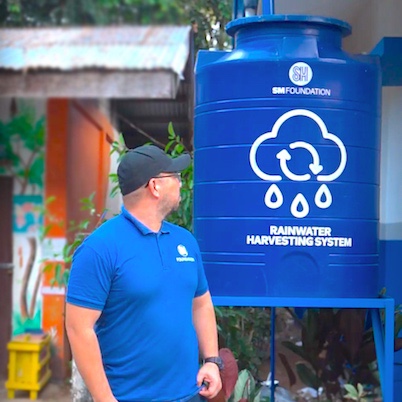
    In line with the SM Green Movement, the SM group, through SM Foundation, recently established a rainwater harvesting system at the Brgy. Irawan Birthing Facility in Puerto Princesa City, Palawan.

    The initiative aims to strengthen their goal of preserving the environment and ensuring the health and wellness of futuregenerations.

    To enhance water conservation and management in the facility, the system collects rainwater from the roof and gutter, passing it through vinyl-coated mesh filters to help ensure water quality.

    With an 800-liter storage capacity, the harvested water serves the facility’s non-potable needs like watering plants, cleaning, and toilet flushing.

    The rainwater harvesting facility also operates without electricity and features labeled faucets for intuitive recycled water use.

    Midwife Narcisa Jagmis, who leads the said birthing facility, said that the facility will help them reduce their reliance on the city’s water supply systems.

    “Mahalagang hindi kami nawawalan ng tubig sa center, lalo na po pag nagsimula kaming magoperate bilang birthing clinic. Ngunit minsan po, walang dumadaloy na tubig at wala kaming mapagkukunan,” Jagmis shared.

    “Kaya napaka laking tulog po ng natural na tubig mula sa rainwater catchment system na. Madali namin itong naaccess upang gamitingpanglinis o pandilig dahil konektado ito sa mga gripo. Ang tubignaman mula sa main line ay maitatabi namin para sa aming sterile operations,” she said.

  • DENR, SM Prime calls for stronger water conservation investments

    DENR, SM Prime calls for stronger water conservation investments

    The Department of Environment and Natural Resources (DENR) and SM Prime Holdings, Inc. (SM Prime), one of the leading real estate developers in Southeast Asia, recently called on local public officials to avoid the extraction of groundwater and, instead, invest in rainwater collection for recycling and impoundment, as well as explore new technologies such as modular desalination and modular sewage treatment plants, to manage the effects of climate change on the country’s water resources.

    At the multi-stakeholder forum, “Towards a Greener Footprint”, in Iloilo City recently, Environment Secretary Maria Antonia Yulo-Loyzaga shared solutions-focused guidelines to help the local government reduce carbon footprint, with emphasis on water conservation to address the looming water crisis and increase access to safe water and sanitation.

    “We need to invest in the appropriate engineering and infrastructure to deliver water from the source,” Secretary Loyzaga said. “We must avoid, if not reduce drastically, the extraction of groundwater which in low-lying coastal areas causes subsidence and increases flooding.”

    “Rainwater catchments will not only provide additional supply for household use but will also help ensure the availability of surface water through the maintenance of watershed cover when impounded,” Secretary Loyzaga said.

    Based on the latest report of the Philippine Statistics Authority, water abstracted for own use increased from 215.2 billion cubic meters (bcm) in 2020 to 217.8 bcm in 2021 countrywide.

    From 2010 to 2021, the largest amount of self-abstracted water is for the power sector (58.7%). This was followed by agriculture (33.5%); mining and quarrying, manufacturing, and construction (5.3%); and services sector and households (2.6%).

    Earlier this month, the DENR said the country still has enough water supply, but proper management is needed to prevent a possible water crisis by the end of the year.

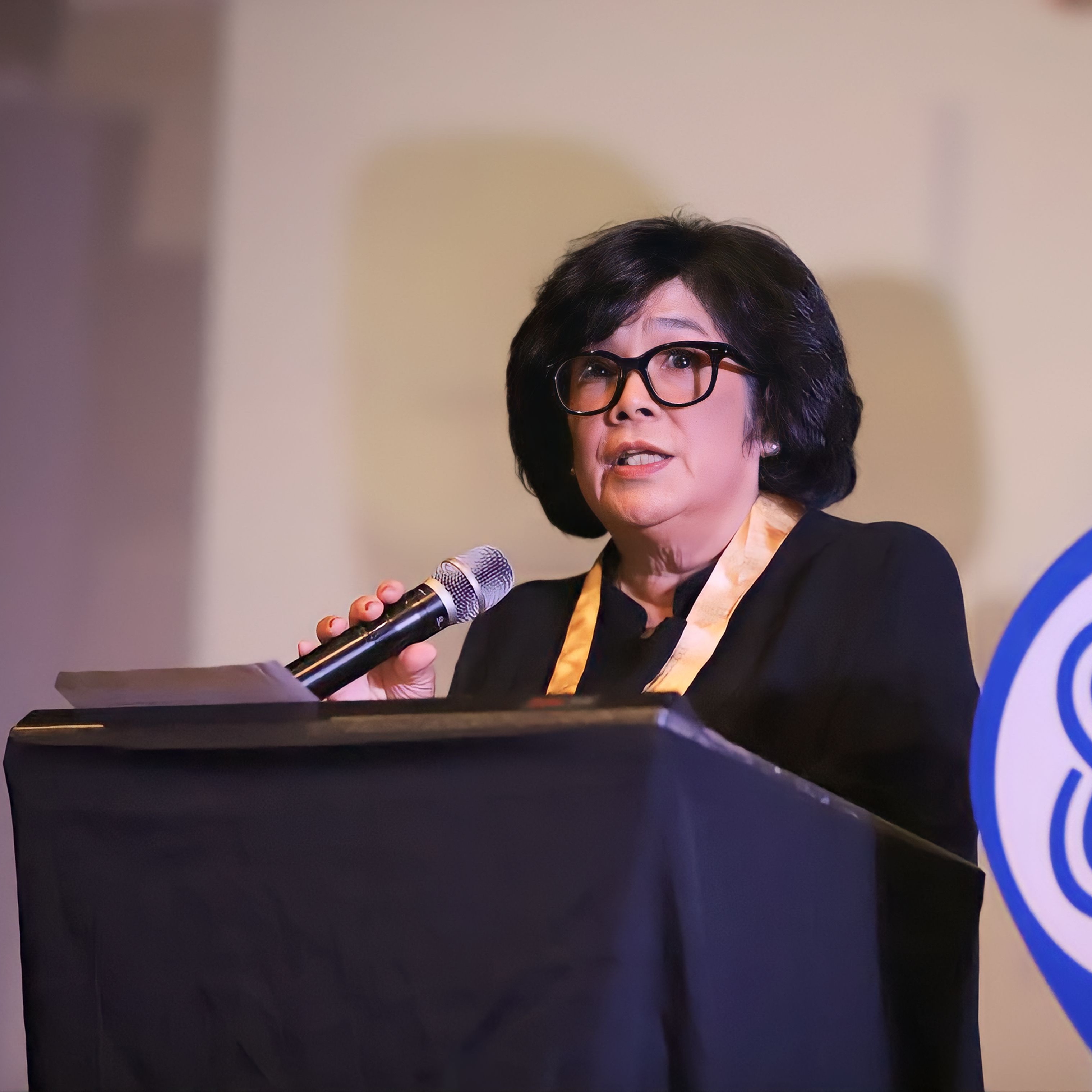
    The call was met with a resounding response from the private sector, particularly, SM Prime. In the same forum, SM Supermalls Vice President for Corporate Compliance Engr. Liza B. Silerio shared how SM Prime has stepped up the sustainability programs that it has been doing since SM Supermalls started recycling water in the 1990s.

    From rainwater catchment to help deter flooding in communities where its malls are located, SM Prime also pioneered the mall-based rainwater filtration system that converts the collected rainwater to be potable enough for washing, cleaning and even drinking.

    Launched at SM City Baguio, the facility will supply mall tenants with enough potable water to help reduce sourcing from the communities’ water table.

    “As an integrated property developer, we have seen the first-hand effects of natural hazards that are caused by the change in weather patterns in the Philippines,” Engr. Silerio explained.

    “El Nino and La Nina are two phenomena resulting from climate change. Our country ranks number one in the World Risk Index 2022 report as the most vulnerable among 193 nations.”

    Faced with this challenge, Engr. Silerio shared that SM Prime will continue to find innovative ways to address the climate challenges.

    “We continue to evolve and adapt technology to improve our resource consumption as part of our climate action,” she concluded.