
From a Simple Reddit Post to a Political Clue
A small and seemingly harmless Reddit post has sparked bigger questions about the country’s political future. The anonymous political climate researcher of Praxis Post reported that she came across a designer’s lighthearted story about landing her first political campaign project. It was a gig involving late-night Canva edits, shirt mockups, and the thrill of seeing a design printed for distribution.
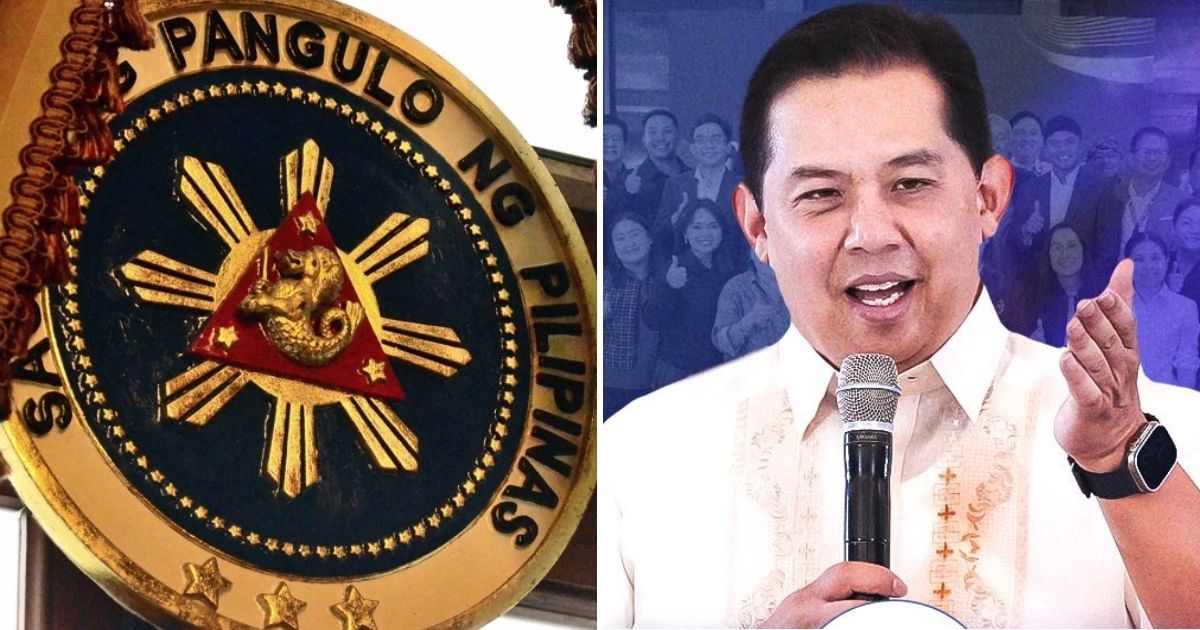
But what made the researcher stop scrolling was the client’s name. The shirts were for Martin Romualdez, the current Speaker of the House of Representatives and cousin of President Ferdinand “Bongbong” Marcos Jr. For the researcher, it was no ordinary freelance project. It was a signal that campaign machinery for Romualdez’s possible presidential run in 2028 is already being set in motion—four years ahead of schedule.
She argued that something as small as a campaign shirt is never “just a shirt.” In Philippine politics, it is wearable propaganda, an early attempt to shape public perception and normalize a candidate’s inevitability. And if Romualdez does manage to secure the presidency, the consequences could be far-reaching.
The Weight of a Political Dynasty
The Praxis Post researcher highlighted how Romualdez’s early moves reveal the influence of dynastic politics in the Philippines. His family, the Romualdezes of Leyte, has wielded power for decades. Being the cousin of President Marcos Jr. only adds to the narrative that power in the Philippines remains concentrated among a few clans.
Political scientists have long warned that dynasties weaken democratic accountability. According to data from the Ateneo School of Government, over 70 percent of Congress is composed of members from political families. Studies also show that provinces with strong dynasties often have higher poverty rates, as resources are redirected toward preserving political control rather than public service.
Romualdez’s ascent would not just continue this pattern—it would cement it further at the highest level of government.
Track Record in the House
As Speaker, Romualdez has built a reputation as a powerful tactician. The Praxis Post researcher noted that under his leadership, the House has passed measures quickly when aligned with Malacañang’s agenda. Critics have even branded it a “rubber stamp” chamber.
Among the most high-profile bills passed during his speakership was the controversial Maharlika Investment Fund, criticized by economists for exposing public funds to unnecessary risks. Calls for stronger oversight of confidential funds, including those requested by the Office of the Vice President, were largely muted under his watch.
Yet Romualdez has also advocated for expanding digital infrastructure, attracting foreign investments, and bolstering economic recovery after the pandemic. To allies, this makes him an efficient leader who can deliver results. To opponents, it underscores his role as a caretaker of the status quo, thriving in a system where loyalty is rewarded more than reform.
Controversies and Political Risks
If Romualdez pushes forward with a presidential bid, the Praxis Post researcher warned that controversies will shadow his campaign. His leadership in Congress has often been criticized for lack of transparency in budget allocations. Reports of preferential treatment for allies and the sidelining of dissenting voices could re-emerge in a high-stakes election.
Another challenge lies in the shifting alliances within the Marcos-Duterte coalition. Tensions between Romualdez and Vice President Sara Duterte have circulated for years. Political analysts speculate that both could end up running for the presidency in 2028, fracturing the once-dominant bloc that swept the 2022 elections. Such a clash would trigger one of the fiercest dynastic rivalries in recent memory.
What a Romualdez Presidency Could Look Like
The Praxis Post researcher outlined a scenario of what to expect should Romualdez win in 2028. Continuity would likely define his administration: infrastructure projects, pro-investment policies, and the strengthening of ties with both local dynasties and business elites.
But critics argue that governance reforms would be minimal. Romualdez has little incentive to dismantle the very structures that empowered him. Concerns over corruption and weak accountability mechanisms may persist, while checks and balances could erode further.
On foreign policy, Romualdez is expected to adopt a pragmatic stance similar to Marcos Jr., balancing relations with the United States and China. While Marcos tilted more toward Washington, Romualdez could pursue a more transactional diplomacy, leveraging whichever side offers more tangible benefits.
Social services such as healthcare, education, and subsidies may continue, but delivery would likely depend on the same patronage networks that often slow down genuine reform.
Why the Shirt Matters
The researcher emphasized that the significance of the Reddit post lies not in the design itself but in its timing. Campaign merchandise is one of the earliest tools of political narrative-building. By putting Romualdez’s name on shirts years before the election, his team is shaping voter perception early, normalizing his candidacy as if it were already inevitable.
Political history shows how such moves matter. In 2016, early Duterte shirts signaled grassroots momentum before formal campaigning began. In 2022, Marcos Jr.’s merchandise blitz created a sense of unstoppable support. Romualdez appears to be applying the same playbook.
Final Thoughts
For the Praxis Post political climate researcher, the Reddit post was a clue to a much larger story: that the country’s political landscape is already being reshaped by early maneuvering for 2028. Whether Romualdez is seen as a pragmatic leader who can sustain stability or as yet another dynastic figure tightening the grip of elite families will define how history remembers him.
But the researcher’s conclusion is blunt. The path to Malacañang may very well be paved with something as simple as cotton shirts. And once again, the future of Philippine democracy could hinge not only on policies and platforms but on the machinery of power that starts years before Election Day.
#Halalan2028 #Philippines #politics