Tag: elections

  • Martin Romualdez for President in 2028? Here’s What That May Mean

    Martin Romualdez for President in 2028? Here’s What That May Mean

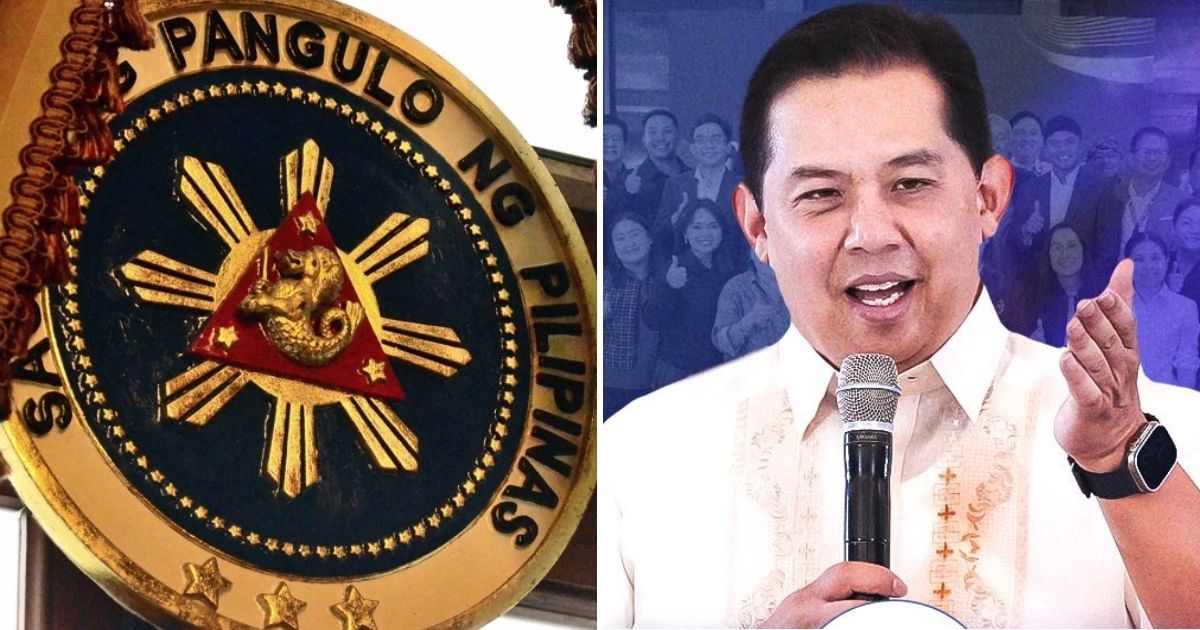
    An image featuring the Presidential Seal of the Philippines alongside a man speaking into a microphone, dressed in traditional Filipino attire, with a crowd in the background.

    From a Simple Reddit Post to a Political Clue

    A small and seemingly harmless Reddit post has sparked bigger questions about the country’s political future. The anonymous political climate researcher of Praxis Post reported that she came across a designer’s lighthearted story about landing her first political campaign project. It was a gig involving late-night Canva edits, shirt mockups, and the thrill of seeing a design printed for distribution.

    But what made the researcher stop scrolling was the client’s name. The shirts were for Martin Romualdez, the current Speaker of the House of Representatives and cousin of President Ferdinand “Bongbong” Marcos Jr. For the researcher, it was no ordinary freelance project. It was a signal that campaign machinery for Romualdez’s possible presidential run in 2028 is already being set in motion—four years ahead of schedule.

    She argued that something as small as a campaign shirt is never “just a shirt.” In Philippine politics, it is wearable propaganda, an early attempt to shape public perception and normalize a candidate’s inevitability. And if Romualdez does manage to secure the presidency, the consequences could be far-reaching.

    The Weight of a Political Dynasty

    The Praxis Post researcher highlighted how Romualdez’s early moves reveal the influence of dynastic politics in the Philippines. His family, the Romualdezes of Leyte, has wielded power for decades. Being the cousin of President Marcos Jr. only adds to the narrative that power in the Philippines remains concentrated among a few clans.

    Political scientists have long warned that dynasties weaken democratic accountability. According to data from the Ateneo School of Government, over 70 percent of Congress is composed of members from political families. Studies also show that provinces with strong dynasties often have higher poverty rates, as resources are redirected toward preserving political control rather than public service.

    Romualdez’s ascent would not just continue this pattern—it would cement it further at the highest level of government.

    Track Record in the House

    As Speaker, Romualdez has built a reputation as a powerful tactician. The Praxis Post researcher noted that under his leadership, the House has passed measures quickly when aligned with Malacañang’s agenda. Critics have even branded it a “rubber stamp” chamber.

    Among the most high-profile bills passed during his speakership was the controversial Maharlika Investment Fund, criticized by economists for exposing public funds to unnecessary risks. Calls for stronger oversight of confidential funds, including those requested by the Office of the Vice President, were largely muted under his watch.

    Yet Romualdez has also advocated for expanding digital infrastructure, attracting foreign investments, and bolstering economic recovery after the pandemic. To allies, this makes him an efficient leader who can deliver results. To opponents, it underscores his role as a caretaker of the status quo, thriving in a system where loyalty is rewarded more than reform.

    Controversies and Political Risks

    If Romualdez pushes forward with a presidential bid, the Praxis Post researcher warned that controversies will shadow his campaign. His leadership in Congress has often been criticized for lack of transparency in budget allocations. Reports of preferential treatment for allies and the sidelining of dissenting voices could re-emerge in a high-stakes election.

    Another challenge lies in the shifting alliances within the Marcos-Duterte coalition. Tensions between Romualdez and Vice President Sara Duterte have circulated for years. Political analysts speculate that both could end up running for the presidency in 2028, fracturing the once-dominant bloc that swept the 2022 elections. Such a clash would trigger one of the fiercest dynastic rivalries in recent memory.

    What a Romualdez Presidency Could Look Like

    The Praxis Post researcher outlined a scenario of what to expect should Romualdez win in 2028. Continuity would likely define his administration: infrastructure projects, pro-investment policies, and the strengthening of ties with both local dynasties and business elites.

    But critics argue that governance reforms would be minimal. Romualdez has little incentive to dismantle the very structures that empowered him. Concerns over corruption and weak accountability mechanisms may persist, while checks and balances could erode further.

    On foreign policy, Romualdez is expected to adopt a pragmatic stance similar to Marcos Jr., balancing relations with the United States and China. While Marcos tilted more toward Washington, Romualdez could pursue a more transactional diplomacy, leveraging whichever side offers more tangible benefits.

    Social services such as healthcare, education, and subsidies may continue, but delivery would likely depend on the same patronage networks that often slow down genuine reform.

    Why the Shirt Matters

    The researcher emphasized that the significance of the Reddit post lies not in the design itself but in its timing. Campaign merchandise is one of the earliest tools of political narrative-building. By putting Romualdez’s name on shirts years before the election, his team is shaping voter perception early, normalizing his candidacy as if it were already inevitable.

    Political history shows how such moves matter. In 2016, early Duterte shirts signaled grassroots momentum before formal campaigning began. In 2022, Marcos Jr.’s merchandise blitz created a sense of unstoppable support. Romualdez appears to be applying the same playbook.

    Final Thoughts

    For the Praxis Post political climate researcher, the Reddit post was a clue to a much larger story: that the country’s political landscape is already being reshaped by early maneuvering for 2028. Whether Romualdez is seen as a pragmatic leader who can sustain stability or as yet another dynastic figure tightening the grip of elite families will define how history remembers him.

    But the researcher’s conclusion is blunt. The path to Malacañang may very well be paved with something as simple as cotton shirts. And once again, the future of Philippine democracy could hinge not only on policies and platforms but on the machinery of power that starts years before Election Day.

    #Halalan2028 #Philippines #politics
  • What You Need to Know: TP and COMELEC Launch On-Site Voter Registration for BPO Workers and Families

    What You Need to Know: TP and COMELEC Launch On-Site Voter Registration for BPO Workers and Families

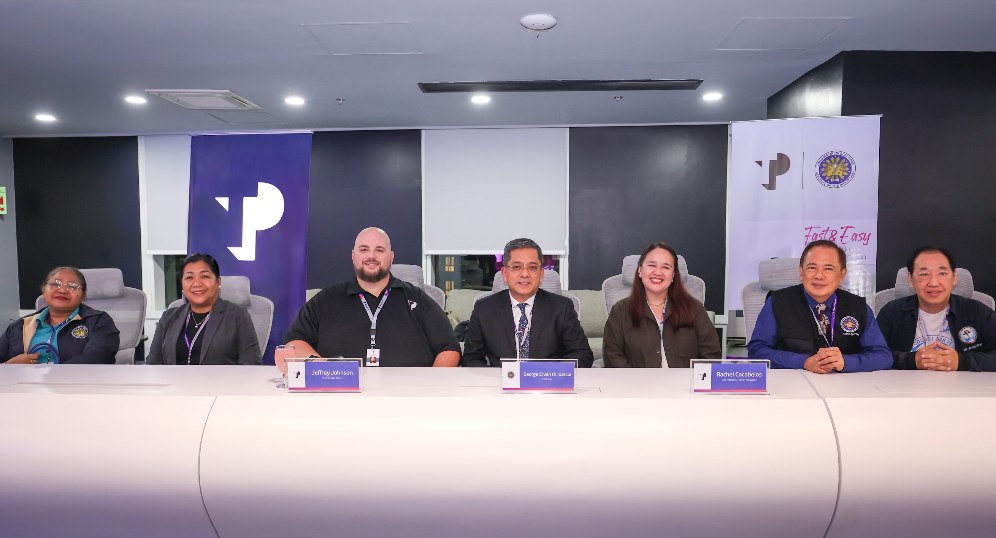
    A group of seven individuals seated at a long table during a partnership event between Teleperformance and the Commission on Elections for voter registration.

    Teleperformance (TP) and the Commission on Elections (COMELEC) have joined forces to bring voter registration closer to the workplace, helping time-strapped Filipinos prepare for the December 2025 Barangay and Sangguniang Kabataan (SK) Elections.

    Here’s a quick breakdown of the partnership and what it means for workers and the broader voter base:

    1. The Partnership: Bridging Civic Duty and Corporate Responsibility

    TP partnered with COMELEC to host an on-site registration drive under the Special Register Anywhere Program (SRAP), held at the company’s TP Aura site in Taguig.

    The initiative allowed hundreds of employees and their family members to register conveniently within office premises.

    COMELEC Chairman George Erwin Garcia, along with several commissioners and election officers, personally witnessed the event.

    2. Why It Matters: Making Voter Registration More Inclusive

    The SRAP initiative is designed to help Filipinos who struggle to find time to register, especially those in industries with 24/7 operations like BPOs.

    The program reflects a broader push from COMELEC to ensure more inclusive and accessible elections in 2025.

    According to COMELEC data, voter turnout tends to rise when registration becomes more convenient, especially for younger demographics and mobile workers.

    3. TP’s Role as Employer and Civic Partner

    With its eighth consecutive Great Place to Work® certification, TP is leveraging its workforce scale to promote civic engagement.

    Chief People Officer Jeffrey Johnson emphasized that the collaboration aligns with the company’s “people-first” culture, extending impact beyond the workplace.

    Vice President of Human Resources Rachel Cacabelos added that the program empowers new and future voters to play a more active role in shaping the country’s democratic future.

    4. COMELEC’s Strategy Ahead of 2025

    The December 2025 Barangay and SK elections are expected to engage millions of youth voters, many of whom will vote for the first time.

    COMELEC’s SRAP program continues to expand its footprint, targeting institutions like schools, private companies, and malls to widen reach.

    Previous SRAP drives have been held in universities and government buildings, with the aim of scaling up the initiative in the months leading up to the polls.

    5. What’s Next for Voters

    Eligible voters who missed the event can still register through their local election offices or await future SRAP pop-ups in other workplaces or institutions.

    COMELEC has announced it will continue SRAP drives through 2025, and encourages private companies to collaborate for additional registration events.

    The registration period for the 2025 Barangay and SK elections is ongoing, with final deadlines expected to be announced in early 2026.

    The TP-COMELEC voter registration drive reflects how public-private partnerships can bridge gaps in access and civic participation, especially in underserved or time-constrained sectors.

    As the country prepares for one of the most grassroots-centric elections, efforts like SRAP are helping strengthen voter turnout and reinforce democratic engagement.

  • Iran’s Cyber Conspiracy: Three Nationals Indicted for Election Interference

    Iran’s Cyber Conspiracy: Three Nationals Indicted for Election Interference

    The U.S. Department of Justice has unsealed an indictment against three Iranian nationals linked to the Islamic Revolutionary Guard Corps (IRGC).

    Masoud Jalili, Seyyed Ali Aghamiri, and Yaser Balaghi are charged with cybercrimes aimed at undermining the integrity of the 2024 U.S. presidential election.

    The indictment reveals a sophisticated “hack-and-leak” operation targeting current and former U.S. officials, media representatives, and political campaign associates.

    Beginning in January 2020, the accused allegedly hacked personal accounts to steal sensitive information.

    They sought to weaponize this data by leaking it to influence electoral outcomes.

    In response, the State Department is offering a reward of up to $10 million for information leading to their arrest or conviction.

    Attorney General Merrick B. Garland condemned these actions as direct assaults on American democracy.

    He emphasized the Justice Department’s commitment to countering foreign interference in elections.

    FBI Director Christopher Wray stated that this case exemplifies Iran’s attempts to meddle in American affairs through cyber means.

    The indictment highlights ongoing concerns about foreign interference, underscoring the need for vigilance in protecting democratic processes.

  • Democrats want to accelerate Biden nomination, face backlash

    Democrats want to accelerate Biden nomination, face backlash

    The Democratic National Committee (DNC) announced Wednesday that it will hold a virtual roll call vote to nominate President Joe Biden as the party’s 2024 presidential candidate in the first week of August, despite facing pushback from some lawmakers who want Biden to withdraw from the race.

    The decision, which comes as a new poll shows nearly two-thirds of Democrats want the 81-year-old president to step aside, aims to ensure Biden’s name appears on the ballot in Ohio, which has a Republican-led state government. However, the move has angered some Democrats, with around 20 House members publicly urging Biden to withdraw.

    In a letter to DNC Rules Committee members obtained by the Associated Press, DNC co-chairs Minnesota Governor Tim Walz and Leah Daughtry stated that virtual voting will not begin before August 1, contrary to earlier reports suggesting an even earlier start date. The DNC Rules Committee is scheduled to meet Friday to discuss the plans.

    “We will not be implementing a rushed virtual voting process,” the letter said. However, party leaders argue they need to complete the virtual nomination by August 7, the deadline set by Ohio for nominations to be submitted.

    Ohio’s governor has signed a law giving Biden more time, but since that law doesn’t take effect until September, the process remains uncertain, according to U.S. media reports.

    “I don’t trust them in Ohio to do this,” Governor Walz told reporters on Wednesday.

    The Biden campaign has urged the media not to focus on “process stories” while Republicans are “lying to the American people about virtually every single issue.” However, the plan has drawn criticism from lawmakers who accuse the party of trying to rush through Biden’s candidacy without proper debate.

    A poll by the Associated Press and NORC Center for Public Affairs Research found that 65% of Democrats want Biden to withdraw from the race, citing concerns about his fitness for office after his performance in a recent television debate against former President Donald Trump.

    The DNC’s decision to hold a virtual nomination before the party’s convention in Chicago starting August 19 has angered some Democrats, with several lawmakers planning to sign a letter against the plan, according to U.S. media reports.