Tag: climate tech

  • Tech Bros Invent Bonfire, Call It Climate Tech

    Tech Bros Invent Bonfire, Call It Climate Tech

    Frontier, the climate-conscious tech collective with a wallet fattened by Stripe, Google, and Meta, has announced a $41 million agreement with Arbor Energy, a startup whose mission is to fight climate change with, of all things, glorified bonfires and rocket tech.

    The goal? To eliminate 116,000 tons of carbon dioxide by the end of the decade.

    Yes, you read that right.

    The tech industry’s latest stab at environmental redemption involves burning waste biomass in Louisiana and calling it “carbon removal.”

    It’s all part of a plan to build a power plant that not only generates electricity for energy-guzzling data centers but also stuffs CO₂ underground like last season’s tech scandals.

    Arbor Energy’s CEO Brad Hartwig—who once had a front-row seat to actual rocket launches at SpaceX—says the company is offering “two products”: clean energy and carbon removals.

    “We’re selling carbon-free base load energy as well as net [carbon] removals,” Hartwig told TechCrunch, perhaps while polishing his pitchfork.

    The underlying technology, dubbed BiCRS (biomass carbon removal and storage), claims a climate twofer: generate energy and sequester CO₂ in one go.

    The premise is simple, if ancient.

    Burn plants.

    Except this time, add enough pipes, valves, and pressure gauges to make NASA jealous.

    According to Hannah Bebbington, head of deployment at Frontier, it’s a win-win for the planet and corporate ESG scorecards.

    “One of the great things about BiCRS is that you get the capture part for free because plants are drawing down the CO₂,” she said, brushing aside minor details like the emissions from transporting biomass or building power plants.

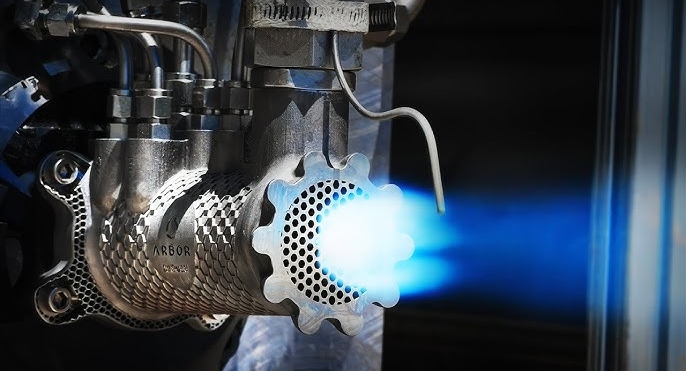
    Here’s how it works: Arbor converts waste biomass into syngas using a custom-built gasifier.

    Off-the-shelf models, apparently, weren’t up to Hartwig’s lofty standards.

    So naturally, they built one using inspiration from rocket turbomachinery—because nothing screams eco-friendly like SpaceX-level combustion.

    In this glorified eco-furnace, CO₂ is subjected to enormous pressure to help break down biomass, releasing hydrogen and carbon monoxide.

    That syngas is then blasted with pure oxygen to produce—you guessed it—more CO₂, water vapor, and a whole lot of heat.

    Thankfully, the machine is designed so it doesn’t melt under its own ambition.

    The resulting hot gas spins turbomachinery to generate electricity, while nearly all the CO₂ is captured and shipped off to the subterranean carbon graveyard via pipeline.

    The company boasts a 99% CO₂ capture rate—an eyebrow-raising figure considering the spotty track record of most carbon capture ventures.

    But Frontier, which previously inked a pre-purchase deal with Arbor, seems sold on the idea.

    Even Bebbington acknowledges that not all biomass is created equal.

    Some decomposes in the field, others have to be hauled cross-country, and all must meet “sustainable biomass principles”—whatever that currently means in Silicon Valley sustainability bingo.

    Frontier estimates up to five gigatons of waste biomass exist globally each year, though only a fraction meets their standards.

    Still, even if just one gigaton is usable, it opens up “a lot of potential,” Bebbington claims, especially for BiCRS and its more bureaucratic cousin BECCS (bioenergy with carbon capture and storage).

    But make no mistake, Arbor’s system isn’t a one-trick pony.

    Hartwig admits it could burn any hydrocarbon, including fossil fuels.

    Fuel flexibility, as he calls it, means this “green” solution is one short supply chain hiccup away from quietly morphing into just another gas plant.

    Still, Hartwig insists the vision remains noble.

    “We would like BECCS to be a major player for data centers, industrial electrification, grid resilience,” he said.

    “And if any new fossil assets are built, we’d like those to all be zero emission as well.”

    Translation: if tech’s insatiable need for data keeps melting the polar ice caps, Arbor will be there to patch things up—with a space-age incinerator and a healthy dose of carbon burial.

    After all, what better way to save the planet than to power up AI with trees, torch them in a steel drum, and call it climate action?