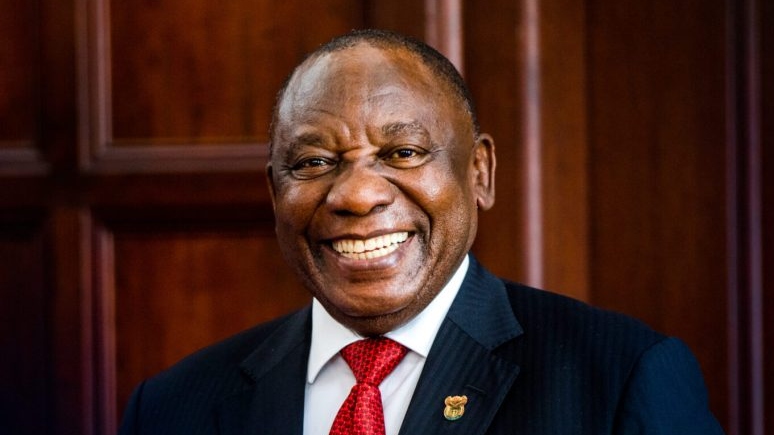

In a decisive pivot toward safeguarding economic stability and global influence, South African President Cyril Ramaphosa has reaffirmed the nation’s commitment to strengthening ties with the United States — South Africa’s second-largest trading partner after China.
This recalibration comes in the wake of heightened diplomatic tensions following the expulsion of South Africa’s ambassador to Washington, Ebrahim Rasool. U.S. Secretary of State Marco Rubio declared Rasool “persona non grata” after citing comments made during an online seminar, where Rasool characterized the ‘Make America Great Again’ movement as a “white supremacist response to growing demographic diversity in the United States.”
While political friction escalated, Ramaphosa strategically underscored South Africa’s imperative to stabilize and enhance its U.S. relationship.
The U.S. remains a critical economic pillar for South Africa, a country that exported over $15 billion worth of goods to the American market in 2024, spanning precious metals, automotive manufacturing, and agricultural commodities.
“The United States is a vital economic partner,” stated Ramaphosa. “We will act decisively to ensure our bilateral relations remain on solid ground — this is not only a diplomatic necessity but an economic imperative.”
For high-net-worth investors and corporate leaders, this shift signals a window of opportunity:
- Trade Resilience and Expansion: South Africa’s intention to dispatch high-level business envoys to Washington aims to mitigate economic fallout and ensure uninterrupted access to American markets. Investors with exposure to South African exports — particularly platinum group metals, energy, and high-end agricultural products — should monitor diplomatic developments for potential tariff relaxations or new trade incentives.
- Positioning South Africa as a Gateway to Africa: With South Africa presiding over the G20 this year, Ramaphosa’s diplomatic recalibration could solidify the nation’s role as a strategic gateway for U.S. businesses seeking access to the broader African market. This presents a compelling narrative for multinationals and private equity firms eyeing Africa’s $3.4 trillion African Continental Free Trade Area (AfCFTA).
- Geopolitical Diversification for Global Portfolios: Given escalating tensions between the U.S. and China, South Africa’s dual alignment with both economic superpowers positions it uniquely for investors seeking diversified exposure to emerging markets. Ramaphosa’s renewed engagement with Washington may unlock bilateral investment flows and create avenues for infrastructure, tech, and renewable energy partnerships.
- Soft Power and Corporate Diplomacy: Ramaphosa’s directive to mobilize South African business leaders as diplomatic envoys is a clear acknowledgment of the private sector’s influence in shaping international relations. This presents a strategic entry point for influential investors and corporations to engage directly in reshaping U.S.-South Africa economic ties.
In the face of growing geopolitical volatility — from the Israel-Gaza conflict to G20 realignments — South Africa’s proactive stance signals more than diplomatic repair.
For discerning investors and global businesses, this evolving dynamic holds the potential for market access recalibrations, trade route stability, and influential positioning within Africa’s fast-growing economy.
Ramaphosa’s message is clear: South Africa will leverage economic pragmatism and high-level diplomacy to secure its role as a pivotal player in global markets.
The question now is whether investors and business leaders will move swiftly enough to capitalize on the unfolding opportunities.