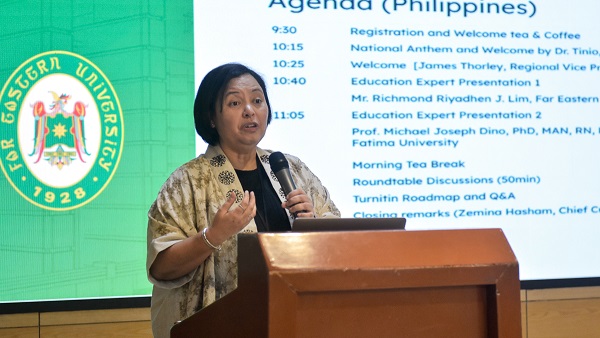
Far Eastern University (FEU) and Turnitin have joined forces to address the complexities of artificial intelligence (AI) in education.
An exclusive forum was convened to discuss how AI can be leveraged to enhance teaching methodologies and learning outcomes.
Richmond Riyadhen Lim, FEU’s Education Technology Coordinator, emphasized that AI is not a replacement for educators but a tool to unlock students’ potential.
He stated, “We should be the pioneers of change, reshaping and rethinking education.”
The event brought together academic leaders and faculty members to explore best practices in AI integration within educational frameworks.
FEU recently released guidelines outlining the responsible use of AI for both faculty and students.
While AI can assist in academic writing, participants agreed that developing independent writing skills remains essential.
Turnitin’s Similarity Report feature aids educators by detecting academic misconduct and providing constructive feedback.
The forum also highlighted the need for continuous evaluation and personalized instruction from educators.
In the Philippines, teachers face heavy administrative burdens that detract from their teaching responsibilities.
AI adoption can alleviate some of this workload, allowing educators to focus more on student engagement.
However, FEU cautioned against neglecting authentic assessment, which requires a deep understanding of students’ abilities.
As discussions about AI’s ethical use continue, FEU is committed to fostering innovation alongside academic integrity.
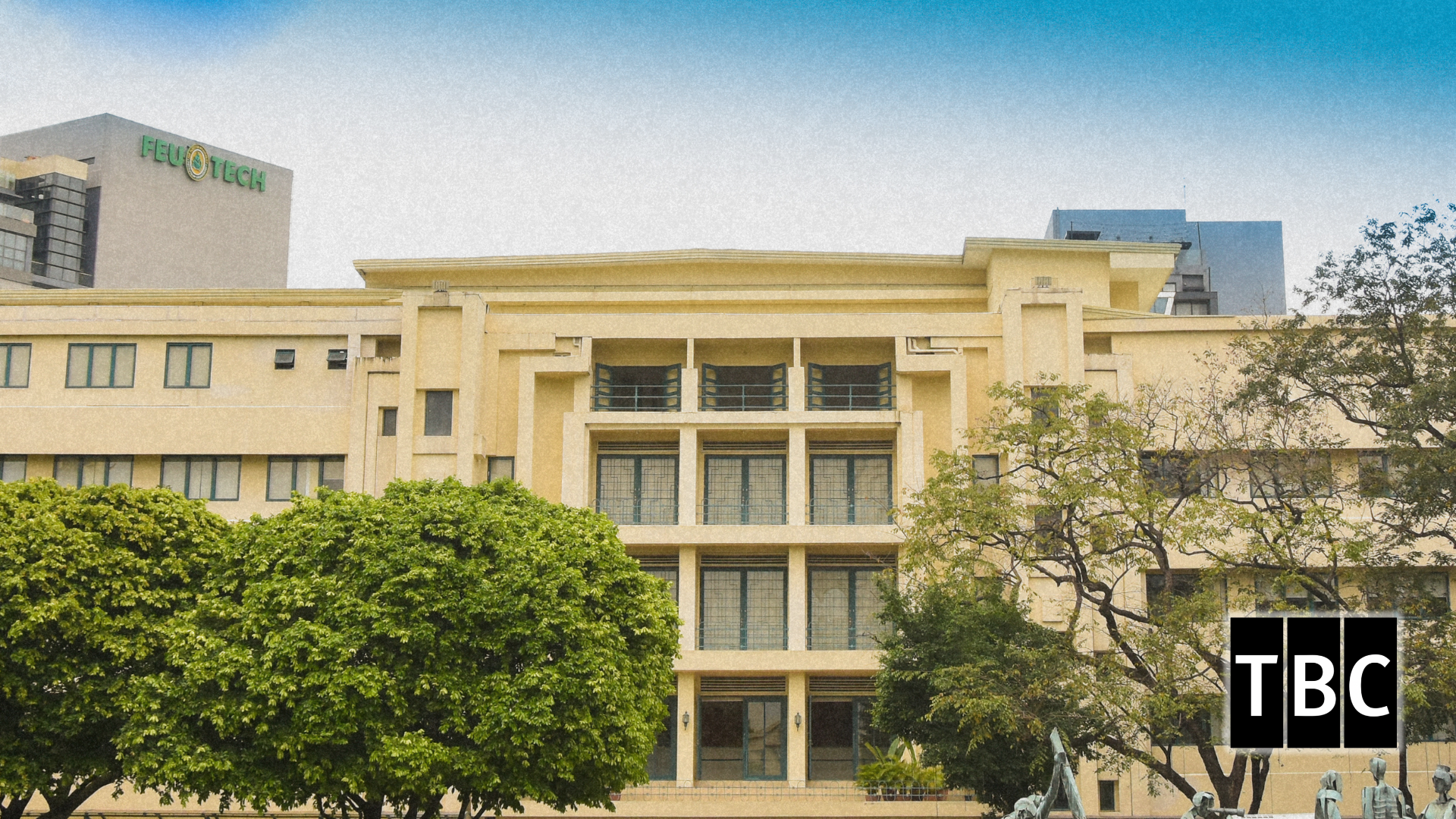
Home to the largest ensemble of Art Deco buildings in the country, Far Eastern University (FEU) in Manila reiterates its longstanding advocacy toward the preservation of Filipino cultural heritage with the meticulous restoration of its Administration Building.
The 75-year-old structure is an Art Deco masterpiece designed by Filipino architect and National Artist Pablo Antonio Sr.
It is one of six FEU buildings named National Cultural Treasure by the National Commission for Culture and the Arts through Museum Declaration-1-2018. It is also one of the buildings granted the United Nations Educational, Scientific, and Cultural Organization Asia-Pacific Honorable Mention Heritage Award in 2005.
This status, which showcases world-class Filipino structural and artistic designs, motivated the restoration.
“We restored the wallpaper and conducted tile restoration on the ground floor. While doing this, we made sure to retain the integrity of the original design to preserve the building’s status as an important heritage site not just in FEU but also in the entire country,” said Nida B. Bulanhagui, manager of Facilities and Technical Services Civil Engineering and Architectural Design Department (FTS CEADD).
Bulanhagui described the painstaking process of restoring the marble tiles in the main building, where each tile was carefully dismantled, numbered, and handled to maintain its original arrangement and value. The tiles were cleaned to preserve their colors and designs before being reinstalled in their original positions.
The university allotted P1.2 million for the restoration project. Essential in the process was the jet grouting of the Administration Building to maintain the structural integrity of the heritage structure.
Aside from Italian sculptor Francesco Ricardo Monti’s “bas reliefs” depicting the various Philippine historical eras, the Administration Building also houses the country’s largest Art Deco mural, Antonio Dumlao’s “Sarimanok Triptych” in crushed glass and resin, and some Fernando Amorsolo paintings, all of which carry an important parcel of Filipino memory.
It is also the venue of the FEU Auditorium, which served as the first Cultural Center of the Philippines during the post-war years and now continues to serve as a venue for culture and the arts, thus enriching the students’ university experience.
A legacy of culture and art preservation
Continuing the legacy of the university as a champion of heritage site preservation and protection, the FTS CEADD is also expecting the restoration of the Science Building and the Architecture and Fine Arts Building this year. In 2025, Nicanor Reyes Sr. Hall is scheduled for jet grouting.
“Expect more renovations and building projects in our campus in the following years. We want to give our students state-of-the-art experience in our campus while maintaining our promise in preserving important heritage sites,” said Bulanhagui.
Aside from the restoration projects, FEU also hosts symposiums on cultural preservation and innovation. Recently, FEU’s Institute of Architecture and Fine Arts held ArtX, “Konsepto: Innovations of Filipino Arts, Fashion and Architecture.”
The symposium featured respected architects and an owner of a design and construction firm, who are pioneers in the field of local arts, fashion, and architecture.
“The greenest building is the one that is already built. That was a quote by Carl Elefante that captured my attention. As an architect, who happens to have a passion toward arts and history, restoration of heritage buildings is my way of preserving our rich culture and history,” said Gerard Lico, principal architect of ARC Lico and a professor of architecture, during the symposium,
FEU Manila is open for free art appreciation tours to anyone interested to personally experience the richness of Filipino cultural heritage and memory within the campus. These tours are available on Wednesdays, by appointment. To book a slot, you may sign up at https://bit.ly/FEUCampusTours.