Tag: Google Pixel

  • What You Need to Know: Pixel 10 Is Google’s Best Shot Yet at Converting iPhone Users

    What You Need to Know: Pixel 10 Is Google’s Best Shot Yet at Converting iPhone Users

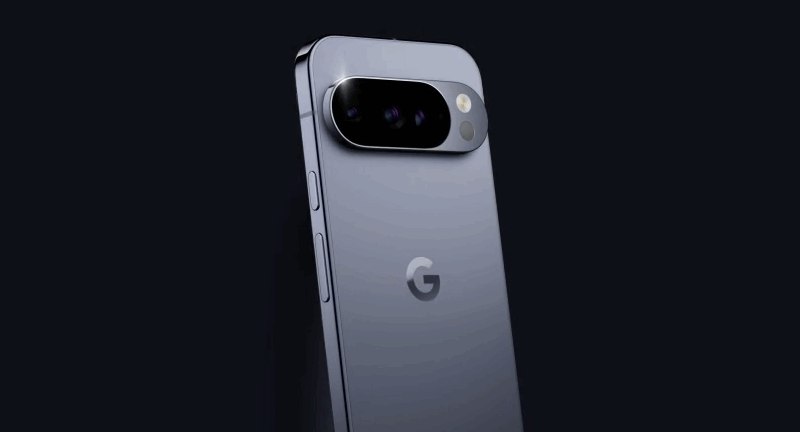
    Close-up of the rear view of a Google Pixel 10 smartphone showcasing its camera design and logo against a dark background.

    Google is going all-in on Apple’s loyal base — and this time, it just might work.

    1. Pixel 10 could finally match what iPhone users want — and more.
    With a triple camera on the base model, native Qi2 magnetic charging, and deeper AI integration, the Pixel 10 isn’t just catching up. It’s aiming to exceed iPhone features that users have grown used to — and frustrated with.

    2. The Pixel ecosystem is now complete and cohesive.
    Google’s ecosystem of Pixel Buds, Pixel Watch, and an upcoming accessory line called “Pixelsnap” signals a full suite of tightly integrated products. For Apple fans worried about giving up a seamless experience, Google now has a convincing alternative.

    3. Google’s AI works today. Apple’s still says ‘coming soon.’
    While Apple Intelligence won’t arrive in full until 2026, Google’s AI tools like Call Screen, Hold for Me, and Smart Voice Typing already work — on-device, fast, and reliably. This puts Google ahead in the race for useful AI, not just flashy demos.

    4. Qi2 magnetic charging is a game-changer.
    Qi2 support — expected across the Pixel 10 series — finally brings MagSafe-style convenience to Android. For users locked into Apple’s accessory ecosystem, this eliminates a major barrier to switching.

    5. Pixel phones still lead in Android updates.
    Google’s Pixel line continues to get Android updates and features ahead of competitors. That reliability helps match iOS’s reputation for timely support, one of the reasons iPhone users stay put.

    6. The ad campaign directly calls out Apple’s delays.
    Google’s latest ads hint at Apple without naming it, urging users tired of “coming soon” features to make the switch. It’s a confident swipe aimed directly at Apple’s slow rollout of promised features.

    7. Pixel now appeals to the same values iPhone users care about.
    Comfort, stability, and polish — the traits that kept iPhone users loyal — are now front and center in Google’s pitch. With cleaner software and smarter user-facing features, the Pixel experience is built on the same values.

    8. No lock-in means a more honest ecosystem.
    Unlike Apple’s walled garden, Pixel offers users freedom to leave — without losing functionality. That transparency makes Google’s approach feel more user-first, not profit-first.

    9. Longtime Android fans already made the switch — now it’s Apple’s turn.
    Before targeting iPhone users, Google focused on refining its Pixel line for Android purists. That effort paid off. Now, those same improvements are being used to tempt users across the aisle.

    10. For frustrated iPhone users, this might be the right moment.
    With Apple’s AI features still months or years away, and hardware stagnation creeping in, the Pixel 10’s smarter design, better camera setup, and expanded features offer a compelling alternative — especially for those who feel stuck in the iOS world.

    Bottom line:
    Pixel 10 isn’t just another Android flagship — it’s Google’s most aggressive move yet to court iPhone loyalists. And this time, with AI that works, an open ecosystem, and premium features in every model, the timing might finally be right.

  • This is a foldable phone done right | Buzz Capital – Your Daily News Portal

    This is a foldable phone done right | Buzz Capital – Your Daily News Portal

    What’s a Pixel phone?

    Prior to the Pixel, Google has collaborated with various smartphone makers to develop the Nexus line of phones. Google began producing the Pixel phone in October 2016 with the release of the first-generation Pixel and Pixel XL.

    What makes it different?

    The goal of the Pixel project was to develop a premium, truly outstanding phone with a no-compromise camera and the stock Android experience that so many people have been longing for. The Pixel 7 is the most recent iteration of Pixel phones that Google has introduced since that time.

    What’s new?

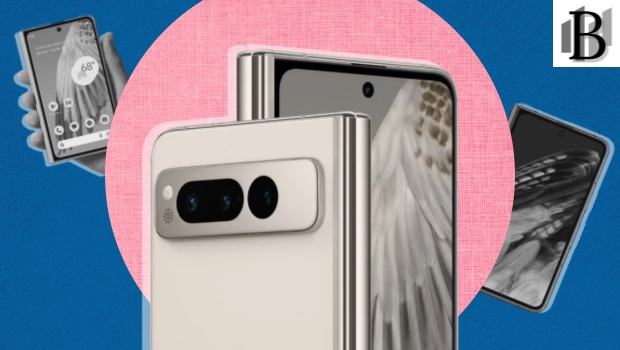
    With Google’s new foldable phone, customers will have even more options for using their gadget. It combines the usefulness of the Pixel with a design that unfolds into a small tablet. The Google Tensor G2 chip, which also gives Pixel Fold its speed and security, powers everything.

    “One of our guiding concepts for these launches was to enable people to do more with less,” says Ivy Ross, head of Google hardware design. “Technology shouldn’t be single-use, we wanted these devices to be multifunctional.”

    A group of Google employees has spent years perfecting the appearance, functionality, and feel of these newest products. Ross is a member of that team, along with Claude Zellweger, who oversees industrial design for mobile, and Isabelle Olsson, who oversees color, materials, and finish (CMF) for the entire array of Google devices.

    How does it work?

    Google didn’t skimp on form or function while creating this foldable design. Numerous Pixel parts, including the camera, battery, speakers, and haptics technology, were deftly modified to match the slim design.

    Their specially designed hinge, which also serves as the industry’s most resilient hinge, helps to achieve that thinness. Last but not least, the Pixel Fold boasts a water resistant grade of IPX8.

    Whether it’s open or closed, the Pixel Fold’s screens unlock endless ways of having fun and getting things done. When closed, the exterior screen lets you do all the usual tasks you’d expect from a Pixel phone — like responding to Messages, browsing Chrome or using our suite of Call Assist features, like Direct My Call, Call Screen, Hold for Me and Clear Calling.

    When fully open, the interior screen gives you all the benefits of a tablet. Many of your favorite apps are optimized to take full advantage of the larger screen. Immerse yourself by watching shows, reading a book, and playing games, or enjoy having space to get more things done.

    Use the Taskbar to easily switch between your apps or drag a compatible app into splitscreen mode to multitask with two apps side-by-side. When in splitscreen, you can easily drag and drop files across different apps, like Google Photos to Messages and Slides. Since the Taskbar is dynamic, it will disappear when you’re done using it so it doesn’t take up screen space.

    How much does it cost?

    Google Pixel Fold (256GB) : $1,799 (PHP 101,949)

    Google Pixel Fold (512GB) : $1919 (PHP 108,749)