Tag: ICC

  • ICC Systems Breached Again – Maybe Try Not Saving Everything in ‘Important_Files.zip’

    ICC Systems Breached Again – Maybe Try Not Saving Everything in ‘Important_Files.zip’

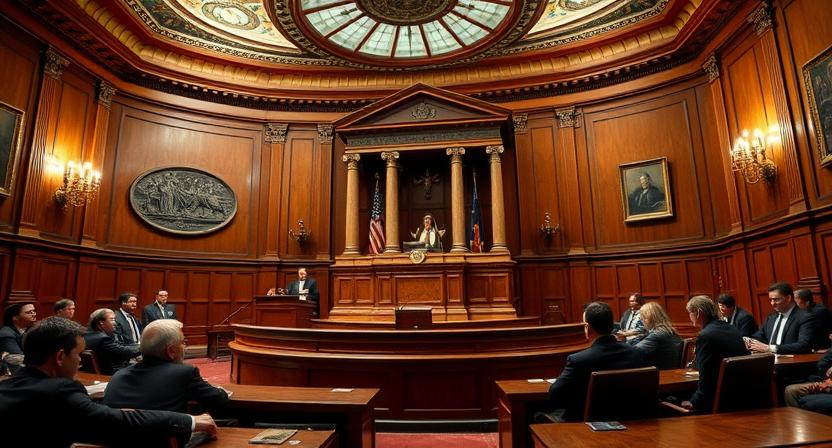
    The International Criminal Court confirmed a targeted cyberattack on its systems last week, calling it a “sophisticated” incident while offering no real details.

    The Hague-based court claims its response systems immediately detected and contained the breach, though it remains unclear what data may have been compromised.

    A court-wide impact assessment is underway, with mitigation efforts already in motion, as officials scramble to keep their crumbling digital fortress from collapsing.

    This marks the second major breach in two years, following a 2023 attack attributed to espionage, which forced the ICC to sever its internet connection like it was 1999.

    The latest cyber strike conveniently coincided with a NATO summit in The Hague and ongoing ICC proceedings against global political heavyweights including Vladimir Putin, Benjamin Netanyahu, and Hamas leader Ibrahim Al-Masri.

    Tensions had already escalated in June when U.S. Secretary of State Marco Rubio imposed sanctions on four ICC judges over investigations into American actions in Afghanistan and war crimes allegations against Netanyahu.

    The ICC continues to play defense both in court and in cyberspace, as global powers appear increasingly allergic to accountability.

  • 5 ICC Decisions Gone Wrong 

    5 ICC Decisions Gone Wrong 

    The International Criminal Court (ICC) is meant to stand as a pillar of global justice — but sometimes, its rulings spark more outrage than resolution.

    From shocking acquittals to fumbled prosecutions, here are five pivotal moments when the ICC’s decisions left the world stunned and questioning its authority.


    1. The Acquittal of Laurent Gbagbo (2019)

    The former President of Côte d’Ivoire faced charges of crimes against humanity after a brutal post-election conflict left over 3,000 dead.

    Despite mountains of evidence and witness testimonies, the ICC ruled there wasn’t enough proof to convict him. The decision felt like a gut punch to victims’ families, who saw years of suffering brushed aside. Many blasted the ruling as a glaring failure of international prosecution.


    2. Uhuru Kenyatta Walks Free (2014)

    Kenyan President Uhuru Kenyatta was accused of orchestrating post-election violence that killed over 1,200 people and displaced more than 600,000. But the case unraveled when key witnesses withdrew or mysteriously vanished — some reportedly under threats.

    The ICC dropped the charges, leaving survivors without justice and fueling accusations that the court buckled under political pressure. Critics called it a humiliating loss for the ICC’s credibility.


    3. Bosco Ntaganda’s Late Conviction (2019)

    Dubbed “The Terminator” for his reign of terror in the Democratic Republic of Congo, Ntaganda was behind massacres, child soldier recruitment, and unspeakable acts of sexual violence.

    His conviction on 18 counts of war crimes and crimes against humanity came — but only after he operated unchecked for over a decade. By the time the ICC finally secured a guilty verdict, it felt more like a hollow victory than a triumph of justice.


    4. The Failed Arrest Warrant for Omar al-Bashir (2009)

    Sudanese President Omar al-Bashir was accused of orchestrating genocide, war crimes, and crimes against humanity in Darfur. The ICC boldly issued an arrest warrant — but it might as well have been a piece of paper.

    Bashir continued traveling abroad, welcomed by nations that ignored the warrant. He ruled Sudan for another decade before being ousted by his own people, leaving the ICC looking powerless and toothless.


    5. Jean-Pierre Bemba’s Overturned Conviction (2018)

    Once hailed as a landmark ruling, Bemba’s conviction for failing to stop his troops from committing mass atrocities in the Central African Republic crumbled on appeal.

    The ICC Appeals Chamber overturned it, arguing the trial chamber hadn’t properly considered his efforts to stop the violence.

    Human rights groups erupted in fury, calling it a devastating blow to the fight against wartime sexual violence — and a signal that commanders could dodge accountability with just enough plausible deniability.


    The ICC stands as a symbol of international justice — but these cases show that even the world’s top court isn’t immune to failure. Each misstep fuels debates about its power, fairness, and future.

    Do these moments prove the ICC is flawed beyond repair, or are they just growing pains on the road to a better system? The world is still watching.

  • 5 Bold Moves Duterte Could Use to Dodge the ICC’s Grip

    5 Bold Moves Duterte Could Use to Dodge the ICC’s Grip

    Former Philippine President Rodrigo Duterte is facing mounting pressure from the International Criminal Court (ICC) over his controversial war on drugs.

    As the case heats up, here’s a breakdown of five potential strategies he might use to defend himself and avoid prosecution.


    1. Challenging ICC’s Jurisdiction

    Duterte has long argued that the ICC has no power over him, especially after the Philippines officially withdrew from the court in 2019. He could double down on this stance, claiming that the court can’t pursue a case against someone from a non-member state — despite the ICC asserting it retains jurisdiction over crimes committed while the country was still a member.


    2. Invoking State Sovereignty

    Duterte might frame the ICC’s investigation as an attack on Philippine sovereignty. He’s previously called it foreign interference, and he may push the narrative that the country’s judicial system is capable of handling any allegations internally — even though critics argue the local justice system hasn’t pursued meaningful cases connected to the drug war.


    3. Leveraging Public Support and Political Alliances

    With a loyal base and powerful allies, Duterte could rally public sentiment to paint himself as a victim of international bias. He may also lean on allies in government — including those connected to his daughter, Vice President Sara Duterte — to create political roadblocks that delay or complicate ICC cooperation.


    4. Health or Humanitarian Defense

    If legal avenues tighten, Duterte might shift to a more personal defense, citing age, health issues, or humanitarian grounds to argue he’s unfit for trial. This approach has worked for other global figures facing international cases, though the ICC would likely scrutinize such claims carefully.


    5. Defiant Non-Cooperation

    Duterte may stick to his tried-and-true strategy: outright defiance. He’s previously dared authorities to arrest him and could refuse any involvement with the ICC altogether. Without cooperation, however, the court could still proceed — potentially issuing a warrant that would make international travel risky for him.


    The ICC case against Duterte is unprecedented in the Philippines, and his response could shape the country’s political and legal landscape for years to come. Will he fight it head-on or double down on his defiant stance? One thing’s certain — this battle is far from over.