
The digital economy in the Philippines is on an aggressive growth trajectory, projected to reach $35 billion by 2025. Yet, many businesses struggle with modernization due to entrenched legacy systems and a shortage of skilled personnel.
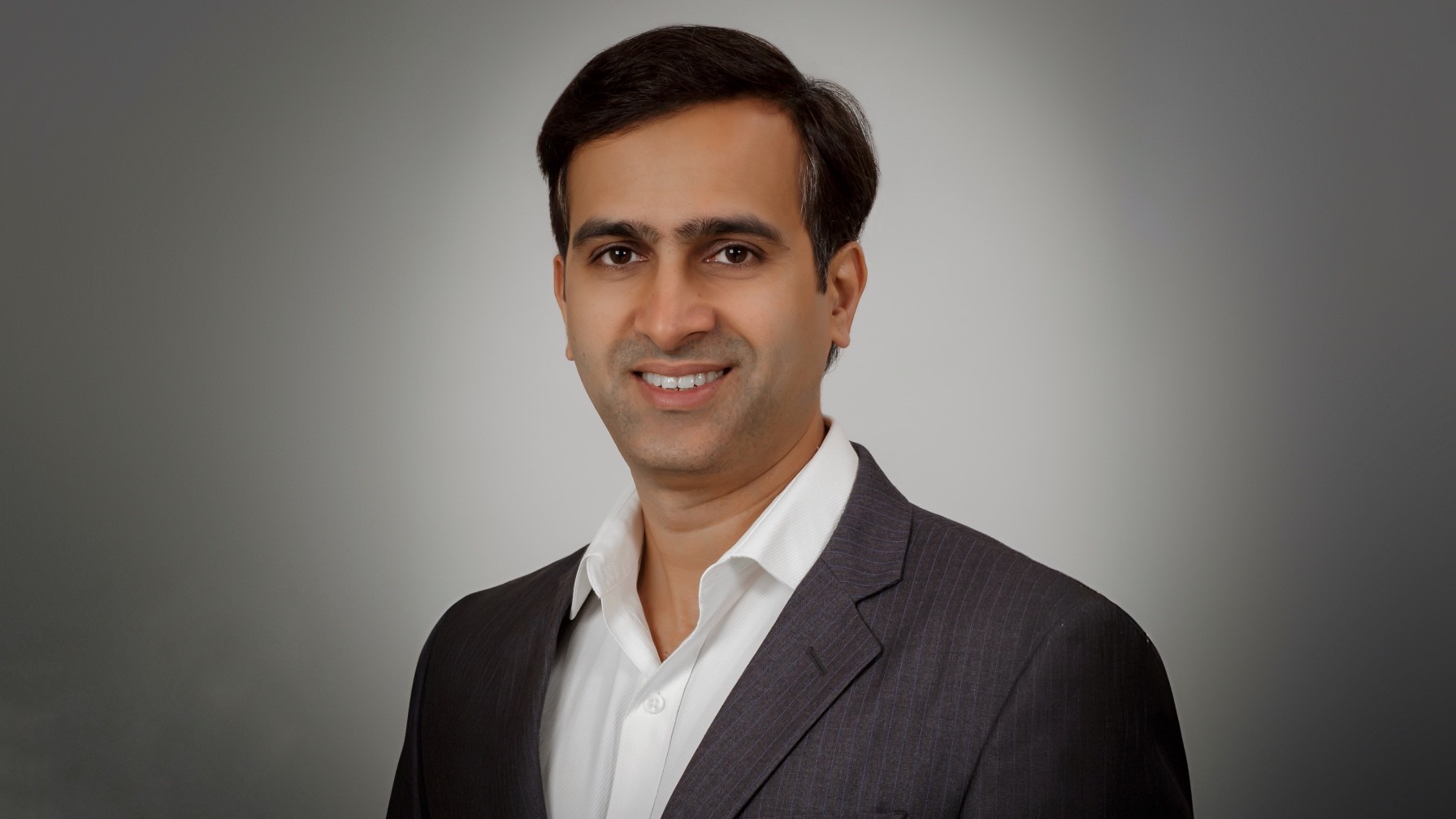
Praveen Kumar, Vice President for Asia Pacific at Rocket Software, underscores the pitfalls of conventional modernization methods and how his company provides a more seamless alternative.
“The historical method of modernization used to involve rewriting the entire application on a distributed platform. This often resulted in resource wastage as the business logic built in the applications over years of learning failed to transfer effectively,” Kumar explains.
The result? Critical applications that failed to scale, massive write-offs on modernization expenditures, and businesses stuck with outdated legacy platforms.
Rocket Software takes a different approach—one that prioritizes modernization without disruption. “While businesses can choose to move off the legacy platforms, they can also take a hybrid approach or replatform where needed,” he says.
The hybrid model allows enterprises to leverage both cloud and on-premise infrastructure, extracting value from each as it makes sense. With replatforming, companies can modernize in place and transition workloads to a distributed environment without the high risk of a full rewrite.
Beyond technical challenges, the Philippines faces a skills gap that further complicates modernization. Kumar acknowledges this issue: “Rocket Software’s solutions ease this challenge by reducing the need for extensive legacy skills, streamlining integration with modern applications so that companies can focus expertise on innovation and growth.”
By addressing both infrastructure and human capital challenges, Rocket Software enables businesses to modernize effectively.
Modernization success is not just about adopting new technology—it requires alignment with long-term business goals. Kumar defines successful IT modernization as “a strategic alignment with long-term business goals, prioritizing IT resiliency, enhanced user experiences, and improved data access.”
He emphasizes that understanding both business and technical drivers is essential before embarking on any modernization initiative.
Kumar highlights two key strategies for improving efficiency: “Improving development tooling and DevOps processes enabled with automation and AI can assist with lost subject matter expertise, improve quality, and result in faster time to market. Integrating existing applications with and leveraging new innovation can deliver significant improvements to optimize operations.”
These approaches drive operational efficiency and enhance customer satisfaction, ensuring businesses remain competitive in the digital economy.
The Philippine market presents unique challenges, particularly a talent gap in legacy programming languages such as COBOL. Strategic partnerships become crucial to overcoming these obstacles. “Globally, and in the context of the Philippines, skills have been a challenge for most businesses running legacy software,” Kumar notes.
He points out that legacy systems remain critical for serving diverse customer segments, making full replacement impractical. Instead, Rocket Software simplifies integration with modern applications, reducing the reliance on specialized legacy skills while still maintaining operational stability.
Cloud migration is often viewed as a silver bullet for modernization, but Kumar cautions against a hasty approach. Citing a Forrester study, he notes that over half of businesses faced challenges during cloud migrations, often due to costly application rewrites.
“When the enterprise rewrites or moves its applications to the cloud, the entire business process and business logic that was built into the application doesn’t move,” he explains. This can lead to downtime, loss of functionality, and customer dissatisfaction—often forcing enterprises to revert to their legacy systems.
Rocket Software offers an alternative: “We meet customers wherever they are on their modernization journey by understanding the business and technical drivers to determine the correct approach to modernization, which oftentimes results in a hybrid cloud solution.”
This approach ensures companies can gradually transition to the cloud while maintaining essential legacy systems, reducing the risks of downtime and disruption.
Regulated industries such as finance and healthcare face additional hurdles due to compliance requirements. Rocket Software integrates security into its solutions, ensuring businesses meet regulatory standards without compromising modernization efforts.
“We are possibly one of the very few solution providers in the industry who do vulnerability assessments on the mainframe,” Kumar says. Regular penetration testing and proactive risk assessments help businesses maintain compliance and safeguard data integrity throughout their IT transitions.
Despite misconceptions, mainframes remain a cornerstone of enterprise IT, particularly in industries that require high-volume data processing. “Over 70% of data from Fortune 500 companies is still stored on mainframes, so mainframes will continue to be a cornerstone of enterprise IT strategies,” Kumar states.
He acknowledges that integrating legacy systems with modern cloud technologies is a persistent challenge but emphasizes that Rocket Software’s solutions make this process significantly easier.
For example, he points to a major insurance provider in the region that struggled with issuing policies through aggregator platforms. Previously, policy issuance took 10-15 minutes, frustrating customers and increasing call center inquiries.
“With the Rocket solution, insurance policies are now issued in less than 15 seconds,” Kumar reveals. By eliminating cumbersome backend processes and enabling direct interfaces, Rocket Software transformed the insurer’s operational efficiency, reducing friction and unlocking new revenue opportunities.
Concerns about disruptions during modernization are valid, but Kumar emphasizes that Rocket Software’s phased approach minimizes risk. “Most of our global deployments are in the financial industry, and because our approach doesn’t require a major code rewrite, businesses can maintain their existing application usage and deployment strategies,” he explains. A gradual transition ensures continuity while giving enterprises flexibility to migrate at their own pace.
GenAI is also playing a pivotal role in modernization, enabling seamless integration between legacy systems and hybrid cloud environments. Kumar highlights Rocket Software’s AI-driven tools: “Our expanded solutions and upgraded products such as Rocket® Content Smart Chat allow customers to secure conversational AI interface for sensitive document access and querying, streamlining unstructured data classification, while ensuring regulatory compliance.”
Other AI-driven solutions simplify code analysis, accelerate application modernization, and reduce the learning curve for developers working with legacy languages like COBOL.
One of the biggest misconceptions about modernization, Kumar says, is the belief that legacy systems must be completely replaced. “Most business leaders view legacy solutions as a taboo. However, globally, many large organizations operate successfully on these legacy platforms,” he notes.
The challenges companies face—whether in integration, time-to-market, or skills shortages—are not due to legacy technology itself but rather a lack of strategic modernization approaches.
Rocket Software’s solutions minimize these pain points by enhancing integration capabilities, reducing skill dependencies, and providing alternative modernization pathways. By debunking myths around legacy technology, Kumar and his team are helping businesses embrace a future-ready IT landscape without unnecessary disruption.
Through a pragmatic, phased approach to modernization, Kumar and Rocket Software are enabling enterprises to bridge the gap between legacy stability and digital agility, ensuring they remain resilient and competitive in an evolving economic landscape.