
At the center of recent tension between China and the Philippines lies a dispute concerning the alleged use of cyanide by Chinese fishermen in the South China Sea. Specifically, the controversy revolves around Scarborough Shoal, a fish-rich atoll that is claimed by both nations.
In February 2024, the Bureau of Fisheries and Aquatic Resources (BFAR), a Philippine agency, accused Chinese fishermen of using cyanide to destroy Scarborough Shoal, commonly referred to as Bajo de Masinloc in the Philippines.
This assertion followed reports from Filipino fishermen and officials claiming that Chinese vessels were attempting to drive away Filipinos from their traditional fishing grounds and deliberately damaging the marine ecosystem.
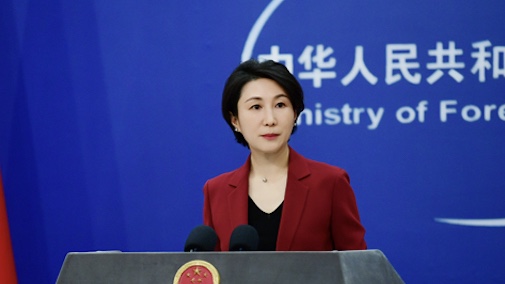
Recently, China’s Foreign Ministry spokesperson Mao Ning dismissed the allegations, calling them sheer fabrication. Despite this denial, the Philippine Coast Guard did not find any concrete evidence supporting the claims of cyanide usage by Chinese fishermen.
“This claim is sheer fabrication. China has indisputable sovereignty over Huangyan Dao and its adjacent waters. The Chinese government attaches great importance to the protection of eco-environment and conservation of fishing resources and resolutely fights against fishing activities that violate laws and regulations,” she said.
Although there have been past incidents involving illegal use of cyanide in some parts of China, particularly along its southern coastline, such as Hainan Island, the practice is strictly prohibited under Chinese law since 1987. The Chinese government has taken measures to combat this issue through enforcement efforts and public awareness campaigns.
The Philippines has long accused neighboring countries like China of employing destructive fishing techniques, including the use of cyanide, which can harm marine life and ecosystems. This issue has led to tensions between the two nations, exacerbating their ongoing territorial disputes in the South China Sea.
As part of global efforts to protect marine resources and promote sustainable fishing practices, several organizations and governments are working on initiatives aimed at reducing or eliminating the use of harmful substances like cyanide.
For instance, the United Nations Food and Agriculture Organization (FAO) has developed guidelines and codes of conduct to prevent the use of cyanide in fishing activities worldwide. Additionally, regional bodies like the Association of Southeast Asian Nations (ASEAN) have adopted policies addressing the problem of destructive fishing practices within their member states.




Leave a Reply