Tag: banking

  • Fintech Provides Filipinos with Glimpse of Innovations in Online Financing and Lending Forum

    Fintech Provides Filipinos with Glimpse of Innovations in Online Financing and Lending Forum

    How is technology beneficial to the finance and lending sector as well as to Filipinos in this day and age?

    That is the question posed and answered by distinguished guests who are top officials in their respective industries in an online forum organized by the Fintech Philippines Association last Wednesday, April 24 over Zoom.

    Attendees from the business and scholastic sector listened to Global Dominion Financing Inc.’s (GDFI) Chief HR Officer Don Matias, South Asialink Finance Corporation’s (SAFC) Digital Process Innovation Head Seve Linis, and PLDT Enterprise’s Corporate Business Head Joyce Abegail “AJ” Villanueva as they discussed the significance of digital innovation that is vital to their respective company’s growth as well as that to the country.

    The growth of the Philippines’ Gross Domestic Product by 5.6% in 2023 also saw the upsurge in various sectors.

    The last quarter spark of 2023 saw financial and insurance activities grow by 11.8%, no doubt driven by the 13.4% expansion of banking institutions. 

    In the midst of all of this was the digital innovation by many companies. 

    Matias divulged that GDFI began 2023 with 719 employees and finished with 1003 while maintaining the attrition rate of 2.84%.

    “In growing a company, it is a must that the employees should grow,” explained Matias. “We provided 100 technical courses regardless of the level. The growth meant 92.3% in terms of internal promotions, and in doing so, saw more than 300 job openings become available to the company.”

    On SAFC’s part, Linis pointed to his company’s never-ending pursuit for digital initiatives that enhance customer services in the digital finance landscape, now delivering results in as little as a few seconds to under a minute.

    Linis also stressed SAFC’s improved asset management interface, an easy access website experience, and online visibility as keys to their growth in this past calendar year.

    During her portion, Villanueva highlighted that the PLDT group provides vital services and solutions that help improve the lives of Filipinos and businesses. This is why the drive to elevate the quality of customer experience is common across the group and its partners. She also emphasized that for PLDT Enterprise, the B2B arm of PLDT, customers are paramount, and the telco group is committed to innovating technologies that drive customer success. 

    All three guests stressed that technological innovation is constant and relevant in their services and that they play a large role in everyday life. 

    The forum, added Fintech host Aian Guanzon, is for attendees to also learn about how financing and lending affects and improves their lives.

    Linis summed up the forum’s significance, “Having discussions and associations like this are a platform to share knowledge and technologies and solutions that address common challenges from compliance, regulation, and fraud among others. And finding what technology works best with your company.”

    The next Financing and Lending forum, according to Guanzon, will be about regulatory compliance.

  • Digital Banks commit to improve PHL’s ‘Financial Health’ program

    Digital Banks commit to improve PHL’s ‘Financial Health’ program

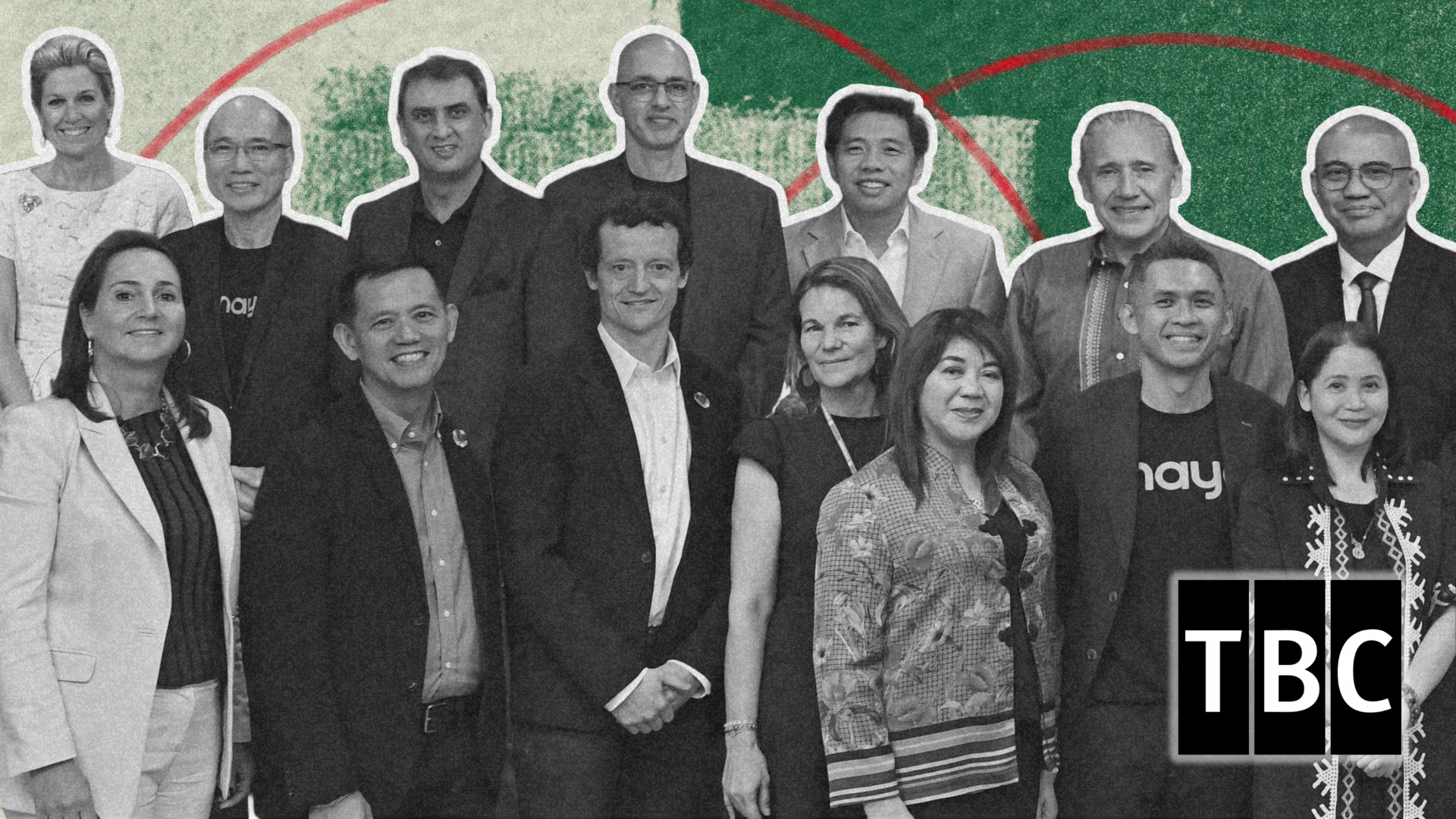
    The Digital Bank Association of the Philippines (DiBA PH) reiterated this commitment during a significant roundtable discussion with H.M. Queen Máxima of the Netherlands, who is the United Nations Secretary-General’s Special Advocate for Inclusive Finance for Development (UNSGSA), and the Bangko Sentral ng Pilipinas (BSP). 

    The roundtable, hosted by DiBA PH and Maya, was organized as part of Queen Máxima’s visit to the Philippines in her UN capacity. It aimed to bring together the six digital banks and the BSP to explore avenues for collaboration in advancing financial health initiatives and metrics. 

    Angelo Madrid, President of DiBA PH and Maya Bank, said: “Millions of Filipinos now own a financial account thanks to e-wallets. The next big challenge is here, and in less than two years of operations, safe and reliable digital banking is proving that we can help Filipinos use their financial accounts to improve their financial health. We are committed to providing better experiences, safety, and privacy through digital technologies.” 

    According to the UNSGSA Financial Health Working Group, financial health refers to the extent to which a person or family can smoothly manage their current financial obligations, has the capacity to absorb financial shocks, is on track to reach future goals, and has confidence in their financial future.

    Madrid further emphasized: “Enhancing the financial health of our customers is intrinsic to digital banking, and we are dedicated to advancing this agenda. In the short term, we support conducting a national survey and developing complementary internal metrics to measure our impact on the financial health of our customers. Beyond that, we continue to deliver groundbreaking innovations that empower Filipinos to make bolder financial choices.” 

    Key leaders from the digital banking industry attended the roundtable, including Madrid, GoTyme Bank President and Co-CEO Nathaniel Clarke, GoTyme Bank Co-CEO Albert Tinio, Overseas Filipino Bank Officer-in-Charge Atty. Reo Andarino, Tonik Digital Bank Vice Chairperson Ma. Lourdes “Long” Pineda, UnionDigital Bank President and CEO Henry Aguda, and UNO Digital Bank President, CEO and Founder Manish Bhai.

    Also present were representatives from UNSGSA Queen Máxima’s Reference Group, including World Bank, Better Than Cash Alliance (BTCA), Alliance for Financial Inclusion (AFI), and Consultative Group to Assist the Poor (CGAP). Co-leading the discussion was Deputy Governor Bernadette Romulo-Puyat of the BSP.  

    DiBA PH’s commitment comes at a time when the Philippines is making great strides towards financial inclusion. According to the BSP’s 2021 Financial Inclusion Survey, the number of adults with a financial account grew from 29% in 2019 to 56% in 2021, thanks to the rising adoption of e-wallets.  

    Despite this progress, the same survey showed that only 4% of adults borrow from banks, and 52% keep their savings at home. Additionally, 41% of Filipino adults said they could not fully meet living expenses and 46% said their current finances would not last through emergencies. 

    In response, digital banks have rolled out innovative services and products that enable Filipinos to form healthier savings habits. Digital bank customers earn higher interest rates on deposits, driving them to save. Users are also motivated to open goals-based deposit accounts that allow them to start small and build their savings over time. 

    The digital banking sector grew its depositor base by 26% at the end of December 2023, compared to a 4% increase in the overall banking system during the same period. 

    Digital banks have also significantly expanded credit access by pioneering alternative credit scoring models and rolling out responsive and responsible credit offerings. Despite infrastructural challenges such as the rollout of the national ID system and a more robust credit bureau, the total loan portfolio increased to nearly Php25 billion from 2022 to 2023. 

  • JG Summit, Tyme Group announce acquisition of PH-based fintech salary lender

    JG Summit, Tyme Group announce acquisition of PH-based fintech salary lender

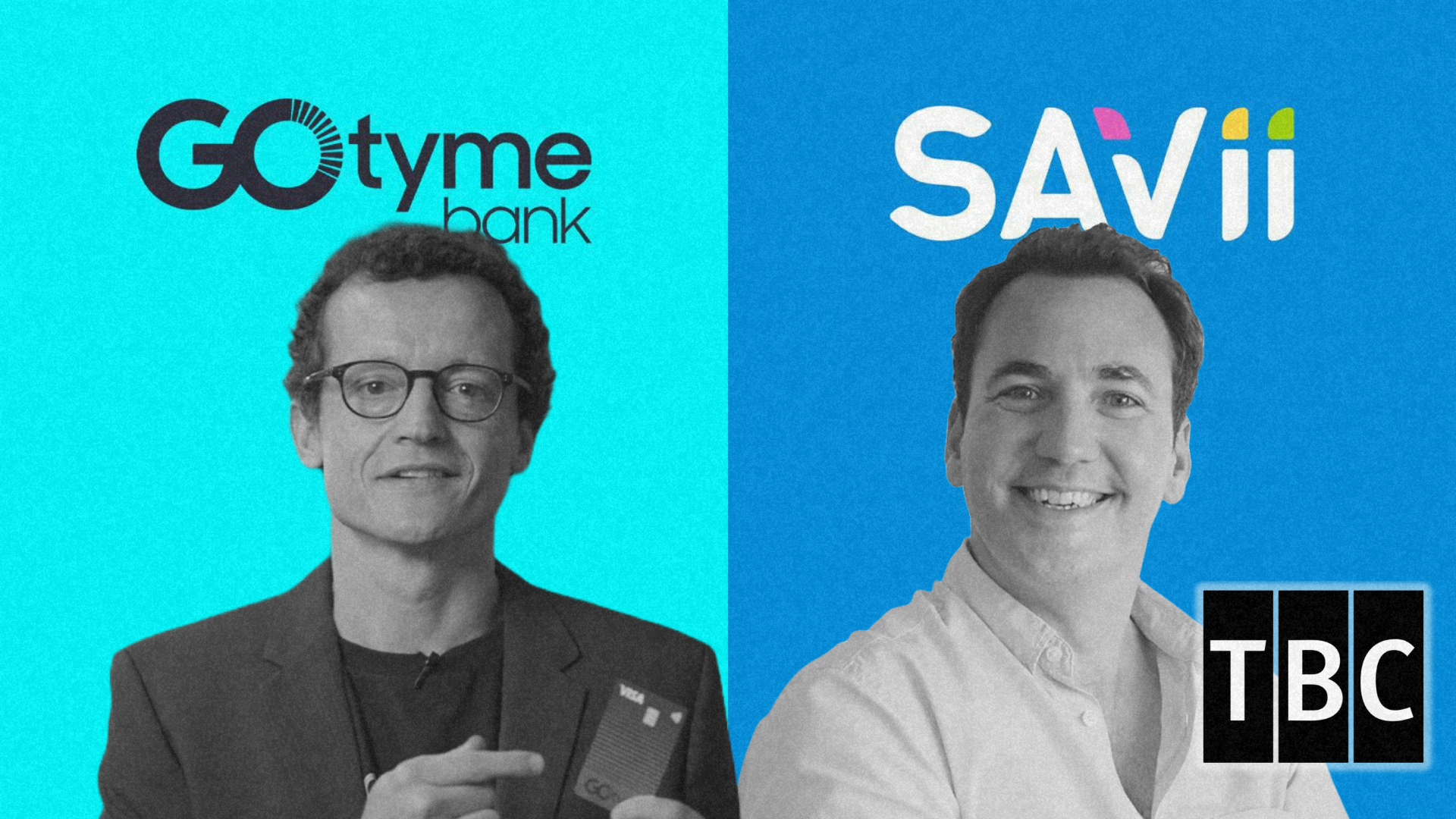
    GoTyme Bank, one of the fastest growing banks in the country, is set to propel the expansion of its payroll-enabled financial products through the recent acquisition of SAVii by GoTyme’s major shareholders. 

    SAVii is the largest fintech salary lender in the Philippines. Founded in 2017 by its CEO Liam Grealish with Benoit Portoleau-Balloy and Javier Frasseto, SAVii (previously known as Uploan) has become the market leader for salary lending with a loan book of over PHP3 billion. Serving more than 500,000 employees across 150 of the biggest Philippine corporations, it was awarded the Top Employee Benefit provider in 2022 and 2023 by HR Tech Magazine

    The acquisition of SAVii by GoTyme Bank shareholders, JG Summit and Tyme Group, will boost GoTyme’s growth trajectory while expediting its path to profitability.  

    Together, GoTyme Bank and SAVii aim to provide Filipino companies with the best payroll-enabled suite of financial products, helping HR leaders unlock their employees’ financial potential with the convenience and security of a bank. 

    By integrating the SAVii credit offering into GoTyme Bank’s lending and payroll proposition, the two are poised to capture a significant market share of the employed population in the Philippines.

    Last month, GoTyme started offering an earned wage access (EWA) feature to employees of select companies – enabling employees to access their pay every day. 

    The expansion of GoTyme Bank’s payroll-enabled financial products is also aligned with the call of the Bangko Sentral ng Pilipinas to expand lending to Filipinos. 

    “This acquisition enables us to drive our strategy of deepening customer relationships by offering payroll and financial products that benefit both employees and their employers,” says Nate Clarke, GoTyme Bank president and CEO, on behalf of the bank’s shareholders.  

    “For us at SAVii, salary is more than just take-home pay—it’s the safest vehicle to financial empowerment. Teaming up with GoTyme Bank was a clear and obvious path in our mission to assist individuals in accessing formal finance. We are excited with the opportunities it opens for our partner companies and their employees.” says Grealish. “SAVii can now offer a more comprehensive banking proposition to its customers.” 

    For its part, GoTyme Bank has always been aware of the persistent challenge of low consumer credit penetration in the Philippines, which has had people turning to informal lenders including some online apps. “This acquisition is a pivotal step toward resolving the longstanding issue of limited access to reliable and affordable credit among Filipino consumers,” says Clarke. 

    Clarke adds, “The partnership with SAVii will open up the simple and beautiful GoTyme banking experience to more companies and their employees.” 

  • Digital banks now outpace traditional financial institutions

    Digital banks now outpace traditional financial institutions

    The digital banking sector in the Philippines has recently reported a remarkable growth of 27% from September to December 2023, significantly higher than the overall banking system’s growth of 4%.

    This surge in growth has elevated the total digital banking depositor base to 5.9 million as of the end of December 2023, according to the Digital Bank Association of the Philippines (DiBA PH).

    Angelo Madrid, President of DiBA PH and President of Maya Bank, stated, “Digital banks are changing the game for financial inclusion in the country beyond access. This kind of growth in such a short amount of time is unprecedented in terms of onboarding the unbanked and underserved.”

    The impressive growth trajectory of the digital banking sector involves the country’s six licensed digital banks: GoTyme Bank, Maya Bank, Overseas Filipino Bank, Tonik Bank, UnionDigital Bank, and UNO Digital Bank. These organizations are the founding members of DiBA PH.

    Since the Bangko Sentral ng Pilipinas (BSP) introduced the digital banking category in 2021, the sector has evolved rapidly, setting the stage for all six banks to go live by 2023.

    Despite their recent entry into the market, these banks have reported a near doubling of deposits from over 35 billion to 69 billion from 2022 to 2023, with gross total loan portfolio increasing from over 11 billion to nearly 25 billion for the same period.

    These milestones were achieved despite considerable infrastructural challenges, including the rollout of the national ID system and limited coverage by the national credit bureau.

    According to the BSP Financial Inclusion Survey for 2021, only 23% of the 56% of the adult population with financial accounts have bank accounts. The number of savers is much less, with 31% of the adults with savings putting their money in banks. Only 4% of adults with loans get their credit from banks.

    Since their introduction, digital banks have transcended infrastructural limitations to significantly boost financial inclusion, offering deposit accounts and credit to populations that traditional banks have typically overlooked.

    Manish Bhai, DiBA Trustee and Founder-CEO at UNO Digital Bank, stated, “This democratization of financial services is a testament to the potential of technology-driven banking solutions to foster economic empowerment and inclusivity.”

    BSP Deputy Governor Chuchi Fonacier added, “The growth of digital banks highlights the sustained shift in consumer demands towards accessible, responsive, and user-friendly financial services. We are pleased with the digital banking sector’s trajectory and its rippling effect towards a larger banking trend of optimizing technology in providing financial services.”

    Looking ahead, the industry’s stability is a priority, as outlined by Long Pineda, Vice President of DiBA PH and Chairperson of Tonik Digital Bank, Inc. “The next three years are pivotal for reinforcing the digital banking sector’s foundations, scaling lending operations, and solidifying confidence among investors and customers alike,” Pineda emphasized, highlighting the sector’s ambition for sustainable growth and broader financial inclusivity.

  • GoTyme Bank’s Success in PH Leads to Buyout of BPI’s Minority Stake

    GoTyme Bank’s Success in PH Leads to Buyout of BPI’s Minority Stake

    In a significant move highlighting GoTyme Bank’s rapid success in the Philippines, major shareholders JG Summit and Tyme have announced the acquisition of Bank of the Philippine Islands’ (BPI) remaining minority shareholding in GoTyme Bank at a premium.

    This transaction follows BPI’s minority stake acquisition in GoTyme Bank post its merger with Robinsons Bank earlier this year. The approval from the board of directors of JG Summit Capital Services Corp. and Tyme Group sets the stage for the buyout, pending regulatory clearance.

    Within just 17 months of its launch, GoTyme Bank has attracted a substantial user base of 3 million customers, positioning itself as a key player in the digital banking sector.

    The bank’s impressive rankings, including being named a top 4 bank in active Visa cards, top 4 bank in active users, third among finance apps, and seventh in Instapay transactions, underscore its rapid growth and market impact.

    With a strong performance trajectory, GoTyme Bank anticipates achieving profitability faster than its sister bank, TymeBank South Africa, renowned for its rapid growth with 8.5 million customers by 2023.

    Nate Clarke, CEO of GoTyme Bank, expressed enthusiasm about the buyout, stating, “The rapid growth we’ve experienced since our launch has garnered increased confidence from our major shareholders. The acquisition of BPI’s remaining minority stake by JG Summit and Tyme Group reinforces our position as a leading bank in the Philippines.”

    This strategic move solidifies JG Summit Group’s role as the primary shareholder of GoTyme Bank, bolstering the bank’s journey towards becoming the premier financial institution in the country.

    Lance Gokongwei, President and CEO of JG Summit Holdings, Inc., commended GoTyme Bank’s exceptional performance since its commercial debut in late 2022.

    He emphasized the bank’s potential to revolutionize the financial services sector in the Philippines and reiterated JG Summit Group’s commitment to supporting GoTyme’s growth alongside Tyme Group.

    As digital banking gains momentum among Filipinos, GoTyme Bank is well-positioned for continued expansion and success. The bank aims to extend its innovative banking solutions to a wider audience across the nation, catering to the evolving needs of customers seeking convenient and personalized financial services.

    The acquisition of BPI’s remaining minority stake by JG Summit and Tyme Group marks a significant milestone for GoTyme Bank, solidifying its position as a key player in the Philippine digital banking landscape. This strategic move not only reflects the confidence of major shareholders but also underscores the bank’s rapid growth and success since its inception.

    GoTyme Bank’s successful buyout of BPI’s minority stake signifies a pivotal moment in its journey towards becoming a leading digital bank in the Philippines.

    With strong shareholder support, impressive user growth, and a commitment to innovation, GoTyme Bank is poised to shape the future of banking in the country and provide customers with cutting-edge financial solutions tailored to their needs.

  • City Savings Bank Recognized as One of the Philippines’ Top Growth Companies

    City Savings Bank Recognized as One of the Philippines’ Top Growth Companies

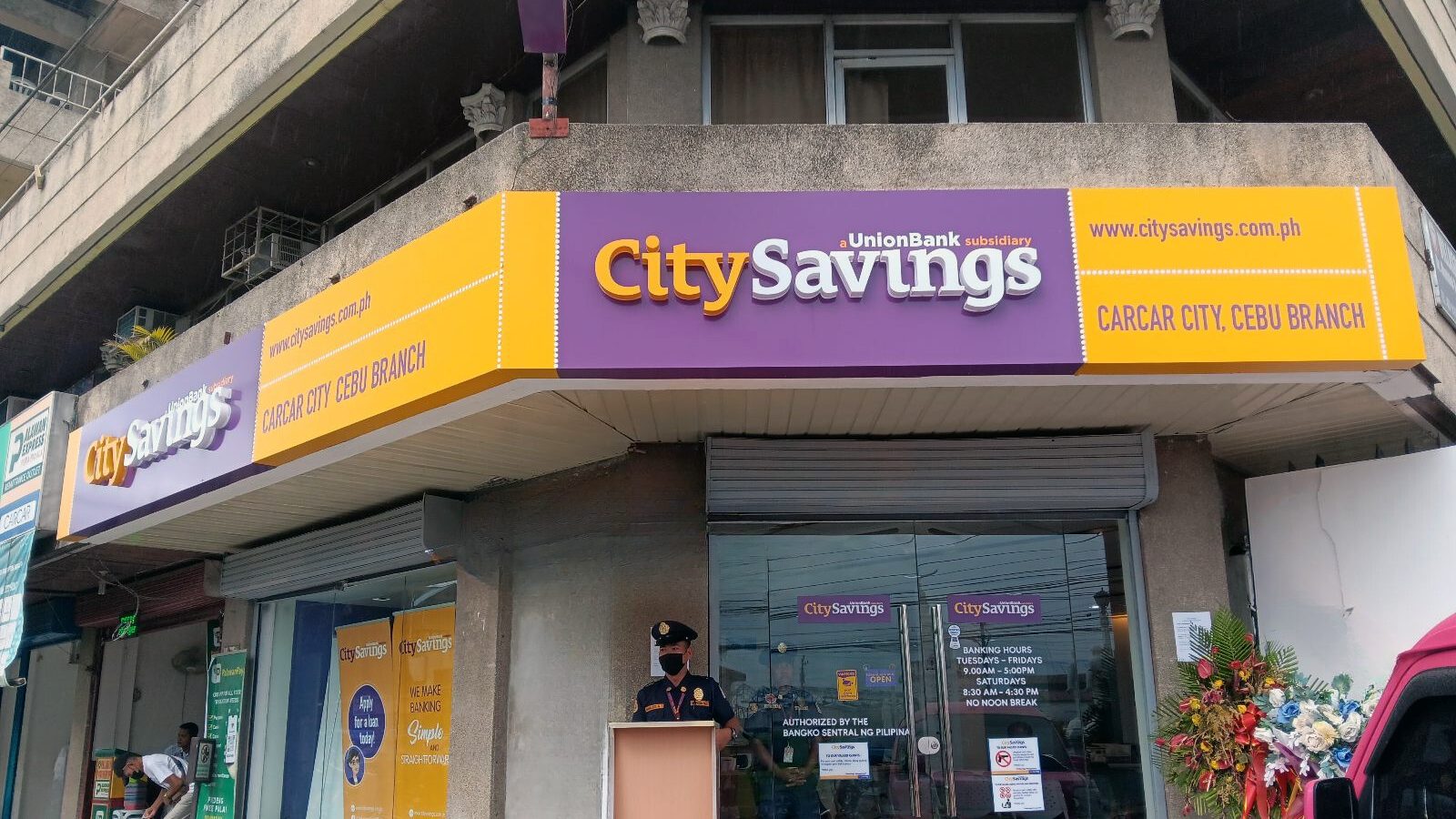
    City Savings Bank (CitySavings) is solidifying its position as the premier mass market bank in the nation by being recognized as one of the 2024 Philippines’ Growth Champions. This prestigious accolade, unveiled by the Philippine Daily Inquirer in collaboration with international market research firm Statista, celebrates companies that have shown exceptional growth and resilience in a challenging business environment.

    Ranked 19th among the top 30 companies across diverse industries, CitySavings, the thrift arm of Union Bank of the Philippines (UnionBank), has demonstrated remarkable revenue growth from 2019 to 2022. This achievement underscores the bank’s proactive dedication to providing swift, convenient services that enhance the banking experience for the mass market.

    CitySavings has embraced digital and mobile technologies to expand its reach beyond traditional banking methods. Innovations like the Messenger chatbot, Talk to Maria, offer round-the-clock inquiry services and streamline loan applications. The CitySavings Mobile app empowers teacher-clients to apply for loans and monitor their application status anytime, anywhere. Additionally, the Bank-on-Wheels (BOW) kiosk, in partnership with UnionBank, brings banking services closer to communities.

    Lorenzo Ocampo, CitySavings’ Chief Executive Officer, commends the bank’s inclusion as a Growth Champion and pledges to grow alongside its clients. He acknowledges the dedication of CitySavings’ team in delivering top-notch service and expresses gratitude to both staff and clients for shaping the bank’s success.

    CitySavings President Manuel Santiago, Jr., emphasizes the company’s service-oriented approach and commitment to leveraging technology for superior customer service. He is confident that their strategic transformation in banking practices will not only meet but surpass the needs of the mass market segment now and in the future.

    The collaboration between The Philippine Daily Inquirer and Statista aims to inspire other Filipino companies to pursue similar growth trajectories, contributing significantly to the country’s economic progress.

  • GoTyme asks users what they want to see in-app

    GoTyme asks users what they want to see in-app

    GoTyme Bank has recently taken the initiative to gather suggestions from its Facebook community on what features they would like to see on the GoTyme Bank app.

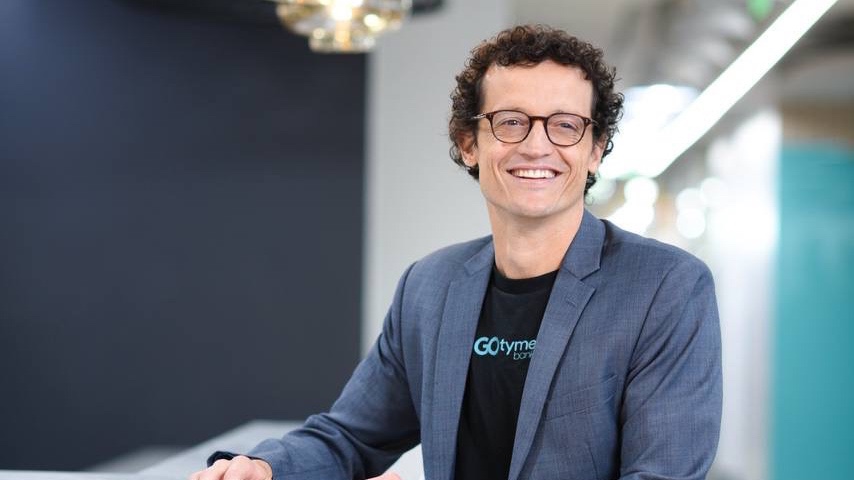
    Marking the bank’s recent milestone of reaching 500,000 GoTyme accounts, the question was raised by Nathaniel Clarke himself, none other than the Chief Executive Officer (CEO) of GoTyme Bank.

    This shows that the bank is committed to maximizing the personal accounts of its customers by listening to their needs and providing wise and helpful additions to the app.

    The bank’s CEO, Nathaniel Clarke, is leading the charge in engaging with the community and ensuring that the bank is in step with what its customers need.

    With its unique self-service kiosk and full banking services, GoTyme Bank is poised to be a leader in the digital banking space.

    Nate, as he’s fondly called by the GoTyme Bank team, recently posted on the GoTyme Bank community—a growing Facebook group of more than 13,000 clients—candidly sharing his scheduled leadership meeting with the GoTyme Team and expressed his enthusiasm to hear everyone’s suggestions on features they’d like to be prioritized.

    The post was well-received on the group, with over 700 likes and 300 comments within the span of 24 hours, and continues to be an active forum where participants get direct responses from Nate himself.

    It’s not at all a common practice for a financial service organization in the country to be so in touch with its clientele—so much so that becomes willing to hear their customers’ needs even before thinking of launching them.

    “That’s exactly what the market is looking for,” Nate says. “As the guardians of our clients’ well-earned savings, banking institutions and financial apps simply cannot afford to disappoint the people that entrust their money to them. And what better way for GoTyme Bank to make sure that we’re in step with what our customers need than to ask them directly what their needs are, and how we can make the GoTyme app even better.”

    That said, Nate promises that the roll out of GoTyme app’s Bills Payment feature and QR payment feature is something that clients won’t have to wait long for.

    “Now more than ever, people scan QR codes for everything, and they pay their bills and purchases from just about anywhere,” Nate explains. “At this crucial time where people are in the search for an efficient and trustworthy Bills Payment and QR payment app that will not fail them, GoTyme Bank is poised to be launching these very crucial features sooner rather than later.”

  • Tricycle drivers are now going cashless in Naga and Lapu-Lapu

    Tricycle drivers are now going cashless in Naga and Lapu-Lapu

    Digital wallets are becoming increasingly popular as a payment method because of their convenience, speed, and security. Governments around the world are also taking note of this trend and are exploring ways to incorporate digital wallets into their financial systems.

    One way that governments are using digital wallets is by incorporating them into social welfare programs. For example, in India, the government has launched a program called Aadhaar, which links a unique identification number to a digital wallet. This program is used to distribute welfare benefits to citizens, such as food subsidies and fuel subsidies.

    At home, Coins.ph – the Philippine’s leading digital wallet provider and crypto exchange platform, supports the Banko Sentral ng Pilipinas (BSP) and Department of Interior and Local Government (DILG) during the launch of the Paleng-QR PH in Naga and Lapu-Lapu City.

    Digital wallets can also be used to promote financial inclusion, particularly in developing countries where a large portion of the population is unbanked. Governments can partner with digital wallet providers to offer financial services to those who are not served by traditional banking systems. This can include features like bill payments, mobile recharges, and even access to credit.

    However, there are also concerns about the potential risks associated with digital wallets, such as fraud and data privacy. Governments need to ensure that appropriate regulations are in place to protect users and prevent abuse of the system.

    Overall, digital wallets offer many opportunities for governments to improve financial services and promote financial inclusion, but careful planning and implementation are essential to ensure that they are used effectively and safely.

    “Coins.ph shares the vision of the Paleng-QR PH program to empower more Filipinos to embrace digital adoption. Through this fast and convenient payment method, we hope that users and merchants feel financially included as digital finance grows in our country.” says Wei Zhou, CEO of Coins.ph, when asked about the company’s partnership with BSP’s Paleng-QR PH program.

    As part of the extensive rollout plan by the BSP, various Local Government Units (LGUs) throughout the country, including Baguio City, Tagbilaran City, Davao City, Naga City, and Lapu-Lapu City, have introduced Paleng-QR PH in their respective markets and communities. During these launches, Coins.ph engaged with locals to assist them in setting up accounts and providing guidance on how to utilize the app’s services.

    In the coming months, the Paleng-QR PH will be launching in other cities, within and outside Metro Manila, so more communities can be financially included and empowered. Today, Coins.ph offers a wide range of products, from e-wallet, crypto trading and remittance services which millions of Filipinos already enjoy. Sign-up via Google Play, App Store or Huawei AppGallery today. 

    Technology has played a significant role in promoting financial inclusion, particularly in developing countries where a significant portion of the population is unbanked. By leveraging technology, financial service providers can offer low-cost and accessible financial services to individuals who are not served by traditional banking systems.

    One way that technology is driving financial inclusion is through mobile banking. Mobile banking allows individuals to access financial services using their mobile phones, eliminating the need to physically visit a bank. This is particularly beneficial for those who live in remote areas where bank branches are not readily available. Mobile banking also allows for the transfer of funds, bill payments, and other financial transactions.

    Another technology that is promoting financial inclusion is digital wallets. Digital wallets allow users to store money digitally and make payments electronically. They offer a convenient, secure, and low-cost alternative to traditional banking services, particularly for those who do not have access to banking infrastructure. Digital wallets also offer opportunities for financial service providers to reach new customers and expand their business.

    Blockchain technology is also being used to promote financial inclusion. By using blockchain, financial service providers can create decentralized financial systems that are more transparent, secure, and accessible. Blockchain technology also offers opportunities for peer-to-peer lending and micropayments, which can be particularly beneficial for small businesses and individuals.

    In conclusion, technology has played a significant role in promoting financial inclusion, particularly in developing countries. By leveraging mobile banking, digital wallets, and blockchain technology, financial service providers can offer low-cost and accessible financial services to individuals who are not served by traditional banking systems.