Tag: ECONOMY

  • Philips Lighting Makes Brighter Homes More Accessible with Nationwide Price Markdown of Up to 50% This Christmas

    Philips Lighting Makes Brighter Homes More Accessible with Nationwide Price Markdown of Up to 50% This Christmas

    This Christmas season, Philips Lighting brings brighter homes within closer reach of Filipino families with a nationwide price markdown of up to 50% across selected LED lighting products.

    More than a seasonal offer, this initiative represents a long-term commitment to making trusted, energy-efficient lighting more affordable for households across the Philippines.

    As families prepare their homes for festive gatherings, shared meals, and everyday moments, Philips Lighting aims to support Filipinos in creating spaces that feel warmer, safer, and more welcoming without compromising on quality or performance.

    “Christmas is about family, comfort, and the joy of coming home,” said Paolo Royol, Commercial Leader for Consumer Business, Philips Lighting Philippines. “By lowering our prices nationwide, we want more Filipino families to enjoy brighter homes that support their daily lives, not just during the holidays, but well beyond them. This is our way of making quality lighting more accessible and meaningful for everyone.”

    Nationwide Price Markdown Highlights

    Filipino consumers can now enjoy reduced prices on the following Philips Lighting products nationwide:

    High Lumen Bulbs – up to 54% off

    Essential Bulbs Mini – up to 13% off

    Essential LED Bulb A-Shape – up to 28% off

    Ecofit TLED (Single Ended) – up to 33% off

    Ecofit TLED (Double Ended) – up to 33% off

    Designed for energy efficiency and long-lasting performance, these products help families reduce energy consumption while enjoying dependable brightness across living spaces, kitchens, work areas, and shared family zones.

    Lighting Homes, Supporting Filipino Dreams

    This nationwide price markdown reflects Philips Lighting’s enduring commitment to Filipino households, helping turn everyday spaces into brighter homes where memories are made and dreams grow.

    As Christmas lights fill homes and communities across the country, Philips Lighting continues to deliver on its promise: to bring light that cares, inspires, and lasts, now made more affordable for Filipino families nationwide.


  • Balik Eskwela Program Brings Digital Literacy, Health Support, and Technology Access to Quezon City High School Students

    Balik Eskwela Program Brings Digital Literacy, Health Support, and Technology Access to Quezon City High School Students

    Globe Coop’s Balik Eskwela Program reached over 200 students at Quezon City High School, providing a holistic learning experience designed to empower students both in the classroom and online.

    The initiative combines digital skills training, personal wellness support, and technology access, reflecting Globe Coop’s commitment to creating future-ready learners in today’s increasingly digital world.

    This is part of the Globe Coop CAREavan, an employee-led outreach program by Globe’s regional teams, delivering tailored initiatives nationwide to support vulnerable groups such as special children, teen mothers, fisherfolk, out-of-school youth, students, and indigenous communities like the Mangyan and the Aeta communities.

    A core feature of the program was the Balik Eskwela Program is the Digital Thumbprint Program (DTP) workshops, which engaged students in interactive sessions on responsible online behavior, digital safety, and critical thinking.

    Through these workshops, students explored real-life scenarios and practical strategies to navigate social media responsibly, evaluate online content critically, and protect themselves in digital spaces.

    The sessions aimed to equip learners not only with technical knowledge but also with the confidence to make informed decisions online, an essential skill in today’s connected world.

    Alongside digital education, Globe Coop provided hygiene kits to students, supporting personal health and wellbeing. This aspect of the program ensured that students are ready to participate fully in school activities, minimizing barriers to learning caused by health challenges.

    Each kit included essential items to promote proper hygiene practices, reinforcing the importance of self-care as part of holistic student development.

    Recognizing the vital role of technology in modern education, the Balik Eskwela Program also focused on improving the school’s computer lab connectivity.

    Students now have access to faster, more reliable internet, enabling them to conduct online research, participate in digital learning platforms, and collaborate with peers on school projects.

    The upgraded lab allows students to fully leverage digital tools to support their academic growth and explore new learning opportunities beyond the classroom.

    “Balik Eskwela is about more than providing technology; it is about equipping students with the skills, resources, and support they need to succeed both in school and online,” said Dr. Remedios P. Danao, school principal.

    Through the Balik Eskwela Program, Globe Coop demonstrates a holistic approach to student development. By combining educational workshops, wellness initiatives, and technology enhancements, the initiative creates a learning environment where students can thrive academically, safely navigate the digital landscape, and maintain personal wellbeing.

    The program underscores Globe Coop’s broader commitment to supporting education and empowering Filipino learners. By equipping students with knowledge, skills, and access to modern tools, Globe continues to invest in the next generation, nurturing future-ready learners who are confident, responsible, and capable of contributing positively to their communities.

    For more information about Globe, visit www.globe.com.ph.

  • Asia’s growth momentum to moderate in 2026 as trade cools; with mixed prospects for the Philippines: ING Asia Outlook 2026

    Asia’s growth momentum to moderate in 2026 as trade cools; with mixed prospects for the Philippines: ING Asia Outlook 2026

    ING has released its Asia Outlook 2026 and Commodities Outlook 2026 reports, outlining how Asia’s 2025 growth surprise, driven by exports and tech investment, is set to moderate next year as global demand and trade volumes soften.

    Even so, the report sees “pockets of opportunity” in Asian bond and FX markets as inflation remains benign with anticipated rate cuts, a weaker US dollar, and a generally soft energy and food price backdrop.

    External demand outperforms, domestic demand lags

    Asia’s 2025 expansion was driven overwhelmingly by external demand and technology rather than domestic spending. Tech-exporting economies like Taiwan and Singapore far exceeded forecasts, while the Philippines joined other domestically-driveneconomies like India in underperforming expectations.

    Despite muted inflation throughout the year, household consumption across the Philippines remained weak, reflected in softening retail sales growth and moderating wage increases amid rising labor force participation.

    Within trade, AI‑related goods were the standout driver of global trade in the first half of 2025, with trade in this category surging by more than 20% year‑on‑year and Asia accounting for nearly two‑thirds of that growth.

    In contrast, non‑AI goods trade rose less than 4%, underscoring subdued investment outside tech and the drag from Chinese overcapacity on Southeast Asian manufacturing and capital spending.

    “Asia’s 2025 story was all about exports and technology doing the heavy lifting while consumers stayed cautious,” said Deepali Bhargava, ING’s chief economist and regional head of Research for Asia‑Pacific (APAC).

    Philippines: Exports resilient but domestic headwinds weigh on growth

    Recent US tariff adjustments provide some near-term relief for the Philippines: the rollback of tariffs on roughly 200 food items supports Philippine agricultural exporters.

    However, broader US tariffs—at around 19% for a large share of Philippine goods—are still expected to weigh on 2026 trade performance.

    Domestically, several factors contributed to softer momentum in 2025. Governance-related investigations have dampened business sentiment, while public infrastructure spending slowed in the third quarter.

    These short-term headwinds added to structural challenges: the software/BPO sector—traditionally a growth engine—remains heavily concentrated in voice-based services vulnerable to AI-driven automation, and the country has lagged peers in attracting manufacturing FDI despite regional supply-chain diversification.

    ING notes that while the slowdown in government spending may drag on near-term growth, the administration’s strong anti-corruption stance is a longer-term positive.

    Improved governance typically supports investor confidence and strengthens the environment for capital spending.

    “As long as confidence returns and public investment picks up later, these efforts should ultimately support a more sustainable growth path,” Deepali noted.

    Inflation, policy, and the 2026 macro backdrop

    Inflation across Asia fell sharply in 2025, largely due to a substantial easing in food prices, and is expected to rise only modestly from cyclical lows in 2026.

    Inflation should remain within central bank targets in 2026, allowing rate-cutting cycles to continue in India, Indonesia, the Philippines, Taiwan and China, and supporting a generally easier monetary stance across the region.

    However, ING cautions that if inflation were to undershoot expectations, real interest rates could rise again, creating a more challenging environment for both business investment and consumer demand.

    “In 2026, growth will no longer be flattered by the same surge in trade and tech, but lower inflation, targeted fiscal support and a friendlier FX backdrop mean investors can still find pockets of value,” Deepali said.

    Reinforcing this picture, ING’s newly published Commodities Outlook 2026 highlights that the global oil market is set to move into a sizeable surplus next year as OPEC+ rapidly brings supply back, with Brent crude forecast to average around USD 57 a barrel in 2026.

    Grain prices have also likely found a floor after record harvests and more comfortable stock levels, with only a gradual tightening expected later in the outlook period. Taken together, these projections point to a relatively benign commodity backdrop for 2026.

    “What’s been remarkable this year is how little oil prices have reacted to very real geopolitical shocks,” said Warren Patterson, ING’s head of Commodities Strategy for APAC. “With inventories rising and OPEC+ restoring supply, we see the market moving into a comfortable surplus next year and Brent averaging about USD 57.”

    Tariffs, supply chains, and sector winners

    Recent US tariff negotiations have narrowed the tariff gap between China and the rest of Asia, reducing simple “tariff arbitrage” advantages but not reversing deeper supply‑chain shifts.

    Asia and Europe are drawing closer through possibly new trade agreements with India and Indonesia, with plans to extend deals to the Philippines, Thailand and Malaysia by 2027, supporting cooperation in manufacturing, green infrastructure and digital connectivity.

    Sector‑specific changes are tilting gains toward agricultural exporters in India and Indonesia, which benefit from lower US food tariffs, and to India and Singapore in pharmaceuticals, helped by India’s generics strength and Singapore’s diversified, high‑value export base.

    Technology exports remain the biggest winners, with AI‑related demand and advanced computing infrastructure supporting a constructive outlook even as front‑loaded shipments fade.  

    ASEAN’s role as a global production hub is deepening. The region now handles over 20% of global semiconductor assembly, testing and packaging and around 22% of global auto parts exports, backed by around USD 12 billion a year of greenfield semiconductor investment and rising EV‑related inflows.

    Sectors less exposed to agriculture, pharma or high‑end tech are expected to see fewer direct tariff gains and continue to face weaker global demand. ING also highlights strong growth in Asia’s commercial services trade, particularly in digital and IT services, as another area where the region is gaining share even as goods trade slows.

    “Tariff truces do not mean business as usual,” Deepali added. “Supply‑chain security, sector‑specific tariffs and Europe‑Asia trade agreements are reshaping where production and capital go and that will be critical for investors looking beyond headline growth.Diversification started well before the latest tariff round, and the ‘China plus one’ strategy remains firmly in place.”

    Country highlights 

    ● China: Growth is expected to moderate to around 4.6% in 2026 from roughly 5% in 2025 amid property‑sector weakness and lingering deflation pressures. 

    ● Japan: The “Sanaenomics” agenda, combining sizeable fiscal stimulus and solid wage gains and the Bank of Japan’s measured policy normalisation, is expected to support a stronger 2026.  

    ● South Korea: GDP growth is forecast to accelerate to 2.0% from 1.2%, driven by a robust semiconductor cycle and fiscal support. 

    ● India: ING assigns 70% probability to a US trade deal in 2026 and expects at least 25bp RBI rate cut to support rupee and local markets. 

    FX and bond market implications 

    The report highlights a constructive view on Indian and Korean local-currency bonds, citing robust fiscal discipline in India and an index inclusion for Korea in major global bond indices.

    Real policy rates have come off their peaks but remain broadly supportive, and recent foreign inflows into local bond markets point to renewed investor interest in Asia.

    On currencies, CNY and KRW are best positioned among low-yielders to benefit from an anticipated US dollar weakness in 2026.

    Among high-yielders, the INR stands out as the most compelling upside potential if trade dynamics improve, while the IDR and PHP are seen as more vulnerable given narrowing rate differentials and local structural weaknesses.

  • Frenchy, Lilith Grace Headline New DP Diva, PervCity Debuts

    Frenchy, Lilith Grace Headline New DP Diva, PervCity Debuts

    Maestro Claudio introduces two knockout new scenes this week, welcoming Frenchy in her first appearance for DP Diva and Lilith Grace’s debut for PervCity.

    The new DP Diva scene, “Busty MILF Frenchy Ends Double Penetration And DVP With A Facial”, features the alluring up-and-comer in an unforgettable erotic adventure with co-stars Donny Sins and Eric John.  

    “Very good to work with Donny and Eric for the first time; hope to shoot with them again soon!” enthused Frenchy of the performance. “The team was amazing as always – love you guys! I learned again more stuff because of Claudio about the positions and others.”

    Maestro Claudio stated, “Frenchy impressed me from the moment she walked on set. She’s got this unfiltered energy and clarity about who she is that made directing her a pleasure. I think this scene shows how much potential she has, and why she’s someone to watch.”

    Over on PervCity, Lilith Grace returns to Maestro’s world in “Horny Lilith Grace Moans Softly While Receiving An Anal Fucking”, co-starring Milan Ponjevic. While this marks her PervCity debut, Grace previously scored  waves in her earlier DP Divarelease, “Hot and Horny Busty Brunette Lilith Grace Receives Her First Ever DP”.  

    “I love getting my booty hole fucked so much!” said Grace. “Milan used me like a little fuck toy, and Claudio is one of the nicest older guys I know. I’m still horny!”

    Maestro Claudio added, “Lilith brings a deliberate, focused intensity to every frame, and working with her is always smooth sailing. There’s a confidence in her performance that makes everything click, and I think this PervCity debut lets that shine through in a really fun way.”

    For more information, visit DPdiva.com and PervCity.com, and follow DP DivaPervCityMaestro ClaudioFrenchyLilith GraceEric JohnDonny Sinsand Milan Ponjevic on X; DP Diva,PervCity, and Maestro Claudio on Instagram, and Maestro Claudio on OnlyFans and Bluesky.

  • Jimm’s Coffee Brings Wellness, and Energy In Every Cup

    Jimm’s Coffee Brings Wellness, and Energy In Every Cup

    Jimm’s Coffee continues to bring joy and energy to Filipinos, giving everyone a chance to experience their favorite cup of coffee in a more meaningful and refreshing way.

    The event was held at the Malabon Sports Center in Malabon City, celebrating the brand’s commitment to helping Filipinos stay energized and focused throughout the day.

    At the heart of every cup is Korean Ginseng, Jimm’s Coffee’s hero ingredient — a natural booster known to enhance focus, memory, and stamina. This dedication to wellness shines through in its expertly crafted blends.

    The 3 Plus 1 with Korean Ginseng is perfect for daily enjoyment, delivering the smooth, rich coffee taste you love while providing the natural benefits of Korean Ginseng to help you stay energized and focused throughout your day.

    The 5-in-1 with Korean Ginseng and Agaricus Mushroom is designed for those who need an extra energy boost, combining the power of Korean Ginseng with Agaricus Mushroom, known for its immunity and vitality benefits, making it ideal for busy mornings or long workdays.

    For complete wellness, the 7-in-1 with Korean Ginseng and Other Natural Ingredients goes beyond energy, supporting overall health with a unique mix of natural ingredients. It’s perfect for those who want to fuel their body and mind while nurturing their well-being.

    Brand Ambassador Coco Martin Joins the Event

    Adding even more excitement, Coco Martin, Jimm’s Coffee’s brand ambassador, joined the celebration. The event gave his fans a special chance to meet him in person and share their favorite Jimm’s Coffee moments.

    The day’s activities included free samples of Jimm’s Coffee Mix, an energetic dance session, fun games, and raffle prizes, keeping all who joined engaged and entertained throughout the event.

    Beyond the fun, the gathering highlights Jimm’s Coffee’s commitment to wellness, natural energy, and functional benefits, creating a space where Filipinos can learn how Korean Ginseng supports the energy, focus, and stamina needed to power through their day.

    “Jimm’s Coffee has always been about more than just enjoying a cup — it’s about giving Filipinos the energy and wellness they need to do more and achieve more every day,” said Michelle Tiu Lim-Chan, President and Chief Executive.

    “Having Coco Martin with us strengthens this mission. He embodies hard work, resilience, and the everyday determination of Filipinos. These are the values that reflect what Jimm’s Coffee stands for,” added William Tiu Lim, Founder and Chairman of Mega Prime Foods.

    Coco Martin shared,“Napakasarap sa pakiramdam na pagkatiwalaan bilang Brand Ambassador. Sa pagiging bahagi ng Jimm’s Coffee Mix, nakikita ko rin na nire-representa ko ang lahat ng Pilipino na araw-araw lumalaban at nagsusumikap para sa kanilang pamilya. Marami na akong kapeng natikman, pero iba pa rin ang Jimm’s Coffee Mix para sa akin dahil sa health benefits at energy boost nito, lalo na’t may Korean ginseng. Sobrang proud ako na kahit sa iba ko pang talento, nakikita nila ang aking dedikasyon, at naipapakita ko sa pamamagitan ng Jimm’s Coffee Mix ang sipag at husay ng bawat Pilipino.”– Brand Ambassador of Jimm’s Coffee Mix

    With Coco Martin at the forefront and a focus on wellness powered by Korean Ginseng, Jimm’s Coffee reinforced its position as a daily companion that energizes, uplifts, and connects Filipinos.

    For more information and a complete list of promos, visit the Jimm’s Coffee Mix official Facebook page. To learn about our commitment to quality wellness products, visit the Mega Prime Foods Inc. official website.

  • Equinix’s green edge shifts the datacenter power game

    Equinix’s green edge shifts the datacenter power game

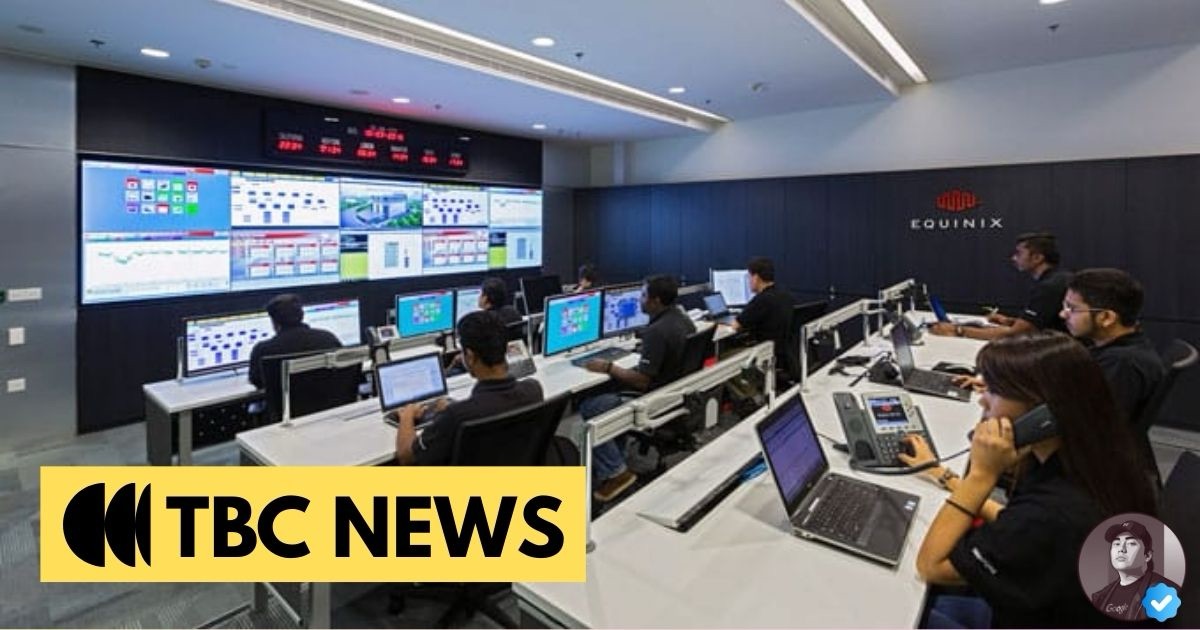
    Equinix secured a leader position in the 2025–2026 IDC MarketScape for datacenter services sustainability, signaling strong external validation of its environmental performance as enterprise and hyperscale buyers face rising regulatory and investor pressure to decarbonize digital infrastructure.

    The assessment highlights Equinix’s global operating scale as a strategic advantage, with more than 270 data centers across 77 metros in 36 countries, enabling standardized deployment of energy and water efficiency programs at a level few peers can match.

    Operational efficiency remains a core competitive lever. In 2024, the company reported a global average Power Usage Effectiveness of 1.39, improving 6% year over year, with a target of 1.33 by 2030, positioning it favorably on cost control and carbon intensity as energy prices and carbon disclosure requirements tighten.

    Heat reuse has become a measurable asset. The company exported 14.5 GWh of residual heat in 2024, a 245% annual increase, with projects integrated into municipal district heating systems in Helsinki, Toronto, and Paris, supporting both local regulatory alignment and community stakeholder acceptance.

    Water risk is increasingly material for data center operators. Equinix reported an average Water Usage Effectiveness of 0.95 and expanded water reporting and reuse technologies, strengthening resilience in water-constrained markets and reducing exposure to permitting and operational disruptions.

    Capital structure increasingly reflects sustainability positioning. Since 2020, Equinix has issued more than $9 billion in green bonds, with about $4.9 billion deployed into green buildings, renewable energy, energy efficiency and next-generation onsite power, lowering its long-term cost of capital and supporting asset valuation.

    Energy sourcing remains a central risk and differentiator. Equinix reached 96% global renewable energy coverage in 2024, including full coverage in the Americas and EMEA, with a goal of 100% by 2030 as power intensity rises from AI and high-density compute workloads.

    The company targets net-zero emissions across its value chain by 2040, with validated Science-Based Targets for 90% reductions in Scope 1, 2 and 3 emissions, aligning the business with tightening global climate disclosure and procurement standards.

    Strategically, the recognition strengthens Equinix’s competitive positioning as enterprises consolidate infrastructure vendors based on sustainability performance, regulatory readiness and long-term operating risk rather than price alone.

  • Exhibitors Praise High-Quality Visitors at the 17th Philippine SME Business Expo and Conference (PHILSME) Entrepreneur and Franchise Edition

    Exhibitors Praise High-Quality Visitors at the 17th Philippine SME Business Expo and Conference (PHILSME) Entrepreneur and Franchise Edition

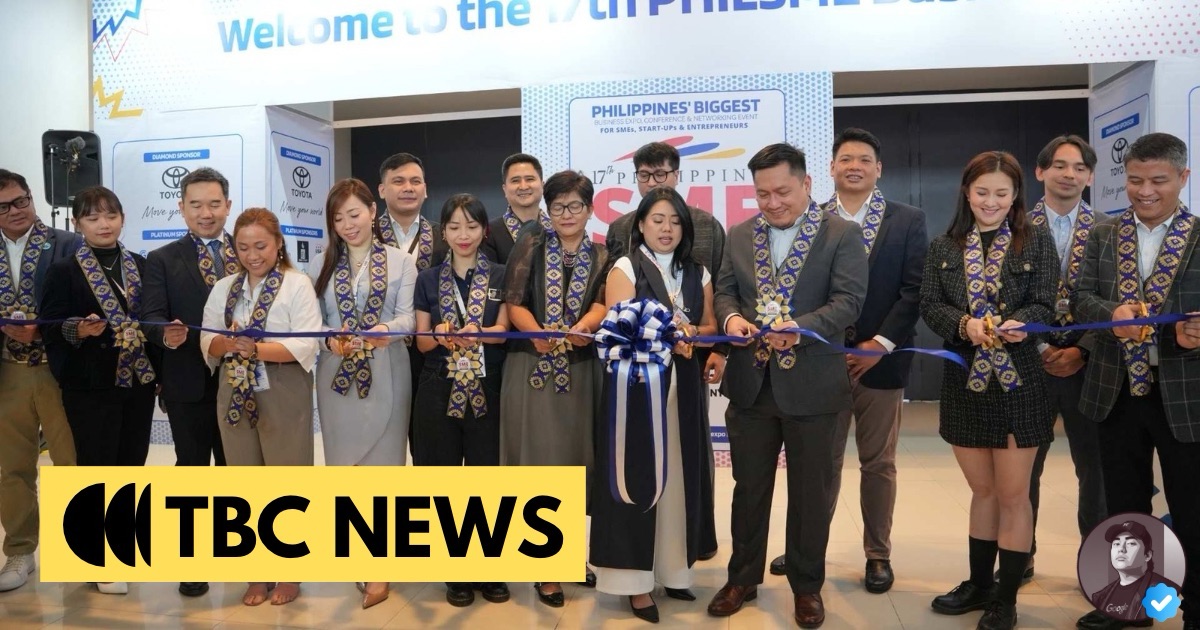
    The 17th Philippine SME Business Expo and Conference (PHILSME) Entrepreneur and Franchise Edition, held November 28–29 at the World Trade Center Metro Manila, welcomed 10,000 visitors who explored innovative solutions from 180 brands designed to help small and medium enterprises (SMEs) grow and scale.

    PHILSME CEO and Managing Director Trixie Esguerra-Abrenilla, who led the event, said:
    “What stood out this edition was giving more space for franchising opportunities, which people were genuinely happy about. SMEs came looking for the right solutions, entrepreneurs came looking for the right fit, and businesses connected with intention. That focus is exactly what PHILSME exists to support.”

    DTI Assistant Secretary Grace Baluyan delivered the Opening Day keynote, underscoring the economic importance of the sector: “Our MSMEs are not just part of the economy — they are the economy’s backbone.”

    A diverse lineup of business mentors and industry experts presented across the expo’s stages, including Francis Kong, Dean Pax Lapid, Jonathan Yabut, Myrna ‘Mommy Negosyo’ Natividad, Reymond ‘Boss RDR’ Delos Reyes, Kimberly ‘Kimilu’ Lu, and Kween Yasmin. Corporate leaders also contributed valuable insights, among them Norman Cloyd Sebastian, Vice President, Sales Distribution Department – Marketing Division, Toyota Motor Philippines, who shared perspectives on mobility and business expansion, and Joseph Jerome Francia, First Vice President and Head of Operations, GMA International, who led the GMA Pinoy TV panel showcasing stories of Overseas Filipino Workers progressing into Overseas Filipino Entrepreneurs.

    The expo also featured two community-focused gatherings: the PHILSME Business Network New Members Awarding Ceremony and an exclusive Networking Night attended by PHILSME Network members, exhibitors, and sponsors.

    Exhibitors emphasized that the strength of this 17th edition lay in the high intent and preparedness of visitors. Many SME owners arrived with specific needs, engaged in in-depth discussions with exhibitors, and evaluated multiple solutions—resulting in stronger follow-ups and more meaningful interactions than in previous editions.

    Supported by 19 sponsors, including Toyota Motor Philippines as Diamond Sponsor and Platinum Sponsors GCash for Business, Taho Story, USA Poultry & Egg Export Council, Benchmark, and Canva, the expo delivered a strong close to 2025.

    The strong turnout and positive exhibitor feedback have already prompted companies to secure their booths for the 18th PHILSME, set for May 22–23, 2026 at the SMX Convention Center, Pasay City.

    Exhibitors aiming to be part of the next edition and achieve their sales goals may apply at philsme.com/exhibit. For partnerships, sponsorships, and additional information, visit philsme.com.

  • Health emergencies now the top fear for Filipino households

    Health emergencies now the top fear for Filipino households

    Manila, Philippines – Filipino families are reshaping their priorities around health, savings, and daily nutrition, according to a new nationwide study released by Boston Consulting Group.

    The report surveyed 1,515 families representing more than 6,000 individuals across the country.

    Researchers found that 70 percent of households now rank financial preparedness for health emergencies as their top concern.

    That fear is driven by the reality that most families cannot afford a sudden medical bill without borrowing money or relying on insurance.

    The study said 68 percent of respondents place building a stable savings fund among their main goals.

    Another 64 percent identified improving nutrition and food quality as a core household priority.

    BCG said these findings show the central role families play as both economic and emotional units within Filipino society.

    Researchers also identified six household structures that shape how families earn, save, and make decisions.

    These structures range from single-earner and dual-earner nuclear families to solo parent households, couples without children, sandwich families balancing three generations, and large extended families living under one roof.

    Each structure carries its own financial pressures, time limitations, and internal decision-making systems.

    The report noted that family decisions are rarely made by a single person.

    Choices about groceries, school expenses, major purchases, and even investments often involve multiple members.

    Women typically manage day-to-day spending and savings, while men tend to handle long-term financing and investments.

    Despite these roles, the study described decision-making as collaborative and grounded in care.

    Researchers said this shared approach remains strong even in households separated by migration.

    More than half of Overseas Filipino Workers continue to participate in major family decisions from abroad.

    The study said OFWs often contribute up to three-fourths of household income through remittances.

    Many coordinate with loved ones through messaging platforms, video calls, and group chats.

    The report argued that businesses often overlook this dynamic, treating consumers as individuals instead of interconnected family units.

    BCG said this disconnect limits the relevance of financial products, health plans, and digital services designed for the Philippine market.

    Researchers urged companies to rethink how they build tools for payments, savings, and insurance to reflect the reality of shared responsibility.

    They said families aspire to stability more than luxury and value products that ease daily burdens.

    Panelists from McDonald’s Philippines, Kaya Founders, and She Talks Asia discussed how understanding household dynamics can reshape business strategies.

    They said companies that recognize the household as the core decision-maker are more likely to succeed in the Philippine market.

    BCG said the goal of the report is to help institutions build systems that match how Filipino families actually live.

    Fediverse reactions
  • 8 Surprising Ways China’s Silver Economy Is Quietly Changing the World

    8 Surprising Ways China’s Silver Economy Is Quietly Changing the World

    A thoughtful young person with headphones in a recording studio, contemplating ideas of the silver economy, with an inset image of active older adults enjoying a run outdoors.

    China’s aging population has long been painted as a looming crisis, but the country is flipping the script. Instead of treating demographic change as a burden, China is turning it into a trillion-dollar powerhouse known as the silver economy. By 2035, the spending power of older citizens is projected to hit 19.1 trillion yuan ($2.68 trillion) — nearly 28 percent of total national consumption.

    Here are eight eye-opening ways China’s silver economy is transforming life for seniors, reshaping industries, and creating ripple effects far beyond its borders.

    1. From Survival Spending to Lifestyle Choices

    Gone are the days when seniors in China focused only on the basics. Today’s older generation is demanding more than just survival. They are choosing development-oriented spending, splurging on wellness programs, leisure travel, cultural activities, and premium nutrition.

    This shift means companies can no longer rely on cheap essentials; they are forced to innovate with high-quality products and services tailored to seniors’ evolving needs.

    2. Technology Becomes a Caregiver

    One of the boldest areas of innovation is eldercare technology. At the World Robot Conference, Chinese companies unveiled robots that serve meals, offer companionship, and assist with daily routines. These are not futuristic prototypes — they are already deployed in hospitals, nursing homes, and households.

    Even more striking, China led the creation of the world’s first international standard for eldercare robots, solidifying its influence on how the rest of the world will use technology to care for the elderly.

    3. Train Travel Reinvented for Seniors

    China’s railways are now more than just a way to move from city to city. New senior-friendly train carriages have been designed with softer lighting, accessible bathrooms, grab bars, call buttons, and onboard medical staff. Entertainment and meals are adapted to older passengers’ needs.

    Over one million seniors have already traveled on these specialized journeys, proving that aging gracefully can mean exploring the country in safety and comfort.

    4. A New Consumer Class Rises

    China’s 310 million seniors — accounting for 22 percent of the population — are shaping markets in ways no one expected. They are purchasing imported foods, digital health apps, specialized footwear, and wellness services. This surge in demand has pushed businesses to diversify product lines and rethink customer service strategies.

    For global brands, tapping into China’s silver economy is becoming as important as targeting younger consumers.

    5. Millions of New Jobs on the Horizon

    Experts predict the silver economy could create 100 million jobs by 2050. These opportunities span from high-tech industries like robotics and smart homes to service sectors such as hospitality, nutrition, wellness, and eldercare.

    For China, this means demographic change is not just sustainable — it is a new engine for employment and inclusive growth that benefits both urban and rural workers.

    6. Seniors Are Going Global

    The silver economy isn’t confined to China’s borders. The country is actively sharing its innovations in digital care models, wearable technology, and smart homes with the world. Meanwhile, international companies are diving into China’s senior market to offer healthcare, lifestyle, and wellness solutions. This two-way flow of ideas and products is creating new opportunities for global trade and collaboration.

    7. Social Harmony Through Senior Welfare

    Investing in the silver economy is not just about money. China’s strategy also strengthens social stability and cohesion. By designing systems that prioritize dignity, respect, and accessibility for older citizens, the government builds trust among communities.

    This approach reinforces the cultural value of caring for elders while preventing social strain that might otherwise arise from rapid demographic shifts.

    8. A Platform for International Cooperation

    China’s silver economy is opening doors for global partnerships in healthcare, research, and policy-making. Instead of closing off, China is inviting other nations to collaborate on shared challenges. Countries facing their own aging populations can draw lessons from China’s proactive model, while China benefits from shared expertise and diverse collaborations.

    It’s a mutually beneficial exchange that could shape how the world addresses aging for decades to come.

    Final Takeaway

    China’s silver economy shows that aging populations don’t have to spell disaster. Instead, they can spark innovation, dignity, and cooperation. With its seniors driving demand for new technologies, services, and global partnerships, China is proving that demographic shifts can be transformed into engines of progress.

  • CMS Throws a Gala to Celebrate Its SGX Encore, Promising to “Globalize” Pharma While Everyone Else Does the Math on Margins

    CMS Throws a Gala to Celebrate Its SGX Encore, Promising to “Globalize” Pharma While Everyone Else Does the Math on Margins

    On July 15, 2025, China Medical System Holdings Limited marked its secondary listing on the Singapore Exchange with a forum-dinner hybrid at its gleaming Tuas CDMO plant, because nothing says capital-market discipline like canapés beside stainless steel reactors.

    About 150 representatives from government, pharma multinationals, biotech hopefuls, investors and pharma KOLs dutifully turned up to debate how to sell more drugs, faster, across Southeast Asia, the Middle East and every other “emerging” market investors suddenly remember exists when Western growth stalls.

    Speakers from SGX, Singapore’s Economic Development Board, CGS International Securities, L.E.K. Consulting and A*STAR laid out the familiar trilogy of incentives, streamlined rules and capital access, with SGX’s Caihan Chia declaring the bourse increasingly attractive to Chinese issuers thanks to lighter friction and friendlier tax nudges.

    “The successful listing of CMS showcases the growing interest among Chinese companies in the Singapore market,” Chia said, framing the deal as both validation for SGX and a springboard for CMS into Southeast Asia’s fragmented but fast-growing healthcare spend.

    IQVIA data helpfully reminded the room why everyone is here: by 2028, Asia-Pacific, India, Africa and the Middle East, and Latin America together could be a USD 336 billion to USD 384 billion pharma market, which is suddenly comparable to Western Europe, and definitely not something investors were ignoring five years ago.

    Singapore, with its predictable rule of law, deep capital pools and ability to host both roadshows and reactors, is positioning itself as the region’s clean room for cross-border pharma finance.

    CMS, which insists it is no longer just “China’s largest CSO,” rolled out its dual-hub narrative: China for scale and speed, Singapore for global polish and investor access.

    Chairman and CEO Lam Kong pitched “New CMS, New Ascent,” a three-engine strategy—product innovation, commercial transformation and international expansion—that he says is already delivering a durable second growth curve.

    The company claims nearly 40 first-in-class or best-in-class drug candidates via licensing, partnerships and in-house R&D, with five already approved in China and in broad clinical use, while it doubles down on cardio-cerebrovascular, gastroenterology, ophthalmology and skin health to keep cash flows less cyclical.

    Dermavon, its skin health arm, was spotlighted as a niche leader marching toward a Hong Kong spin-off, because nothing accelerates value creation like giving investors another ticker to argue about.

    On globalization, CMS talked up its “bring in” and “move outward” two-way playbook, using Singapore to knit together R&D, manufacturing, commercialization and investment into something that resembles a multinational’s operating model, at least on the slides.

    PharmaGend, its Tuas-based CMO/CDMO founded in 2023, was cast as Southeast Asia’s future production workhorse, already FDA and HSA certified for tablets and capsules, with injections, ointments and nasal sprays on the expansion roadmap.

    Rxilient, established in 2021, said it has filed nearly 20 drug and device applications across Southeast Asia, the Middle East, Hong Kong, Macao and Taiwan, betting on dermatology, ophthalmology, oncology, autoimmune and CNS indications to turn regulatory approvals into real revenue.

    CMS R&D, set up in Singapore in 2024, is pushing more than 10 early-stage programs, aiming to wed “China speed” to global standards, a phrase that sounds great in keynotes and terrifying in compliance departments.

    HiGend, launched this year as a hub-and-spoke incubator, wants to industrialize early-stage biopharma creation by piping Chinese innovation into global trials and commercialization tracks.

    Three panel discussions tried to answer the only question that matters: can Chinese innovators really scale outside the U.S. and Europe without getting swallowed by regulatory heterogeneity, pricing caps and a patchwork of distributors.

    Executives dissected case studies like Stulln eye drops and ruxolitinib cream, arguing that clinical value plus omnichannel commercialization can still win in China and be ported to Southeast Asia if you own your sales muscle and data.

    Others noted that Chinese drugmakers have racked up over USD 10 billion in upfront license-out payments in the past three years, mostly to the West, but the next growth burst could come from emerging markets that together house 1.8 billion people but spend a fraction of Western peers on healthcare.

    Investment bankers and fund managers warned that most Chinese firms are still stuck in the “isolated breakthrough” phase, cashing single licensing checks rather than building repeatable, global operating systems.

    To get past that plateau, they argued, companies will need full-stack internationalization—manufacturing, R&D, clinical, regulatory and commercialization—so they can convert episodic deal revenue into durable brand equity and pricing power.

    CMS clearly thinks its China–Singapore lattice is that template, promising a closed loop of R&D, manufacturing, commercialization and investment that it says can be cloned across Southeast Asia and beyond.

    Skeptics will point out that Southeast Asia’s six biggest economies are still dominated by out-of-pocket spending, generics and chaotic distribution, which makes “scalable” a generous adjective.

    CMS counters that localized manufacturing, stronger in-market sales teams and smarter licensing will tilt the odds.

    The applause lines faded with the stage lights, but the thesis held: emerging markets are where the volume is, Western Europe is where the benchmarks are, and Singapore is where you pitch both.

    Whether CMS’s second growth curve bends up or flatlines will depend less on dinners in Tuas and more on how fast those nearly 40 pipeline assets clear regulators, find payers and prove clinical value in markets that are allergic to premium pricing.

    For now, SGX gets another Chinese healthcare listing to market, CMS gets a new investor base to court, and everyone else gets one more case study to cite at the next “globalization” forum.