The heat is about to rise in the east as Fire Fest 2025 takes over the Renaissance Convention Center in Marikina on October 4-5, transforming the city into the Philippines’ hottest playground for food, culture, and community spirit.
What began as a humble chili festival by the Philippine Chili Federation has now erupted into a massive four-hall spectacle, uniting six powerhouse communities under one blazing banner. The event will showcase everything from the iconic Chili Fest 8, complete with fiery eating challenges and a 200-sauce “Table of Fire,” to the first-ever Chili Cocktail Cup led by renowned mixologist Chef Kalel Demetrio.
Vivien Lin, Chief Product Officer at @BingXOfficial, explains that this transition is driven by regulatory clarity, growing institutional participation, and the adoption of blockchain infrastructure by financial institutions.https://t.co/9g5IW9X1VA
Beyond the spice, visitors can indulge in Texas-style barbecue from the Pitmasters Club of the Philippines, ice-cold craft beer courtesy of the Philippine Craft Brewers Association, and even explore disaster-preparedness lessons disguised as a camping bazaar. For a cooler touch, plant lovers can head to the “Fanged & Fearless” garden exhibit by Horti Filipina.
More than just food and fire, organizers say the festival is a rallying point for supporting local products, small businesses, and Filipino creativity. With celebrity chefs, international recognition, and thousands of thrill-seekers expected, Fire Fest 2025 is set to be Marikina’s biggest blaze yet.
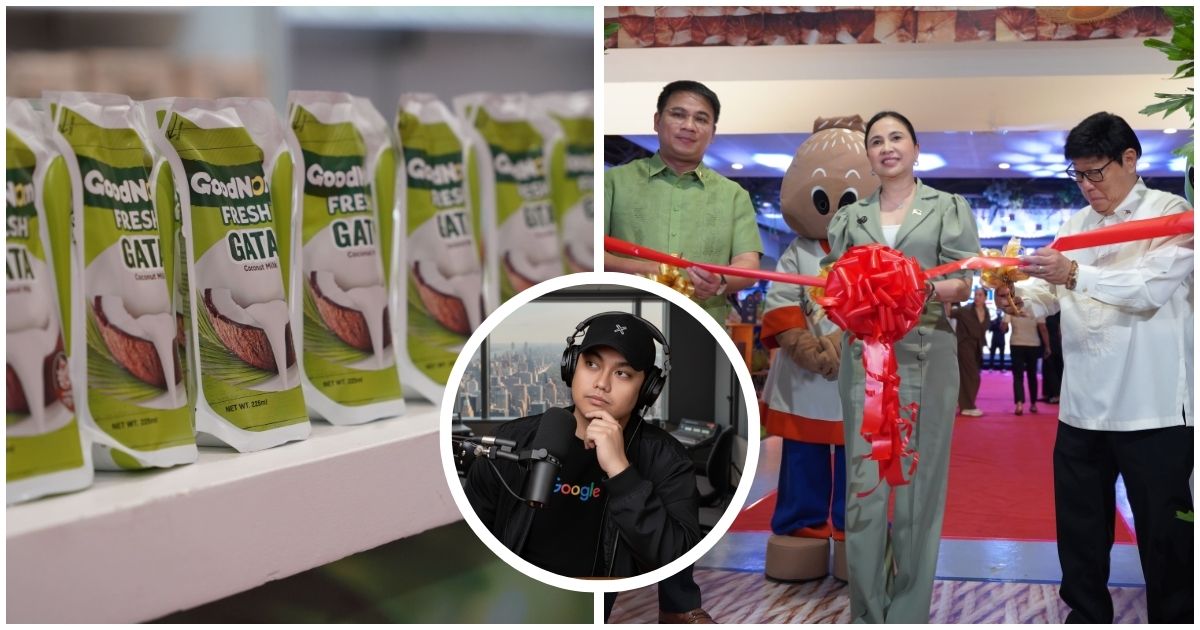
In celebration of National Coconut Week, Monde Nissin Corporation proudly participated as a Gold Sponsor of Cocolinarya Turismo 2025, a premier culinary event organized by the Philippine Coconut Authority (PCA). Held at SM Megamall Trade Hall, Building B, last August 29, 2025, the event gathered key figures from government, industry, and education, and secretaries from the Department of Trade and Industry (DTI) and Department of Agriculture (DA).
As part of its sponsorship, Monde Nissin showcased GoodNom Fresh Gata, a proudly Filipino product that celebrates the coconut as a locally sourced, sustainable ingredient. GoodNom brings the versatility of coconut to Filipino cuisine thanks to its 5 Sarap Signs of fresh gata–Maputi, Mabango, Malapot, Manamis-namis at Ma-krema. By promoting coconut in Filipino cuisine, Monde Nissin reinforces its commitment to supporting smallholder farmers, advancing local agriculture, and promoting Filipino food heritage.
“This partnership reflects our deep belief in the power of local. By introducing GoodNom Fresh Gata at Cocolinarya Turismo 2025, we celebrate the richness of our culinary traditions and advocate for a more sustainable and inclusive food system,” said Marc Alejo, Monde Nissin’s Head of Public Affairs. “We are honored to support the coconut industry, whose resilience and potential continue to inspire us. Through events like this, we move closer to our goal of Making Better Possible.”
Vivien Lin, Chief Product Officer at @BingXOfficial, explains that this transition is driven by regulatory clarity, growing institutional participation, and the adoption of blockchain infrastructure by financial institutions.https://t.co/9g5IW9X1VA
Cocolinarya Turismo 2025, co-organized by the DTI-Bureau of Market Development, Promotions and OTOP (DTI-BMDPO), Coconut Farmers and Industry Development Plan (CFIDP), Council of Hotel and Restaurant Educators of the Philippines (COHREP), and Lyceum of the Philippines University Laguna, gives students and educators a platform to reimagine the role of coconut in the future of culinary, tourism, and hospitality education. This year’s theme, “Exploring Horizons, Empowering Futures,” encourages innovation, sustainability, and youth empowerment through Filipino cuisine.
Monde Nissin’s presence at the event underscores its commitment to shared value creation, sustainable sourcing practices, and partnerships that uplift local industries. As the company continues to expand its offerings rooted in Filipino tradition and agricultural potential, GoodNom Fresh Gata stands as a symbol of how purposeful products can create impact from farm to table.
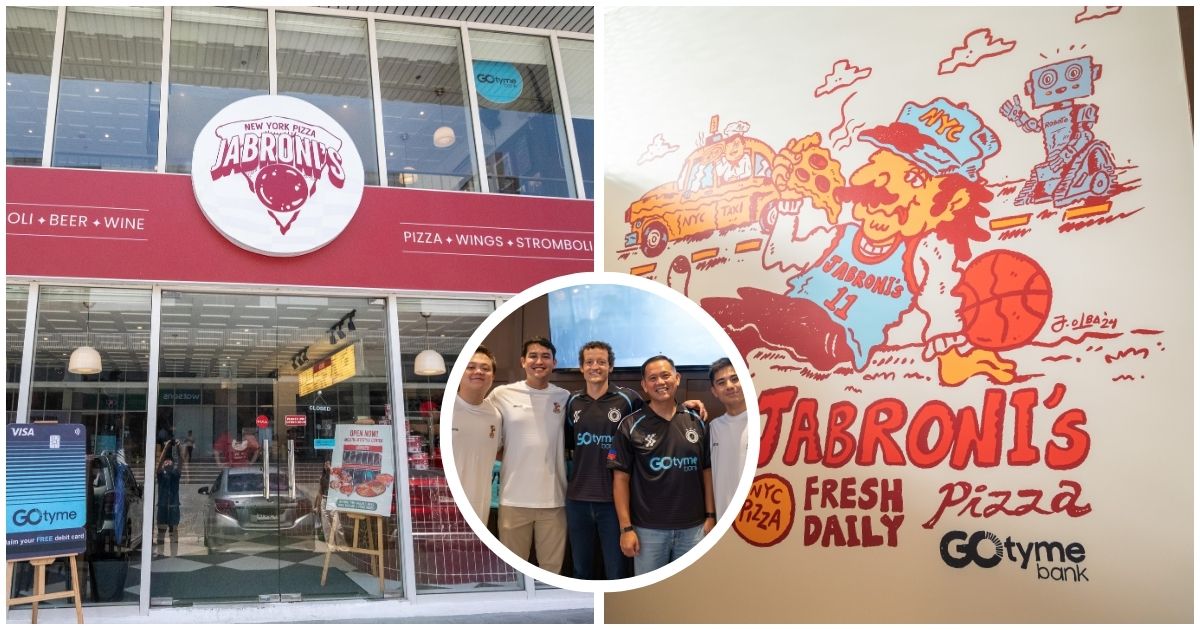
Pizza and banking might sound like an unlikely duo, but GoTyme Bank and Jabroni’s Pizza have cooked up a groundbreaking concept that’s making headlines: The Pizza Bank.
Located in Molito, Alabang, this two-story space blends financial services with mouthwatering comfort food, creating a one-of-a-kind community hub. Whether you’re craving a cheesy slice or looking to open a bank account in minutes, The Pizza Bank proves that money management doesn’t have to be boring.
Here are eight reasons why this world-first concept is reshaping the way we think about dining and finance.
1. It’s the World’s First-Ever Pizza Bank
While cafes and coworking spaces have already merged with financial services, no one has dared to combine pizza with banking—until now. The Pizza Bank is a global first, designed to make financial transactions feel as comforting as ordering your favorite slice. Instead of the usual sterile atmosphere of a bank branch, you’re welcomed by the warm scent of freshly baked dough and melted cheese. This innovative setting alone makes it a must-visit.
2. You Can Open a Bank Account in Under Five Minutes
Forget the long lines and endless paperwork. At The Pizza Bank, opening a GoTyme Bank account is faster than reheating leftover pizza. Customers can head to the in-store kiosk, key in their details, and get started in just a few minutes. By the time your mozzarella sticks arrive, you’ll already be a verified account holder.
3. A Menu That Goes Beyond Pizza
Of course, this isn’t just about banking. Jabroni’s Pizza has loaded The Pizza Bank with a menu that keeps the community coming back for more. From ridges and pizza rolls to buffalo wings, mozzarella sticks, and even curated wine selections, there’s something for every craving. It’s a rare place where you can savor both comfort food and financial convenience without skipping a beat.
4. Exclusive Discounts for GoTyme Customers
GoTyme Bank isn’t just bringing financial services into a pizzeria—it’s also offering real perks. Until December 31, 2025, anyone who signs up for a GoTyme Bank account at the Molito kiosk will get 25% off their total bill. Already a GoTyme user? No problem. You can still enjoy 10% off when you pay with your GoTyme Bank Visa debit card until January 15, 2026. Essentially, banking here rewards both your wallet and your appetite.
5. A Community Hub, Not Just a Branch
One of the standout aspects of The Pizza Bank is its commitment to community. GoTyme Bank and Jabroni’s designed the space to be more than just a restaurant or banking kiosk—it’s a social spot. Whether you’re dropping by with friends, hosting a casual meet-up, or just enjoying solo pizza therapy, The Pizza Bank is built to be a vibrant gathering place where conversations and connections flow as easily as the wine list.
6. Banking Meets Lifestyle Innovation
GoTyme Bank’s mission has always been to make banking accessible and enjoyable, and The Pizza Bank embodies that goal. Instead of limiting branches to malls or offices, GoTyme is embedding its services in everyday hangouts like gyms, barbershops, and now pizza parlors. This approach removes the friction from banking and makes financial inclusion feel less intimidating and more natural. With The Pizza Bank, managing your money feels as familiar as ordering your go-to pepperoni slice.
7. A Slice of New York in Alabang
The Pizza Bank’s design draws inspiration from classic New York slice shops, bringing a nostalgic city vibe into the Molito community. From its two-floor setup to the casual yet stylish interiors, it’s a place where you can feel both the hustle of a metropolis and the warmth of a neighborhood joint. Whether you’re grabbing lunch, catching up with friends, or setting up your digital banking, the atmosphere blends urban energy with local charm.
8. A Glimpse Into the Future of Banking
The Pizza Bank isn’t just a quirky experiment—it’s a vision of what the future of banking could look like. By embedding itself in everyday spaces, GoTyme is proving that financial services don’t have to exist in stiff, intimidating offices. Instead, they can integrate into our lifestyle seamlessly, creating new opportunities for interaction and accessibility. The Pizza Bank is the first of its kind, but it certainly won’t be the last as banks worldwide look for creative ways to engage communities.
The Pizza Bank is more than a novelty. It’s a bold experiment that reimagines how financial services and food culture can come together in meaningful ways. Whether you’re in it for the perks, the pizza, or the promise of faster, friendlier banking, The Pizza Bank is worth a visit.
Drop by Molito today, open a GoTyme Bank account, and enjoy exclusive discounts on your Jabroni’s favorites. For more updates and promos, follow @gotymebank and get a taste of the future—one slice at a time.
Asia’s travelers are proving that the quickest way to the heart really is through the stomach. Agoda’s latest travel insights reveal that food and drink are no longer just side attractions but the main event for millions of tourists.
From Japan’s sushi streets to Thailand’s night markets, here are ten key takeaways on why culinary tourism is reshaping the region.
1. Japan leads the pack Japan tops Agoda’s list as the most searched destination for food and drink activities between June and July 2025. From ramen alleys in Tokyo to Michelin-starred kaiseki in Kyoto, the country’s culinary reputation is driving record traveler interest.
2. Thailand and Vietnam hold strong appeal Thailand ranks second and Vietnam third as culinary magnets, with their street food cultures boosting travel demand. Bangkok alone sees over 22 million annual visitors, many of whom come for its vibrant night markets and spicy eats.
3. Southeast Asia’s rising stars Indonesia and Malaysia complete the top five foodie destinations. Both nations are gaining traction thanks to diverse food scenes, from Indonesia’s nasi goreng to Malaysia’s hawker centers, which attract millions of regional tourists yearly.
4. Food ranks alongside tours and immersive activities Culinary experiences now rank in the top five most searched activities on Agoda, signaling that eating is as much an adventure as sightseeing or cultural tours. Hotels that highlight local cuisine can tap into this demand instantly.
5. Japanese travelers are leading explorers Not only is Japan the most searched destination, but Japanese tourists themselves are venturing out for food-focused trips. Top picks include South Korea, Vietnam, Hong Kong, and Taiwan, showing their eagerness to taste Asia’s best flavors.
6. Macao and Hong Kong gain culinary traction These two destinations are trending among travelers from Japan, Taiwan, Thailand, and South Korea. With Macao’s fusion cuisine and Hong Kong’s dim sum culture, they are emerging as culinary hotspots for regional travelers.
7. Nearly half of travelers travel for food Agoda’s foodie survey shows that around 50 percent of respondents from South Korea, Taiwan, Thailand, Japan, and Malaysia list culinary experiences as their main reason for travel. This signals a major shift in travel motivations.
8. Hotels can win with hyper-local flavors Agoda recommends hotels stand out by showcasing local food heritage, offering signature dishes, or creating guides to hidden dining gems. Properties that personalize recommendations based on guest feedback can build loyalty and repeat visits.
9. Partnerships extend the guest journey Working with local restaurants, bars, and even street food vendors allows hotels to offer authentic culinary adventures beyond their walls. These collaborations deepen guest experiences and strengthen community ties.
10. Culinary events drive global attention The second half of 2025 is packed with food festivals and dining showcases across Asia. Agoda urges hotels to leverage these events, positioning themselves as the go-to stay for travelers chasing the newest food trends.
As Asia’s culinary tourism heats up, hotels that embrace local flavors, personalize experiences, and connect guests with authentic dining will be best placed to thrive. With food now at the center of travel plans, the dining table is becoming just as important as the destination itself.
“Deconsolidation” What it really means: Del Monte Pacific officially cut ties with its U.S. business as of May 1, 2025. Why it matters: The U.S. unit filed for bankruptcy (Chapter 11), and Del Monte says it’s no longer responsible for its debt or future operations.
“Discontinued Operations” Translation: The U.S. business is out of the picture. Impact: It posted a massive US$892.4 million loss in FY2025, dragging down overall results — but it’s no longer part of Del Monte’s core.
“Continuing Operations” Translation: Everything not in the U.S., mostly in Asia and international markets. What’s good: This part of the business is doing well — sales rose 11 percent, and net income bounced back into the black at US$10.9 million.
“Strategic Pivot” Translation: We’re done with the struggling U.S. unit and focusing on what works: Asia. Plan ahead: Del Monte Philippines and exports to North Asia will drive future growth.
“EBITDA Surge” Translation: Earnings before taxes and interest jumped 36 percent to US$140.3 million. Why: Better margins, smarter pricing, and high-performing products like premium pineapple.
“Market Share Gains” Translation: In the Philippines, Del Monte got more shelf space and more buyers, especially in mixed fruit and juice. What helped: Clever promotions like Fruity Zing in Pinoy Big Brother and nostalgia products like ready-made halo-halo.
“Premium S&W Deluxe Pineapple” Translation: Fancy pineapples sold overseas — especially in China and Japan. Result: Del Monte owns more than half the pineapple export market in North Asia.
“Operating Cash Flow” Translation: Real money flowing in from actual business — not accounting tricks. Result: More than doubled to US$346.5 million.
“Capital Deficit” Translation: After the U.S. write-offs, they’re short on equity. Next move: Del Monte plans to raise more money to stabilize its finances.
“FY2026 Profitability” Translation: The company expects to be back in the black this fiscal year. Why it’s credible: Strong momentum in Asia, no more U.S. drag, and a sharper focus.
If you’re one of the growing number of Tesla owners in the Philippines, there’s good news—Tesla has launched four new Destination Charging Stations in key locations across Metro Manila and nearby areas. With over 1,500 Teslas now officially registered in the country, the EV pioneer is expanding its Tesla charging network in the Philippines, making electric vehicle charging more convenient than ever.
While Tesla Superchargers are built for ultra-fast charging, Tesla Destination Chargers are designed for longer stops—ideal for shopping, dining, working, or relaxing. These new installations reflect Tesla’s commitment to providing a premium EV ownership experience and boosting the country’s EV infrastructure.
Here are the four new Tesla charging locations you’ll want to check out:
1. Tesla Charging Station at Okada Manila, Entertainment City (Pasay)
Tesla enters the luxury resort scene with Destination Chargers at Okada Manila—marking the first Tesla charging point inside an integrated resort in the country. Open 24/7, this charging hub is part of Okada’s “Green Heart” sustainability program. Whether you’re staying overnight, enjoying the casino, or catching a show, you can leave your Tesla plugged in and ready to roll.
2. Tesla Chargers Now at Vista Mall Antipolo (Rizal)
Finally, EV drivers in the east can breathe easy. Located in the open parking area of Vista Mall Antipolo, this charging station is available from 6:00 AM to 11:00 PM, making it a convenient stop for Antipolo residents or weekend travelers heading to Rizal. This addition expands Tesla’s reach outside Metro Manila and supports the growing demand for EV charging stations in Rizal.
3. Century City Mall in Makati Gets Tesla Charging Points
Tesla has added charging stations at Century City Mall, right in the heart of Makati’s business district. This high-traffic area now offers a reliable option for Tesla owners working or living in Makati. Whether you’re in for a meeting, groceries, or a quick bite, your Tesla will be ready for the next ride.
4. Venice Grand Canal Mall, McKinley Hill, Taguig
Add a splash of European charm to your charging routine. The Tesla charging station at Venice Grand Canal Mall features four Destination Chargers. While you explore the mall’s Venetian-inspired gondolas, cafes, and boutiques, your Tesla gets a boost underground. A perfect match for lifestyle convenience and EV performance.
Bonus Tip: Use the Tesla App to Locate Charging Stations
All new Tesla charging points are integrated into the Tesla App, making it easier than ever to find, access, and monitor your vehicle’s charging progress in real-time. Just open the app and locate the nearest Tesla charging station in Metro Manila.
Charging Rates and Availability
Charging rates for Destination Chargers range from PHP 16 to PHP 19 per kWh, depending on the site. All locations operate within mall or facility hours, except Okada Manila, which is open 24/7.
More Tesla Charging Locations in the Philippines (As of 2025):
Adult Time studio Nuru Massage delivers a delicious new chapter in its outrageous crossover series with The Fucket List, “Pizza With A Side Of Nuru”, directed by Jim Powers and streaming now at AdultTime.com.
In this slippery follow-up to the Mommy’s Boy feature The Fucket List, Tim (Axel Haze) answers the door expecting a routine delivery, only to be greeted by the same pizza girl (River Lynn) from last summer’s family vacation. She’s moved to his town and now works at a new location of the pizza chain, where every pie comes with a bonus: a complimentary Nuru massage. After handing off the pizza to his unsuspecting family, Tim slips into the bathroom for a private shower session with River, where she delivers the goods – both the massage and the happy ending.
Jim Powers reflected on the film’s production: “The most iconic moment in The Fucket List feature was the moment when the hero accidentally slides under the Pizza Girl’s skirt and it blows up. She was a character that never had sex in the movie, so I was really excited to be able to shoot those two characters eventually hooking up. Like when is this ever done in porn? Like never. So that alone made it great.
“River Lynn is one of my favorite performers, as she just has that classic all-American look and actually bothers learning her script. They are both professionals and are great at exaggerated faces for funny dialogue. Needless to say, the scene kicked ass. What even makes it more exciting is that these two were a real-life couple who had broken up, so there was some serious heat in that fucking!”
Pizza With A Side Of Nuru is now streaming at NuruMassage.com and on the AdultTime.com streaming network, home to the most extensive catalog of award-winning erotic content, with unlimited access to over 480 channels, 66,000 episodes and 8+ new releases per day – all in one subscription.
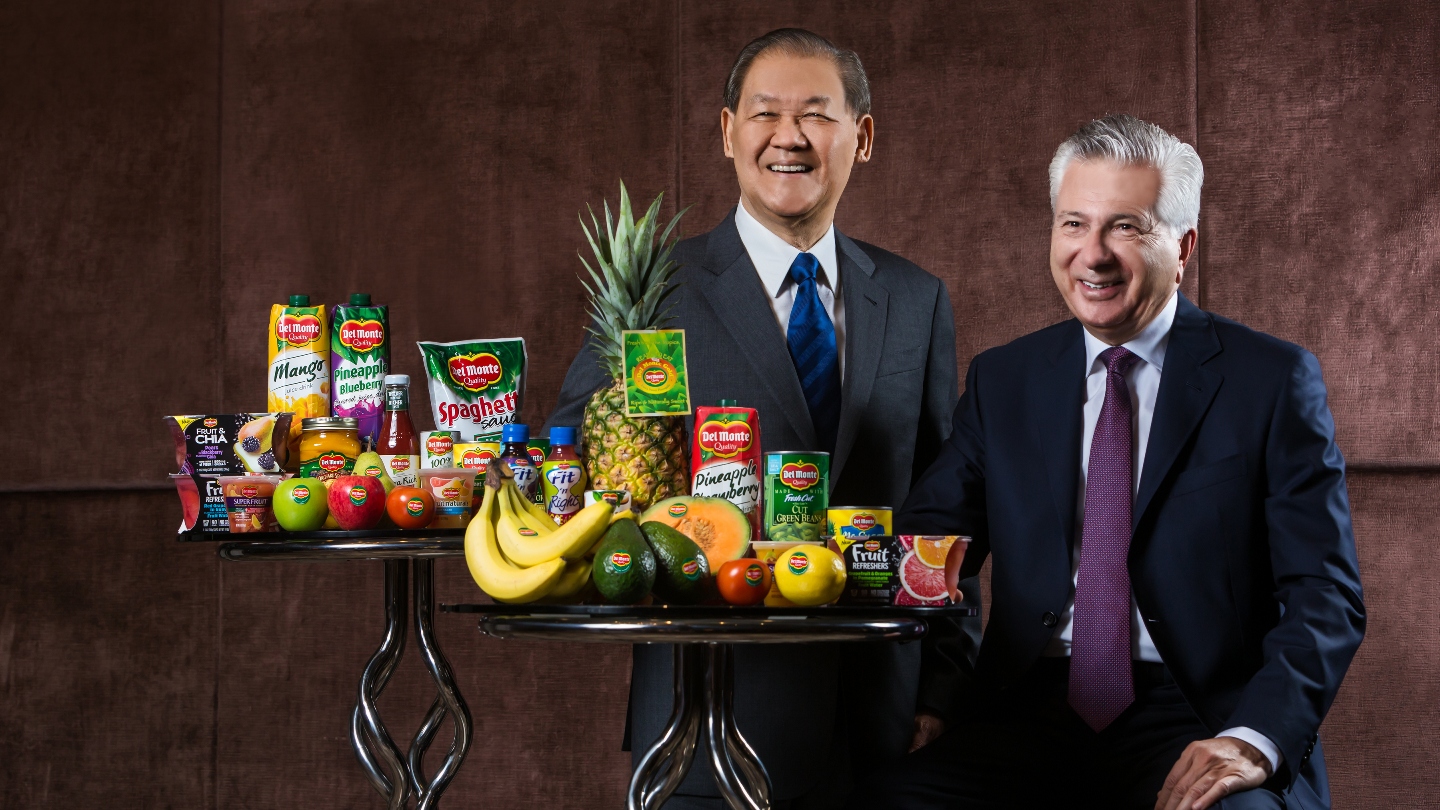
MANILA — Del Monte Philippines, Inc. (DMPI) reported a sweet performance in fiscal year 2025, showing that pineapples and packaged goods can still pack a punch in both domestic and global markets.
The company, a unit of Singapore- and Philippine-listed Del Monte Pacific Limited (DMPL), saw its earnings before interest, taxes, depreciation, and amortization (EBITDA) rise by 40 percent to ₱8.6 billion, as it rode on a surge in international sales and strong local demand.
Total sales climbed 14 percent year-on-year to ₱44.2 billion, with international markets contributing a hefty ₱19.5 billion—a 22 percent jump driven by exports of fresh pineapples and packaged products.
In North Asia, the brand not only increased its presence—it conquered it, boosting its market share for fresh pineapples to a commanding 53 percent.
The domestic front held its own as well, with Philippine sales rising 6 percent to ₱21.4 billion, fueled by steady demand for juices, fruits, and culinary staples.
Del Monte Juices staged a comeback with revitalized campaigns touting the health benefits of its 100% Pineapple Juice, marketing variants like Heart Smart, Fiber Enriched, and ACE as everyday wellness drinks rather than just refreshers.
New drinks such as Fruity Zing and Fit ‘n Right Green Apple added some fizz to the company’s performance, as Del Monte carved out more room in the highly competitive ready-to-drink market.
Not to be outdone, Del Monte Mixed Fruits found new life beyond the holiday table, rebranding itself as an everyday indulgence for Filipino households celebrating birthdays, milestones, or simply dessert time.
“Our strong performance this year reflects the power of connecting with consumers through purposeful, insight-driven marketing,” the company said in a statement.
Del Monte’s strategy was simple but effective: deepen consumer loyalty by making its products relevant in daily life, not just special occasions.
On the export front, DMPI’s growth was led by markets in China, South Korea, and Japan, where the premium S&W Deluxe Pineapple became a rising star, accounting for a growing share of fresh fruit exports.
The brand also saw solid gains in Europe and the Americas, where demand for packaged pineapple and industrial food products expanded steadily.
According to Luis Alejandro, DMPI President and Chief Operating Officer, the stellar fiscal performance was no accident.
“Our strong fiscal year 2025 results reflect the deep commitment and hard work of our team, and our relentless focus on consumer engagement, innovation, and cost efficiency,” Alejandro said.
“An EBITDA growth of 40% is not just a number—it’s a testament to our resilience and adaptability in an ever-changing business landscape,” he added.
Del Monte has been doubling down on its health-first branding and product innovation, key trends that have been accelerating in the food and beverage industry since 2020.
Global food and nutrition reports from 2021 to 2024 noted a steady shift toward functional beverages and plant-based alternatives, a market that Del Monte appears keen on dominating.
Looking ahead, DMPI aims to continue squeezing value from both domestic and export markets, while sharpening its edge with innovation and digital engagement strategies.
If pineapples were once just something you sliced at Christmas, Del Monte’s FY2025 performance proves they’re now a year-round recipe for success—and maybe even a corporate fruit bowl MVP.
The future of work has officially landed in Bohol.
International Workplace Group (IWG), the world’s largest provider of flexible workspace solutions, is launching its first-ever Regus center in the province this October — and it’s just the beginning of a larger national expansion.
The new Bohol location, opening in partnership with Uptown Tagbilaran Realty Corporation, will be situated in Tagbilaran City, the province’s capital and commercial hub.
This marks IWG’s debut in one of the Philippines’ fastest-growing regional economies, as it pushes toward a goal of 50 nationwide centers by the end of 2025.
IWG currently operates 39 centers across the country and plans to open at least 11 more before year’s end, with 14 additional locations already signed and either operational or scheduled to launch between late 2025 and 2026.
These new sites will span across Luzon, Visayas, and Mindanao, reflecting soaring demand for co-working spaces and hybrid office setups outside Metro Manila.
Among the upcoming locations are high-profile developments such as Cebu Exchange Tower, The Galleon in Ortigas, Century Diamond Tower in Makati, and Mabuhay IT Park in General Santos City.
The Bohol launch underscores a growing interest among professionals and startups in emerging cities, especially those with booming tourism and tech sectors.
Tagbilaran, located just 25 minutes from Panglao Island’s international airport, is quickly becoming a hub for IT-BPM and creative industries, fueled by a talent-rich pipeline from its 25 local universities.
Data from the Philippine Statistics Authority shows Bohol’s economy surged by 6.6% in 2024, with services accounting for nearly three-quarters of its ₱182.4 billion GDP.
Infrastructure upgrades like the planned expansion of the Bohol-Panglao International Airport — set to accommodate up to 3.9 million passengers by 2030 — are further propelling the province’s rise as a business destination.
“We’re not just expanding for expansion’s sake — we’re answering real, growing demand,” said Rowena Bravo-Natividad, Country Manager for IWG Philippines.
Companies, she explained, are increasingly seeking high-quality and accessible workspace options in fast-growing cities beyond Metro Manila.
The Bohol center will offer co-working areas, private offices, meeting rooms, and creative zones designed to serve professionals in tourism, tech, and small business sectors.
IWG’s rapid expansion isn’t just a Philippine phenomenon.
Globally, the company signed 899 new locations and opened 624 centers in 2024 alone — a record-breaking year that saw its revenue, EBITDA, and cash generation hit new highs.
“Demand for hybrid and flexible work is not slowing down — if anything, it’s picking up,” said Marc Descrozaille, IWG’s CEO for Middle East, Africa, and Asia Pacific.
He noted that businesses of all sizes are embracing flexible work models for the cost savings, agility, and improved employee well-being they offer.
Research from IWG and consultancy firm Arup shows that hybrid work can improve productivity by 11% and deliver average cost savings of $11,000 per employee annually.
With 83% of Fortune 500 companies already using IWG workspaces, the company projects that 30% of global commercial real estate will be dedicated to flexible workspaces by 2030.
That market represents a $2 trillion opportunity, fueled by the world’s 1.2 billion white-collar workers.
By entering emerging Philippine markets like Bohol and General Santos, IWG isn’t just planting flags — it’s helping redefine the way the nation works.
As more professionals ditch the daily commute for platform-based, location-independent work setups, IWG is betting big that the next great office might be by the beach.
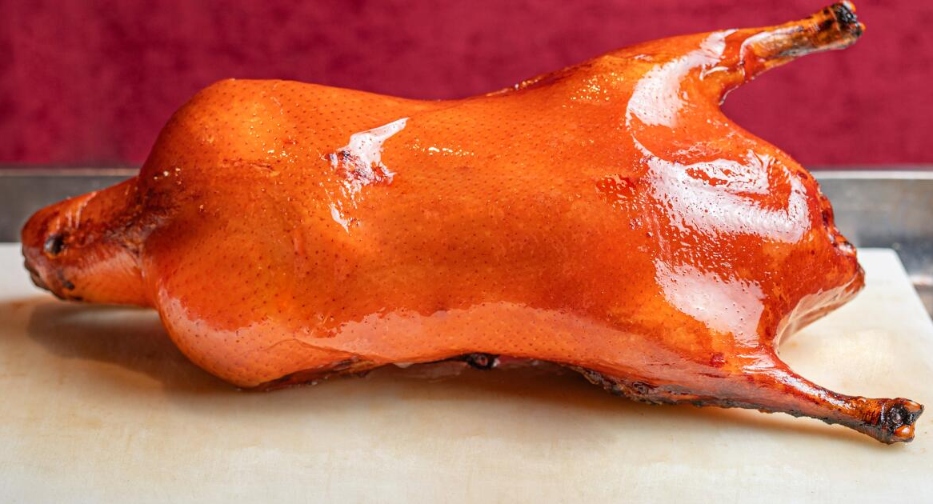
There’s something deeply luxurious and oddly primal about watching a glistening roast duck get carved tableside with surgical precision. In Manila, Peking duck isn’t just a meal—it’s a ritual of crisp skin, hoisin sauce, and paper-thin pancakes wrapped like edible presents. But let’s cut through the noise of overpriced photo-op restaurants and get down to where the duck is actually worth it.
Here are five of the best places in Metro Manila to get Peking duck, judged not by how pretty it looks on TikTok—but by how unapologetically delicious it is.
1. Lung Hin (Marco Polo Ortigas) – Sky-High Duck Done Right Forget the buffet chaos downstairs—Lung Hin is where the grownups eat. Located on the 44th floor, it serves authentic Cantonese dishes and arguably one of the most elegant Peking duck experiences in the city. The skin? Glassy and shatteringly crisp. The meat? Moist, flavorful, and carved with old-school reverence. Pro tip: Ask for the second course—the minced duck with lettuce wraps hits just as hard.
2. Gloria Maris (Greenhills) – The Old Money Duck This is the power-lunch Peking duck, the one ordered by men who don’t look at menus and women who already know what they want. Gloria Maris has long been the go-to for Chinese celebrations and political whisperings, and their duck lives up to the prestige. It’s not trendy. It’s not cute. It’s just really, really good. And yes, the chefs still roll out the duck with the quiet confidence of a champion boxer entering the ring.
3. No. 8 China House (Grand Hyatt Manila) – Luxury with Bite You’re not just getting duck here—you’re getting duck with a panoramic view, moody lighting, and the kind of service that makes you feel like a VIP even if you’re wearing flip-flops. The Peking duck is dry-aged, roasted in a wood-fired oven, and served with finesse. It’s not cheap, but neither is disappointment—and you won’t find that here.
4. Choi Garden (San Juan) – The Neighborhood Legend Choi Garden is where Chinese families go when they’re too tired to cook but too proud to settle for mediocrity. Their Peking duck is the culinary equivalent of a flex—it’s consistently excellent, even under the pressure of a full banquet hall. Expect crispy skin with just enough fat left to remind you this bird lived a good life.
5. Xin Tian Di (Crowne Plaza Ortigas) – Hidden Gem in Plain Sight Tucked inside an often-overlooked hotel, Xin Tian Di isn’t flashy, but its Peking duck delivers a solid one-two punch of flavor and texture. It’s a sleeper hit among those who’ve tried them all. The skin is lacquered perfection, and they don’t skimp on the trimmings. Ask for the Peking duck trio if you want skin, meat, and soup—all from one noble bird.
In a city obsessed with the next viral food trend, Peking duck remains a slow-roasted reminder that good things take time. Whether you’re celebrating something or just in the mood to feel a little extra, these five places serve duck that’s worth every calorie—and definitely every peso.
Just don’t forget to book ahead. The duck waits for no one.