Tag: South Africa

  • South Africa Decides Inflation Is Too Boring to Fix Quickly: Finance Minister Urges Patience While the Rand Watches Nervously

    South Africa Decides Inflation Is Too Boring to Fix Quickly: Finance Minister Urges Patience While the Rand Watches Nervously

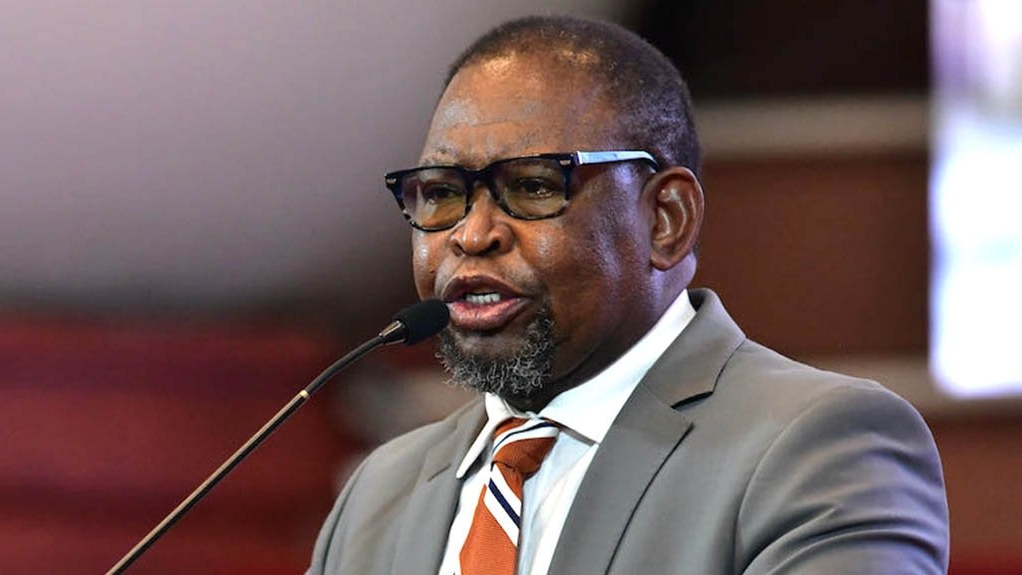
    South Africa’s finance minister Enoch Godongwana has a message for anyone hoping for decisive economic reform: calm down.

    While the South African Reserve Bank (SARB) has made it abundantly clear that it wants a lower inflation target – and has been screaming it into the void for years – Godongwana is urging everyone to take a deep breath and maybe a sabbatical before making any sudden moves.

    Speaking in parliament on Tuesday, Godongwana confirmed that, yes, work is indeed “progressing well” on the possibility of revising the inflation target. But don’t get too excited, because this isn’t something that will be rushed just because the SARB got a little giddy with their spreadsheets.

    “Such decisions should not be taken in haste,” Godongwana declared, wrapping his cautious optimism in a cocoon of bureaucratic caveats. He added that proper “technical and political engagements” are needed to form a “genuine consensus grounded in a thorough consideration of the social and economic realities.” Translation: don’t hold your breath.

    Currently, the inflation target sits between 3% and 6%, which is the monetary equivalent of playing darts with oven mitts. The SARB has been quietly, and sometimes not-so-quietly, advocating for a tighter 3% goal – you know, something resembling actual inflation control.

    Back in May, the central bank even modeled a 3% target during its policy announcement, saying it found the number “more attractive” than the fuzzy midpoint of the current range. How romantic.

    It seems like markets are ready to swipe right. Mere whispers of a lower target in the works were enough to send investor confidence and bond prices rising, as if economic seriousness might actually be on the menu for once.

    But not so fast. In South Africa, policy moves at the speed of molasses in winter. Especially when said policies require cooperation between independent institutions and politicians with differing agendas.

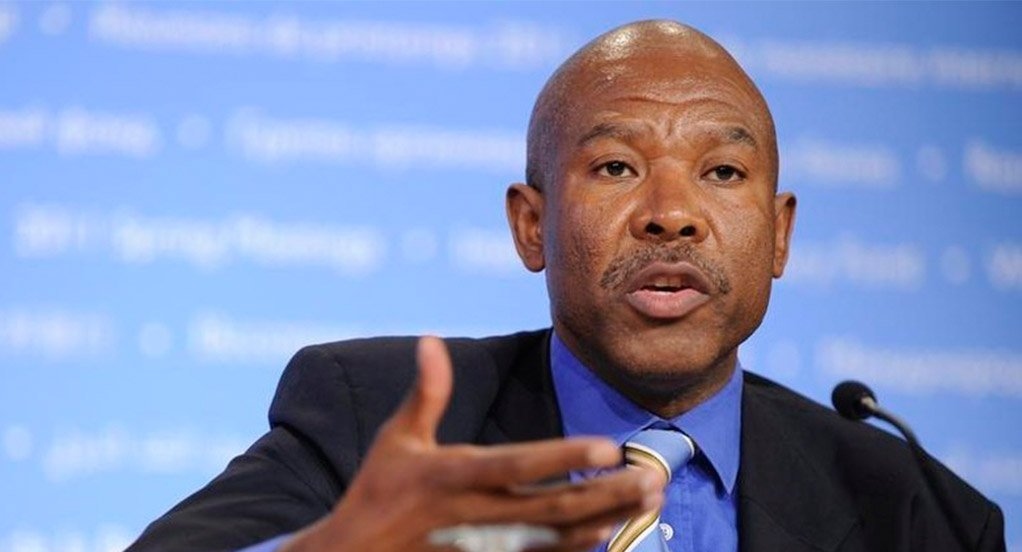
    Godongwana, for his part, appears less thrilled than SARB Governor Lesetja Kganyago about diving into the unknown waters of inflation targeting reform. While Kganyago has practically made a side hustle out of championing a stricter inflation regime, the finance minister is taking the “let’s workshop it” approach.

    To be fair, inflation is already below the current target, clocking in at a modest 2.8% in May. But that’s no reason to get complacent, considering South Africa’s track record of being one bad fiscal decision away from economic chaos.

    Analysts say tightening the inflation target could increase policy credibility and tame inflation expectations in the long term, giving the SARB a clearer mandate. “A lower, well-communicated inflation target is helpful if paired with disciplined fiscal policy,” said Annabel Bishop, chief economist at Investec, in a recent research note.

    Unfortunately, disciplined fiscal policy is as rare in South Africa as a pothole-free road.

    The SARB’s next monetary policy meeting is set for July 31, and while markets are hoping for more than just PowerPoint slides, the real decision on the target still lies with the finance minister. Which means, for now, we’re all just watching a very polite game of economic hot potato.

    In the meantime, investors can rest easy knowing that the country’s approach to inflation reform remains as carefully delayed and diplomatically overconsulted as ever. Because if there’s one thing South Africa excels at, it’s mastering the art of appearing busy while moving absolutely nowhere.

  • South Africa’s Strategic Reset: Ramaphosa Prioritizes U.S. Relations Amid Geopolitical Friction

    South Africa’s Strategic Reset: Ramaphosa Prioritizes U.S. Relations Amid Geopolitical Friction

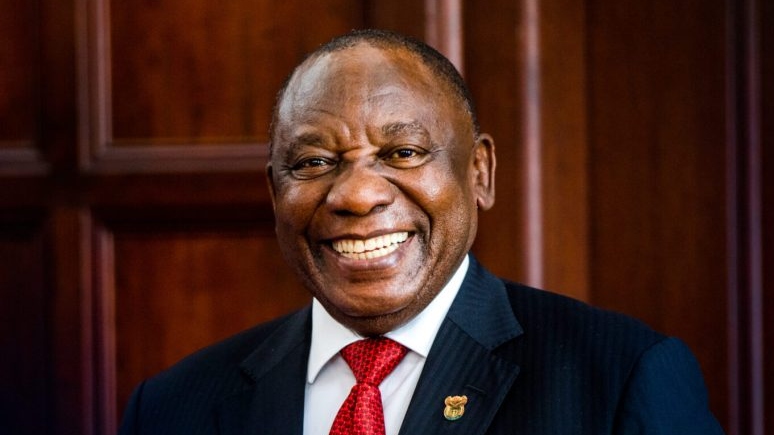
    In a decisive pivot toward safeguarding economic stability and global influence, South African President Cyril Ramaphosa has reaffirmed the nation’s commitment to strengthening ties with the United States — South Africa’s second-largest trading partner after China.

    This recalibration comes in the wake of heightened diplomatic tensions following the expulsion of South Africa’s ambassador to Washington, Ebrahim Rasool. U.S. Secretary of State Marco Rubio declared Rasool “persona non grata” after citing comments made during an online seminar, where Rasool characterized the ‘Make America Great Again’ movement as a “white supremacist response to growing demographic diversity in the United States.”

    While political friction escalated, Ramaphosa strategically underscored South Africa’s imperative to stabilize and enhance its U.S. relationship.

    The U.S. remains a critical economic pillar for South Africa, a country that exported over $15 billion worth of goods to the American market in 2024, spanning precious metals, automotive manufacturing, and agricultural commodities.

    “The United States is a vital economic partner,” stated Ramaphosa. “We will act decisively to ensure our bilateral relations remain on solid ground — this is not only a diplomatic necessity but an economic imperative.”

    For high-net-worth investors and corporate leaders, this shift signals a window of opportunity:

    • Trade Resilience and Expansion: South Africa’s intention to dispatch high-level business envoys to Washington aims to mitigate economic fallout and ensure uninterrupted access to American markets. Investors with exposure to South African exports — particularly platinum group metals, energy, and high-end agricultural products — should monitor diplomatic developments for potential tariff relaxations or new trade incentives.
    • Positioning South Africa as a Gateway to Africa: With South Africa presiding over the G20 this year, Ramaphosa’s diplomatic recalibration could solidify the nation’s role as a strategic gateway for U.S. businesses seeking access to the broader African market. This presents a compelling narrative for multinationals and private equity firms eyeing Africa’s $3.4 trillion African Continental Free Trade Area (AfCFTA).
    • Geopolitical Diversification for Global Portfolios: Given escalating tensions between the U.S. and China, South Africa’s dual alignment with both economic superpowers positions it uniquely for investors seeking diversified exposure to emerging markets. Ramaphosa’s renewed engagement with Washington may unlock bilateral investment flows and create avenues for infrastructure, tech, and renewable energy partnerships.
    • Soft Power and Corporate Diplomacy: Ramaphosa’s directive to mobilize South African business leaders as diplomatic envoys is a clear acknowledgment of the private sector’s influence in shaping international relations. This presents a strategic entry point for influential investors and corporations to engage directly in reshaping U.S.-South Africa economic ties.

    In the face of growing geopolitical volatility — from the Israel-Gaza conflict to G20 realignments — South Africa’s proactive stance signals more than diplomatic repair.

    For discerning investors and global businesses, this evolving dynamic holds the potential for market access recalibrations, trade route stability, and influential positioning within Africa’s fast-growing economy.

    Ramaphosa’s message is clear: South Africa will leverage economic pragmatism and high-level diplomacy to secure its role as a pivotal player in global markets.

    The question now is whether investors and business leaders will move swiftly enough to capitalize on the unfolding opportunities.

  • South Africa Unveils $54.5 Billion Infrastructure Plan to Boost Economy

    South Africa Unveils $54.5 Billion Infrastructure Plan to Boost Economy

    South Africa announced a three-year infrastructure investment plan worth over 1 trillion rand ($54.5 billion) to fuel economic growth.

    Finance Minister Enoch Godongwana revealed the plan during the 2025 budget speech in Cape Town, outlining key allocations across transport, energy, and water sectors.

    The breakdown includes 402 billion rand for transport and logistics, 219.2 billion rand for energy infrastructure, and 156.3 billion rand for water and sanitation projects.

    Major initiatives include 100 billion rand for road network maintenance and 19.2 billion rand for rail signaling upgrades.

    The country’s economy grew by only 0.6% in 2024, with projections averaging 1.8% from 2025 to 2027, far below the pace needed for sustained development.

    To address revenue gaps, the government proposed a gradual value-added tax (VAT) increase to 16% by 2026/27, aiming to generate 42.5 billion rand in additional revenue over two years.

    South Africa also plans to narrow its budget deficit to 3.5% by 2027/28, with debt expected to stabilize at 76.2% of GDP by 2025/26.