Tag: politics

  • Afghanistan’s Healthcare Collapse

    Afghanistan’s Healthcare Collapse

    The World Health Organization (WHO) has issued an urgent warning: over 80% of its supported healthcare services in Afghanistan are set to shutter by June 2025 without immediate financial intervention.

    This impending collapse threatens to deprive an additional 1.8 million Afghans of essential medical care, exacerbating an already precarious humanitarian crisis.

    Key Data Points:

    • 167 healthcare facilities have already ceased operations due to funding shortages.
    • 220+ more facilities face imminent closure, compounding the strain on an overburdened healthcare system.
    • 16,000+ suspected measles cases and 111 reported deaths in January and February alone — a staggering signal of public health deterioration.

    Strategic Insights for High-Impact Decision Makers:

    1. Humanitarian Infrastructure as a Geopolitical Lever: The evolving aid landscape — driven by a global recalibration of development priorities — presents a dual opportunity for private capital and international stakeholders. With the U.S. withdrawal from WHO and subsequent defunding of key programs, a power vacuum emerges. This creates an unprecedented opening for non-traditional actors, sovereign wealth funds, and philanthropic ventures to assert influence through healthcare stabilization initiatives.
    2. Investment in Crisis-Resilient Supply Chains: Afghanistan’s looming healthcare collapse underscores the fragility of medical supply chains in conflict zones. Strategic investors could capitalize on this disruption by backing resilient logistics networks, pharma supply innovations, and remote healthcare technologies — addressing both immediate humanitarian needs and long-term market positioning in frontier economies.
    3. NGOs and UN Agencies as Gateways to Market Presence: Afghanistan’s unrecognized Taliban-led government remains reliant on international NGOs and UN agencies to sustain its healthcare framework. Savvy investors can leverage partnerships with these entities to establish goodwill, operational footholds, and market access — positioning themselves as indispensable players in the region’s future recovery and economic reintegration.

    The Competitive Edge:

    For high-net-worth individuals, impact investors, and business leaders with a vision beyond conventional portfolios, Afghanistan’s healthcare crisis represents more than a humanitarian flashpoint — it’s a dynamic inflection point.

    By strategically aligning capital with aid infrastructure, investors can cultivate lasting influence, forge resilient market positions, and drive both social and financial returns in one of the world’s most volatile yet strategically significant regions.

    The time for action is now — before the global spotlight pivots and the opportunity dissipates.

  • Rwanda’s Diplomatic Split with Belgium Reshapes Regional Influence and Resource Control

    Rwanda’s Diplomatic Split with Belgium Reshapes Regional Influence and Resource Control

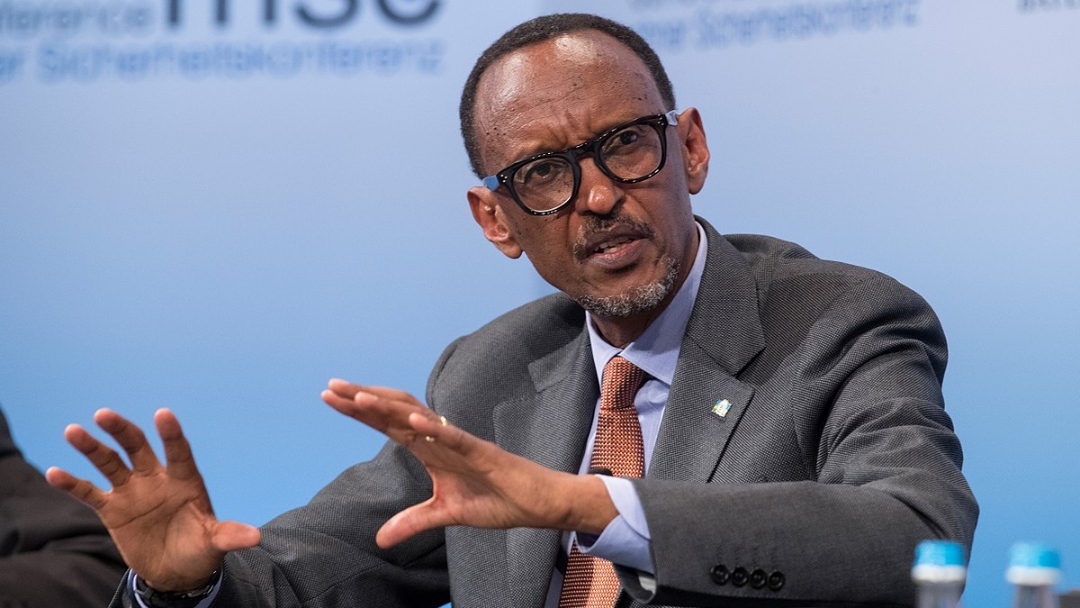
    In a decisive geopolitical maneuver, Rwanda has severed diplomatic ties with Belgium, citing persistent efforts by the European nation to undermine Kigali’s position amid the ongoing conflict in the Democratic Republic of Congo (DRC).

    This bold action signals a pivotal shift in regional power dynamics, with significant implications for investors, political strategists, and corporations with interests in Central Africa’s vast mineral wealth.


    Key Insights for Investors and Global Business Leaders:

    1. Resource Control and Strategic Positioning: The M23 armed group, widely believed to operate under Kigali’s influence, has seized two major cities in the mineral-rich eastern DRC — a region critical to global supply chains of cobalt, tantalum, and other rare minerals essential for technology and electric vehicle (EV) production. A UN report indicates Rwanda holds effective control over the group and maintains a force of 4,000 troops in the region, though Kigali denies involvement. For forward-looking investors, this signals a potential reshaping of the resource extraction landscape, with Rwanda emerging as a key power broker.
    2. Geopolitical Realignment and Business Implications: Rwanda’s move to cut ties with Belgium underscores a larger trend of African nations asserting autonomy from former colonial powers, redefining alliances, and seeking strategic partnerships outside traditional Western spheres of influence. Businesses with exposure to Central African markets — particularly in energy, infrastructure, and commodities — must reassess their risk models and supply chain resilience.
    3. Political Stability and Market Impact: Kigali frames the decision as a commitment to safeguarding national interests and regional stability, countering what it describes as Belgium’s manipulation to “secure an unjustified hostile opinion of Rwanda.” This narrative reinforces Rwanda’s image as a resilient, independent player. The expulsion of Belgian diplomats within 48 hours indicates a no-reversal stance, potentially accelerating regional fragmentation or prompting recalibrated diplomatic efforts from other global powers.
    4. Investment Opportunities Amidst Uncertainty:
      • Mining and Raw Materials: Rwanda’s evolving influence over mineral-rich territories could create new entry points for partnerships in the extraction and processing sectors.
      • Infrastructure and Logistics: Increased control over critical areas may drive demand for infrastructure development, transport, and logistics services, particularly those ensuring secure resource flow.
      • Technology and Renewable Energy Supply Chains: Companies reliant on rare minerals for semiconductors, batteries, and green technology must monitor this development closely, with potential for renegotiated supply agreements and alternative sourcing strategies.

    Strategic Takeaways:

    • First-mover advantage: Investors attuned to Kigali’s rising regional clout could gain early access to under-leveraged mineral markets.
    • Risk-reward recalibration: Businesses operating in or sourcing from the region must hedge against potential diplomatic aftershocks and supply disruptions.
    • Opportunity for alternative alliances: Emerging players seeking African footholds may find Rwanda an increasingly influential partner.

    This diplomatic fracture marks more than a political standoff — it’s a reshaping of Central African influence, mineral wealth control, and economic leadership.

    For high-net-worth investors and corporate leaders seeking to stay ahead of the curve, Rwanda’s assertive stance presents both high-stakes risks and unprecedented opportunities in a region poised for economic recalibration.

    Action Required: Monitor Kigali’s next moves, reassess resource investments, and anticipate emerging partnerships as Rwanda positions itself at the epicenter of Central Africa’s evolving economic and political landscape.

  • Race for the Blue Gold: Philippines Sparks Bid to Control West Philippine Sea’s Untapped Eco-Capital

    Race for the Blue Gold: Philippines Sparks Bid to Control West Philippine Sea’s Untapped Eco-Capital

    The Department of Environment and Natural Resources (DENR), in partnership with the Marine Environment and Resources Foundation, is set to launch an advanced biodiversity conservation research initiative at Recto Bank and Rizal Reef this April — a pivotal move with profound implications for high-net-worth investors, business leaders, and geopolitical strategists.


    Biodiversity as Economic and Sovereign Capital

    Recto Bank and the broader West Philippine Sea (WPS) ecosystem represent a significant — and increasingly contested — pillar of the Philippines’ economic resilience and national security.

    Currently contributing approximately 27% of the nation’s commercial fisheries production and harboring 30% of the country’s coral reefs, this maritime corridor is a critical node in both regional food security and global supply chains.

    Yet, aggressive incursions and illegal activities by foreign actors, notably China, endanger this high-value ecological and economic asset.


    Market Impact and Strategic Opportunity

    DENR Secretary Maria Antonia Yulo-Loyzaga, speaking at the inaugural all-women maritime security forum hosted by the Stratbase Institute alongside the Australian Embassy, positioned this research as a catalyst for unlocking the West Philippine Sea’s full economic and strategic value.

    “We expect to discover more and quantify the Philippine ecosystems’ untapped assets — a vital component of our natural capital and a key driver of sustainable growth,” Loyzaga asserted.

    The initiative aligns with a larger, data-driven vision to convert ecological assets into strategic economic advantages, reinforcing the Philippines’ maritime sovereignty while positioning the nation as a leader in oceanic resource management and carbon sequestration — a fast-emerging market segment with global revenue potential projected to exceed $2 trillion by 2030.


    Building a Scientific and Geostrategic Infrastructure

    The DENR’s blueprint includes the establishment of a marine scientific research station on Pag-asa Island, part of an eight-station network spanning the country’s diverse biogeographic zones.

    This network, alongside established sentinel stations like the Tubbataha Reef Ranger Station and the upcoming Verde Island Passage Station (developed with private sector and academic alliances), will serve as a high-value platform for international scientific collaboration.

    “These stations will function as scientific intelligence hubs, fostering strategic partnerships with global ocean science leaders from like-minded nations,” Loyzaga explained, emphasizing collaborations that uphold the rules-based international order.


    High-Level Bilateral Advantage: Australia as a Strategic Maritime Partner

    The initiative further embeds the Philippines within an evolving framework of regional security and economic diplomacy. Australia — a consistently trusted ally — reaffirmed its commitment to fortifying maritime security and ecosystem resilience in the West Philippine Sea, blending environmental leadership with geopolitical strength.

    Australian Ambassador Hae Kyong Yu underscored the imperative of inclusive leadership, citing the need for top talent, including female experts, to solve complex maritime challenges. This inclusive approach strategically complements the Philippines’ broader economic and security priorities.


    Positioning for Competitive Resilience

    Stratbase President Professor Dindo Manhit emphasized the dual-track value of environmental sustainability and national security, advocating for deeper, data-driven collaboration with trusted partners like Australia.

    “At Stratbase, we believe that securing the West Philippine Sea’s ecological wealth — through resilient partnerships and cutting-edge research — is paramount to ensuring the Philippines’ long-term economic and geopolitical positioning,” Manhit stated.

    The Armed Forces of the Philippines (AFP), through Spokesperson Col. Francel Taborlupa, reinforced this narrative, highlighting operational synergies with Australia in disaster response, joint maritime patrols, and capacity-building initiatives.

    “We are a peace-driven nation, safeguarding our territory within the framework of international law. Strengthening alliances with like-minded powers supports a free, open, and economically resilient Indo-Pacific,” Taborlupa concluded.


    Key Takeaways for Investors and Business Leaders:

    • Emerging Markets Access: The West Philippine Sea’s biodiversity potential and carbon sequestration capacity offer significant upside in eco-capital investments.
    • Strategic Infrastructure Play: The DENR’s scientific stations create long-term platforms for public-private partnerships and global research collaborations.
    • Geopolitical Risk Mitigation: Enhanced security partnerships with Australia provide stability and assurance for maritime investments in the region.
    • First-Mover Advantage: Early engagement with eco-capital ventures in the WPS positions investors at the forefront of a multi-billion-dollar sustainability market.

    For decision-makers seeking to balance financial foresight with environmental stewardship, the DENR’s biodiversity research initiative represents more than conservation — it’s a high-stakes economic and geopolitical asset waiting to be unlocked.

  • Japan’s Political Turmoil: Ishiba’s Plummeting Approval Signals Strategic Opportunity for Investors

    Japan’s Political Turmoil: Ishiba’s Plummeting Approval Signals Strategic Opportunity for Investors

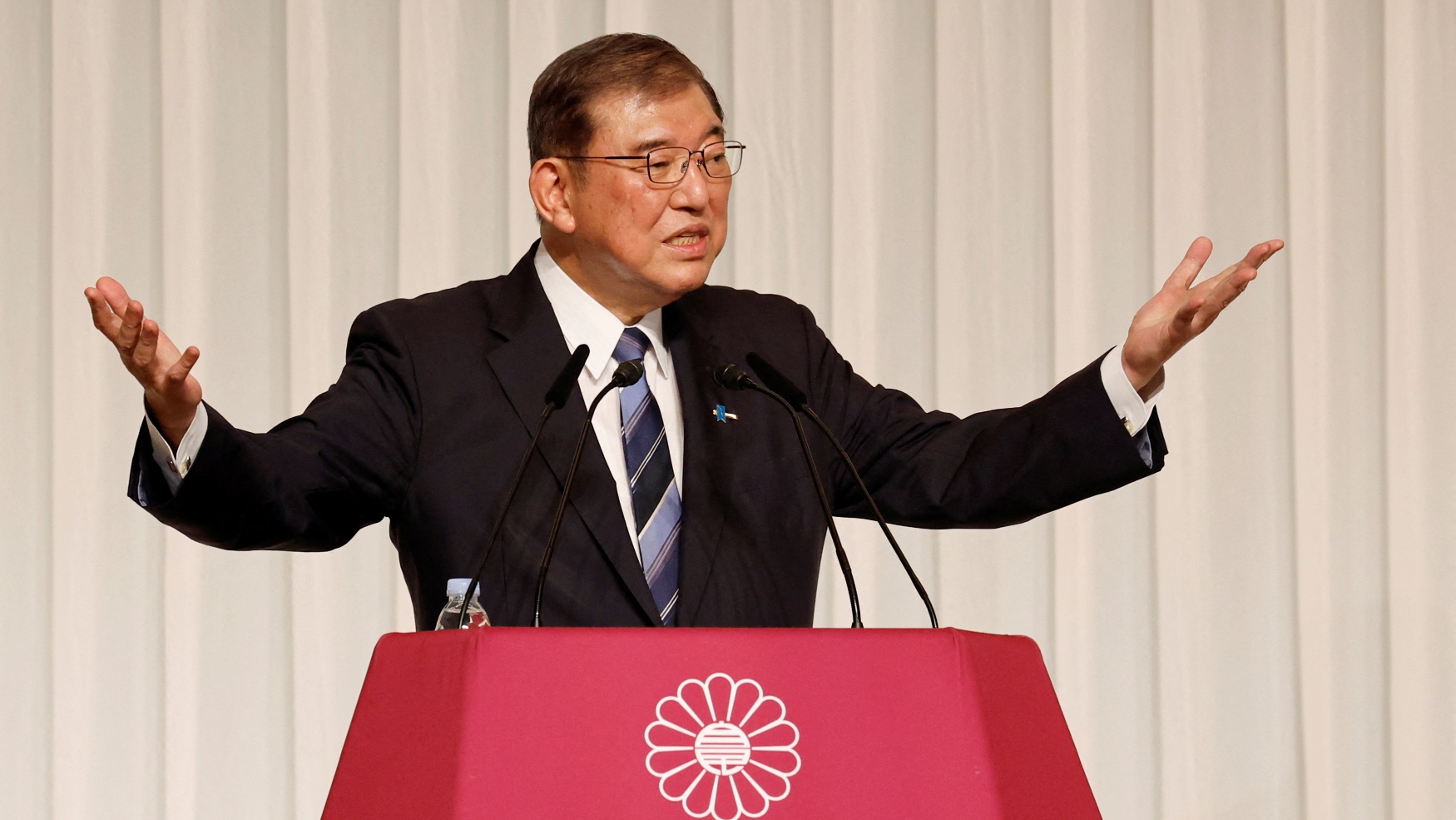
    In a sharp turn of events, Japanese Prime Minister Shigeru Ishiba’s approval ratings have plunged to historic lows amid a growing political scandal — a development that could reshape the nation’s economic and investment landscape.

    For high-net-worth investors and global business leaders, this moment demands a closer analysis of Japan’s shifting power dynamics and the emerging opportunities.


    Key Data Points:

    • Approval Ratings Collapse: Asahi Shimbun daily reports support for Ishiba’s cabinet has nosedived to 26%, a stark drop from 40% in February. Yomiuri Shimbun similarly shows a decline from 39% to 31% — both marking the lowest levels since Ishiba assumed office in October.
    • Public Backlash: 75% of voters in both polls view the controversial distribution of 100,000 yen ($670) gift vouchers to 15 rookie lawmakers as problematic, a move Ishiba insists was legal and personally funded.
    • Leadership Instability: Media reports signal potential internal pressure within the ruling Liberal Democratic Party (LDP) to force Ishiba’s resignation ahead of the crucial July upper house elections.

    Strategic Insights for Decision-Makers:

    1. Political Instability Breeds Market Volatility: With Japan’s leadership in turmoil, investors should anticipate short-term market fluctuations. Historically, such volatility in Japan’s equity markets has led to undervalued blue-chip opportunities and currency shifts favoring export-driven sectors.
    2. Legislative Gridlock Risks and Sectoral Opportunities: Ishiba’s coalition, weakened by the October snap election, now relies on opposition support to pass legislation. Sectors reliant on government subsidies or regulatory reform — energy, infrastructure, and technology — face potential slowdowns. Meanwhile, defensive sectors such as healthcare, consumer staples, and financial services may see heightened investor confidence.
    3. Potential Power Shift: With pressure mounting on Ishiba and internal LDP factions eyeing leadership, a successor may emerge with a more aggressive economic or industrial policy stance. Savvy investors should monitor contenders for signals of deregulation, pro-business reform, or stimulus strategies that could ignite sector-specific rallies.
    4. Currency and Trade Positioning: A weakened yen amidst political uncertainty could create tailwinds for export-heavy industries — automotives, electronics, and industrial manufacturing. Simultaneously, foreign capital inflows may pivot toward Japanese real estate and infrastructure plays, hedging against political shifts while capitalizing on currency devaluation.

    The Competitive Edge: For business leaders and global investors, Japan’s unfolding political saga presents a duality: risk and unrivaled opportunity. The sharp decline in Ishiba’s credibility accelerates the likelihood of leadership restructuring, regulatory shifts, and market recalibrations.

    Those who position early — leveraging market mispricing, currency trends, and sectoral resilience — stand to capitalize on a landscape reshaped by Japan’s evolving power dynamics.

    The question for forward-thinking investors isn’t whether Japan’s political landscape will shift — it’s how to strategically position for maximum upside when it does.

  • Guyana’s Oil-Rich Essequibo: Next Frontier for Global Energy Dominance?

    Guyana’s Oil-Rich Essequibo: Next Frontier for Global Energy Dominance?

    Guyana’s President Irfaan Ali has decisively shut down the prospect of face-to-face negotiations with Venezuelan President Nicolas Maduro over the disputed, resource-rich Essequibo region — a geopolitical flashpoint now positioned as one of the most lucrative energy assets on the global stage.

    Essequibo, covering two-thirds of Guyana’s landmass and home to 125,000 people, holds the world’s largest crude oil reserves per capita — a game-changing asset discovered in 2015 by ExxonMobil.

    With Exxon and other major players competing for prime stakes, Guyana’s recent oil block auctions have ignited a bidding war, elevating the country to an energy powerhouse.

    For high-net-worth investors, this conflict represents more than territorial politics — it signals a rare opportunity to secure early-mover advantage in an emerging energy hub.


    The Geopolitical Landscape: Risks, Rewards, and Realignments

    The resurgence of this border conflict, intensifying since Venezuela’s parliament attempted to declare Essequibo its 24th state in 2023, underscores a rapidly shifting geopolitical landscape.

    Ali’s refusal to engage with Maduro, citing Venezuela’s violation of the December 2023 Argyle Agreement, signals Guyana’s intent to leverage international arbitration — particularly through the UN’s International Court of Justice — to protect its sovereignty and resource control.

    Maduro’s rhetoric, branding Ali the “Zelensky of the Caribbean,” highlights the Kremlin-aligned leader’s positioning amid global power plays.

    Investors should monitor how this narrative intersects with sanctions, supply chains, and energy policy shifts, particularly as Venezuela deepens ties with Russia.


    Market Implications: Energy Wealth and Infrastructure Potential

    For strategic investors, Essequibo’s vast reserves offer a dual play: upstream oil extraction and downstream infrastructure development.

    With proven reserves and ongoing exploration, Guyana’s energy boom promises scalable output growth, providing leverage in global supply chains — particularly with Western markets seeking alternatives to Russian and Middle Eastern oil.

    In parallel, infrastructure opportunities are accelerating. Offshore extraction sites require robust logistical frameworks, from ports to processing facilities, making Guyana fertile ground for infrastructure investments spanning energy transport, industrial services, and support hubs.


    High-Stakes Takeaways for Investors and Business Leaders:

    • Energy Sector Upside: Early positioning in Guyana’s energy ecosystem — from oil production to infrastructure services — offers asymmetric returns, particularly as global supply chains seek diversification.
    • Geopolitical Leverage: Understanding Venezuela’s evolving alliances with Russia — and potential sanctions fallout — is essential to de-risking capital flows into the region.
    • Legal and Political Safeguards: Guyana’s reliance on international courts for territorial validation signals an environment where legal protections may align with Western-backed stability.

    Essequibo’s transformation from a disputed borderland into a global energy nexus is unfolding rapidly — and the strategic window for investors to capitalize on this shift may be narrowing.

    With Ali’s firm stance reshaping the balance of power, now is the time for decision-makers to evaluate entry points and competitive positioning in what could become the next energy super-region.

    For those prepared to navigate the geopolitical intricacies and secure early stakes, Essequibo presents not just an oil-rich frontier — but a future-defining strategic asset in the global energy landscape.

  • Who owns the Philippine data center boom?

    Who owns the Philippine data center boom?

    The Philippine data center industry’s rapid growth is steered by domestic telecom incumbents, local conglomerates in strategic partnerships, and global digital infrastructure investors building capacity to meet surging cloud, AI, and enterprise demand.

    PLDT’s data center arm VITRO Inc., under ePLDT, remains the largest domestic operator with more than a dozen facilities and multiple hyperscale campuses under development.

    Its current footprint includes major sites such as the 50‑megawatt (MW) VITRO Sta. Rosa campus with plans for larger builds exceeding 100 MW, anchoring roughly 40 percent of existing capacity.

    PLDT has signaled potential minority partner sales to unlock capital and manage leverage.

    Globe Telecom participates primarily through ST Telemedia Global Data Centres Philippines, a joint venture with Singapore‑based ST Telemedia Global Data Centres and Ayala Corporation.

    STT GDC is executing multi‑phase builds totaling more than 124 MW at its Fairview and Cavite campuses, positioning it as a top second operator by capacity.

    International colocation and hyperscale platform providers are expanding their Philippine presence. U.S.‑based Equinix acquired three local data centers from a domestic operator, bringing carrier‑neutral interconnection under its global footprint and accelerating enterprise and cloud service access.

    Singapore‑headquartered Digital Edge, backed by U.S. investor Stonepeak, operates certified facilities emphasizing sustainability and advanced cooling.

    Chinese cloud provider Alibaba Cloud plans a second Philippine data center as it responds to regional cloud demand and latency needs.

    Emerging ventures include joint initiatives such as AyalaLand Logistics Holdings with FLOW Digital Infrastructure in Biñan, and infrastructure developer Megawide’s partnership with Singapore’s Evolution Data Centres to build high‑capacity colocation facilities, reflecting property and construction groups diversifying into digital infrastructure.

    Converge ICT Solutions continues to build proprietary centers across Luzon and the Visayas to support its broadband and enterprise services.

    Market size and growth underscore the strategic stakes. Current data center revenue is projected at roughly $638 million to $744 million in 2025, with capacity between 560 MW and 632 MW, and expected to grow toward 1.3‑1.5 gigawatts by 2030 or 2028 as operators complete planned projects.

    The market could reach nearly $2 billion in value by 2030 on double‑digit compound annual growth rates. Colocation makes up the large majority of revenue, while hyperscale facilities and AI‑ready halls are attracting the largest incremental investment.

    Despite the rapid build‑out, the Philippines still lags regional peers in density, with higher population per MW served, signaling both runway and competitive pressure to attract global workloads beyond domestic demand.

    Energy constraints and costs remain a key operational risk, prompting operators to pursue renewable power procurement and efficiency innovations.

    Ownership patterns reflect a blend of local incumbents consolidating base load capacity, conglomerate partnerships providing capital and land access, and global digital infrastructure players capturing strategic footholds.

    For decision makers, the competitive landscape will hinge on securing power, connectivity, and interconnection ecosystems as well as navigating regulatory and geopolitical currents shaping foreign investment and data sovereignty imperatives.

  • Who owns the Philippine data center boom?

    Who owns the Philippine data center boom?

    The Philippine data center industry’s rapid growth is steered by domestic telecom incumbents, local conglomerates in strategic partnerships, and global digital infrastructure investors building capacity to meet surging cloud, AI, and enterprise demand.

    PLDT’s data center arm VITRO Inc., under ePLDT, remains the largest domestic operator with more than a dozen facilities and multiple hyperscale campuses under development.

    Its current footprint includes major sites such as the 50‑megawatt (MW) VITRO Sta. Rosa campus with plans for larger builds exceeding 100 MW, anchoring roughly 40 percent of existing capacity.

    PLDT has signaled potential minority partner sales to unlock capital and manage leverage.

    Globe Telecom participates primarily through ST Telemedia Global Data Centres Philippines, a joint venture with Singapore‑based ST Telemedia Global Data Centres and Ayala Corporation.

    STT GDC is executing multi‑phase builds totaling more than 124 MW at its Fairview and Cavite campuses, positioning it as a top second operator by capacity.

    International colocation and hyperscale platform providers are expanding their Philippine presence. U.S.‑based Equinix acquired three local data centers from a domestic operator, bringing carrier‑neutral interconnection under its global footprint and accelerating enterprise and cloud service access.

    Singapore‑headquartered Digital Edge, backed by U.S. investor Stonepeak, operates certified facilities emphasizing sustainability and advanced cooling.

    Chinese cloud provider Alibaba Cloud plans a second Philippine data center as it responds to regional cloud demand and latency needs.

    Emerging ventures include joint initiatives such as AyalaLand Logistics Holdings with FLOW Digital Infrastructure in Biñan, and infrastructure developer Megawide’s partnership with Singapore’s Evolution Data Centres to build high‑capacity colocation facilities, reflecting property and construction groups diversifying into digital infrastructure.

    Converge ICT Solutions continues to build proprietary centers across Luzon and the Visayas to support its broadband and enterprise services.

    Market size and growth underscore the strategic stakes. Current data center revenue is projected at roughly $638 million to $744 million in 2025, with capacity between 560 MW and 632 MW, and expected to grow toward 1.3‑1.5 gigawatts by 2030 or 2028 as operators complete planned projects.

    The market could reach nearly $2 billion in value by 2030 on double‑digit compound annual growth rates. Colocation makes up the large majority of revenue, while hyperscale facilities and AI‑ready halls are attracting the largest incremental investment.

    Despite the rapid build‑out, the Philippines still lags regional peers in density, with higher population per MW served, signaling both runway and competitive pressure to attract global workloads beyond domestic demand.

    Energy constraints and costs remain a key operational risk, prompting operators to pursue renewable power procurement and efficiency innovations.

    Ownership patterns reflect a blend of local incumbents consolidating base load capacity, conglomerate partnerships providing capital and land access, and global digital infrastructure players capturing strategic footholds.

    For decision makers, the competitive landscape will hinge on securing power, connectivity, and interconnection ecosystems as well as navigating regulatory and geopolitical currents shaping foreign investment and data sovereignty imperatives.

  • Are we ready for the US Presidential Elections?

    Are we ready for the US Presidential Elections?

    “The Philippines should prepare for the impact of the U.S. elections on the Philippines and the world,” Chair of the Senate Committee on Foreign Relations, Senator Imee R. Marcos emphasized.

    She noted that U.S. policies on immigration, investments, and defense could undergo rapid and significant shifts following the 2024 presidential elections. 

    With nearly 4.5 million Filipino Americans living in the United States, including both U.S. citizens and residents of Filipino origin, Senator Marcos emphasized the need for a peaceful and orderly electoral process.

    She stated, “The political and economic stability of the U.S. is integral to world economic stability,” highlighting the Philippines’ responsibility to protect its economy and citizens. She noted that any U.S. president will naturally prioritize American interests, underscoring the importance of vigilance in safeguarding the Philippines’ own interests.

    She said that stricter U.S. immigration policies could lead to the deportation of thousands of undocumented Filipinos, while efforts to bring American companies back onshore may decrease direct investments and reduce BPO jobs in the country.

    The senator also expressed concern that, even under the current U.S. “friend-shoring” policy, the Marcos administration has continued to miss out on major foreign investments. Consequently, the manufacturing sector in the Mactan Export Processing Zone and other ecozones has been “languishing.”

    Earlier this year, American multinational consumer goods corporation Procter & Gamble announced plans to invest USD 100 million to expand its factory production in Vietnam. Meanwhile, Microsoft revealed plans for investments in artificial intelligence and cloud facilities worth USD 1.7 billion in Indonesia, and Google committed USD 1 billion to Thailand for building a data center and accelerating AI growth.

    The Philippines, however, missed out on these major foreign investments, raising concerns over the country’s competitiveness in attracting multinational corporations.

    “Aside from boosting domestic demand, we must also attract investments into the country and revive our manufacturing sector. To do that, we must make our country attractive to investors by bringing down the power cost and making it easier for them to avail the incentives that we are currently offering,” Marcos added.

    On the topic of defense, Marcos maintained that it is unclear whether the next U.S. president will continue the aggressive expansion of U.S. military presence in the Philippines and maintain the current level of defense funding assistance.

    According to Senator Marcos, given this uncertainty, the government should fully implement the Self-Reliant Defense Posture Revitalization Act as soon as possible for the country to be capable of fending for itself.

  • Caught Red-Handed: OLAF’s Crackdown on Illegal Chemical Exports to Russia

    Caught Red-Handed: OLAF’s Crackdown on Illegal Chemical Exports to Russia

    The European Anti-Fraud Office (OLAF) has made significant strides in enforcing EU sanctions against Russia through Operation “Probirka.”

    This operation led to the arrest of four individuals involved in the illegal export of chemicals to Russia and the seizure of 13 tons of restricted substances.

    Since Russia’s invasion of Ukraine in 2022, the EU has implemented stringent sanctions, including comprehensive bans on specific goods.

    OLAF has played a crucial role in monitoring trade flows and investigating attempts to circumvent these sanctions.

    Collaborating with Spanish authorities, OLAF uncovered that certain companies were rerouting goods through intermediaries in Kyrgyzstan destined for Russia.

    The agency meticulously gathered export data from various EU member states, providing vital evidence to confirm these illicit transactions.

    Ville Itälä, OLAF’s Director-General, highlighted the importance of data synergy among national authorities to enhance sanction enforcement.

    The investigation led to arrests in Catalonia, where three suspects were Russian nationals.

    A Spanish company managed by Russian nationals orchestrated a sophisticated scheme involving shell companies to disguise the true destination of the chemicals.

    OLAF’s ongoing efforts aim to dismantle this smuggling network and ensure compliance with EU sanctions.

  • OA Global Dominion Cup 2024 

    OA Global Dominion Cup 2024 

    By: Paulo Abad 

    Singer-songwriter and OPM legend, Ogie Alcasid, together with Global Dominion, once again hosted this year’s OA Global Dominion Golf Cup.

    The sports event, which was held in Valley Golf and Country Club, was participated by Global Dominion leaders and executives, partners, and celebrities connected to the birthday celebrator, Ogie Alcasid. 

    Partners/Sponsors: 

    • ALFC Insurance Agency 
    • Annapolis 
    • Fly Manila 
    • Em-Core 

    Winners: 

    • Nearest to the Pin – Ike Gangoso 
    • Most Accurate Drive – Ella Vonau 
    • Longest Drive – Rafael Magic 
    • Guest Division Champion – Gen. Mike Perez 
    • Individual Monthly Champion – Kier Legaspi 
    • Overall Team Champion – Blue Team 

    “Good morning. Thank you to all the participants. Thank you for coming here, and celebrate the birthday tournament of our dear brother, Ogie Alcasid. Bro, happy, happy birthday! Tagal na nating magkapatid. Thank you for being an ambassador of Global Dominion, and because of you, business is doing good. And again, I welcome everyone to this OGIE second birthday tournament sponsored by Global Dominion. I love you, bro.,” said Global Dominion chairman, Ruben Y. Lugtu II. 

    “I’d like to congratulate Global Dominion for sponsoring this tournament. Happy, happy birthday also to Mr. Ogie Alcasid. And, you know, we look forward to your support of Global Dominion as it continues to finance small and medium enterprises. Thank you very much for your presence, and enjoy yourselves, guys. See you on the fairway.,” said Global Dominion CEO, Robert B. Jordan Jr. 

    “Happy birthday, Ogie! And congratulations to all those who made this event a success. Congratulations also to all the winners. We hope to see you again next year. Congratulations, everyone, and enjoy the rest of the afternoon.,” said Global Dominion president and managing director, Patricia Poco-Palacios. 

    “Hey, everybody! Ogie Alcasid here. And today, August 20th, 2024, we are having the OA Global Dominion Cup. So I just want to welcome all the participants, all our guests, to this great, great tournament. Let’s have fun today. God bless us all. Ako po ay nagpapasalamat sa ating mga sponsors for supporting the OA Global Dominion Cup. Kung hindi po dahil sa inyo, hindi po matutuloy itong tournament na ito. I hope you support every OA Global Dominion Cup so that we can have fun and have that partnership—Enduring partnership. Well, that’s it, guys. Today was epic. We had so many celebrities coming today, we have so many participants today. And congratulations to all the winners—from our champion to our first runner-up, Class A, and Class B champions. And on to our next OA Global Dominion Cup. I hope you support us again. Thank you very much. God bless us.,” said Ogie Alcasid. 

    This year, the organizing committee went to the extent of applying the insights gained from last year’s experiences, dedicating more time to preparation, planning, and execution. 

    Global Dominion has been in the lending and financing business since 2003, and its purpose is to ignite and accelerate growth in people and organizations to transform lives for the better. Visit gdfi.com.ph to learn more about Global Dominion.