This Christmas season, Philips Lighting brings brighter homes within closer reach of Filipino families with a nationwide price markdown of up to 50% across selected LED lighting products.
More than a seasonal offer, this initiative represents a long-term commitment to making trusted, energy-efficient lighting more affordable for households across the Philippines.
As families prepare their homes for festive gatherings, shared meals, and everyday moments, Philips Lighting aims to support Filipinos in creating spaces that feel warmer, safer, and more welcoming without compromising on quality or performance.
“Christmas is about family, comfort, and the joy of coming home,” said Paolo Royol, Commercial Leader for Consumer Business, Philips Lighting Philippines. “By lowering our prices nationwide, we want more Filipino families to enjoy brighter homes that support their daily lives, not just during the holidays, but well beyond them. This is our way of making quality lighting more accessible and meaningful for everyone.”
Nationwide Price Markdown Highlights
Filipino consumers can now enjoy reduced prices on the following Philips Lighting products nationwide:
High Lumen Bulbs – up to 54% off
Essential Bulbs Mini – up to 13% off
Essential LED Bulb A-Shape – up to 28% off
Ecofit TLED (Single Ended) – up to 33% off
Ecofit TLED (Double Ended) – up to 33% off
Designed for energy efficiency and long-lasting performance, these products help families reduce energy consumption while enjoying dependable brightness across living spaces, kitchens, work areas, and shared family zones.
Lighting Homes, Supporting Filipino Dreams
This nationwide price markdown reflects Philips Lighting’s enduring commitment to Filipino households, helping turn everyday spaces into brighter homes where memories are made and dreams grow.
As Christmas lights fill homes and communities across the country, Philips Lighting continues to deliver on its promise: to bring light that cares, inspires, and lasts, now made more affordable for Filipino families nationwide.
ZTE Corporation, a global provider of information and communication technology solutions, has recently announced that it earned RMB 60.70 billion in revenue for the first half of 2023, which is a 1.5% increase compared to the same period last year.
Edge data centers are reshaping connectivity in Southeast Asia by shifting computing power closer to users, directly addressing chronic latency, uneven infrastructure, and rising data demand that centralized regional hubs can no longer absorb efficiently.
The pressure is structural. Southeast Asia’s internet economy generated about $218 billion in gross merchandise value in 2023 and is projected to surpass $300 billion by 2030, as outlined in the Google, Temasek, and Bain e-Conomy SEA reports, driving exponential growth in latency-sensitive traffic from e-commerce, streaming, payments, and cloud services.
Historically, much of this traffic has been routed to hyperscale data centers in Singapore or Hong Kong. Network performance data published by Akamai shows this architecture can add 30 to 80 milliseconds of latency for users in Indonesia, the Philippines, and Vietnam, with delays widening sharply outside capital cities.
AI isn’t just hype—it’s reshaping data centers with predictive maintenance, smarter cooling, and major cost savings.
Michael Alexander, MD of Tangible Digital, tells me it’s a quiet revolution making operations greener and more profitable.#AI#DataCenters#Sustainability
Edge data centers change this equation by localizing compute, storage, and caching within national or metro-level facilities. Performance measurements disclosed by Akamai and Google Cloud show latency reductions of roughly 30 to 50 percent when workloads are served from in-country edge locations instead of regional hubs.
This impact is most visible in consumer services. Regional content delivery operators report buffering reductions of about 20 to 30 percent during peak hours once video is cached locally, improving completion rates in mobile-first markets where users quickly abandon slow streams.
Gaming provides a clear performance threshold. GSMA technical standards indicate competitive multiplayer gaming requires latency below 50 milliseconds. Measurements published by Indonesia Internet Exchange and PHOpenIX show that edge-enabled routing has reduced average latency in secondary cities from above 80 milliseconds to under 40 milliseconds.
Financial services add another layer of urgency. Southeast Asia processes billions of real-time transactions each year through systems such as BI-FAST in Indonesia and InstaPay in the Philippines. McKinsey digital payments benchmarks show that local edge processing shortens transaction completion times by 15 to 25 percent and reduces timeout-related failures.
Irina Maltseva, Growth lead at @Aura_Protects , a company helping families safeguard themselves against identity theft, scams, and online threats, paints a sobering picture of how digital threats are evolving and what organizations can do to stay ahead.https://t.co/Samtsikfes
Enterprise demand follows the same logic. World Economic Forum case studies on manufacturing and port automation show performance degradation once latency exceeds 20 milliseconds, making centralized cloud architectures unsuitable for real-time analytics, robotics, and predictive maintenance.
These use cases align with telecom strategy. GSMA Intelligence research notes that many commercial 5G applications, including private enterprise networks and augmented reality training, target end-to-end latency below 10 milliseconds, achievable only with localized edge compute.
Economically, edge infrastructure reduces reliance on international backhaul and submarine cable capacity. Regulatory filings from operators in Indonesia and the Philippines show offshore routing remains a material cost driver when domestic traffic is processed abroad.
Regulation reinforces the shift. Indonesia’s Personal Data Protection Law and Vietnam’s cybersecurity regulations require sensitive data to be stored and processed domestically, turning local edge capacity into a compliance requirement rather than a performance upgrade.
The constraint is capital. Research from Arizton and Structure Research projects double-digit annual growth in Southeast Asia’s edge data center capacity through 2030, requiring dense deployment of power, cooling, and fiber in secondary cities with uneven infrastructure.
Taken together, edge data centers are evolving from optimization tools into core infrastructure, narrowing performance gaps, lowering network costs, and redefining how connectivity scales across Southeast Asia’s digital economy.
ChatGPT has surpassed $3 billion in global consumer spending on mobile, according to estimates from app intelligence provider Appfigures, marking a major milestone since the app’s launch on iOS in May 2023.
Analysts say this rapid growth highlights the accelerating adoption of AI-powered applications among everyday users.
The majority of spending occurred in 2025, with consumers estimated to have spent $2.48 billion on ChatGPT mobile this year, a 408% increase from the $487 million spent in 2024.
In its first year of availability, the app earned $42.9 million, before surging more than tenfold to reach the 2024 total.
Appfigures emphasized that ChatGPT reached the $3 billion milestone in just 31 months, faster than TikTok, which took 58 months, and ahead of streaming apps like Disney+ and HBO Max, which reached the same figure in 42 and 46 months respectively.
Industry experts note that ChatGPT’s spending trajectory reflects broader trends in AI adoption, with users increasingly paying for premium services. ChatGPT mobile offers paid subscriptions such as ChatGPT Plus at $20 per month and ChatGPT Pro at $200 per month for advanced users.
Analysts point out that while these subscriptions are a major revenue source, AI apps have additional monetization pathways, including developer offerings and potential advertising. ChatGPT recently launched its own app store, which company representatives have indicated may generate revenue in the future.
Comparisons with other AI platforms show similar trends. xAI’s Grok, launched in late 2023 for X Premium Plus subscribers and broadly available in 2024, has seen a spending trajectory close to ChatGPT’s early growth, while Anthropic is focusing on enterprise customers and is projected to reach $70 billion in revenue by 2028.
Google is exploring the integration of AI into its advertising model, including placing ads in AI Mode, AI Overviews, AI shopping, and AI-powered Discover. Analysts suggest these developments indicate a rapidly evolving market where AI apps are emerging as significant revenue drivers across both consumer and enterprise sectors.
The ChatGPT milestone underscores the increasing willingness of users to pay for AI-enhanced tools and signals continued competition among AI platforms to capture consumer attention and spending.
Homegrown fashion giant Penshoppe is ushering in a new era of comfort and connection with its latest campaign, “Cozy Days Ahead.” https://t.co/58q4DJoY1w
Sophos, a global leader of innovative security solutions for defeating cyberattacks, has launched Sophos Firewall v22.
The update enhances Sophos’ Secure by Design pledge with a brand-new Health Check feature and several other security enhancements:
• Health Check – Sophos Firewall OS v22 checks dozens of different configuration settings and compares them with CIS benchmarks (Center for Internet Security) and other best practices, providing immediate insights into areas that may be at risk.
• Hardened kernel – The next-gen Xstream Architecture in Sophos Firewall OS is built upon a new hardened kernel (v6.6+) that provides enhanced security, performance, and scalability to maximize current and future hardware.
• Remote integrity monitoring – Sophos Firewall OS v22 now integrates Sophos XDR Linux Sensor that enables real-time monitoring of system integrity, including unauthorized configuration, rule exports, malicious program execution attempts, file tampering, and more.
• Improved workload isolation – With Sophos’ next-gen Xstream Architecture, SFOS v22 introduces an all-new control plane re-architected for increased defense-in-depth and scalability. The new control plane enables modularization, isolation, and containerization of services.
• Enhanced anti-malware engine – Sophos Firewall OS v22 integrates the latest Sophos anti-malware engine with enhanced zero-day, real-time detection of emerging threats using global reputation lookups.
“Over the last several releases, we have continued to invest in implementing Secure by Design principles into all our products, including Sophos Firewall”, said Sophos CISO Ross McKerchar.
As with every firewall release, Sophos Firewall v22 is a free upgrade for Sophos Firewall customers with Enhanced or Enhanced Plus Support and should be applied to all supported firewall devices as soon as possible.
Additional details can also be found in this Sophos blog article. For more information about Sophos products and services go to https://www.sophos.com.
Homegrown fashion giant Penshoppe is ushering in a new era of comfort and connection with its latest campaign, “Cozy Days Ahead.” https://t.co/58q4DJoY1w
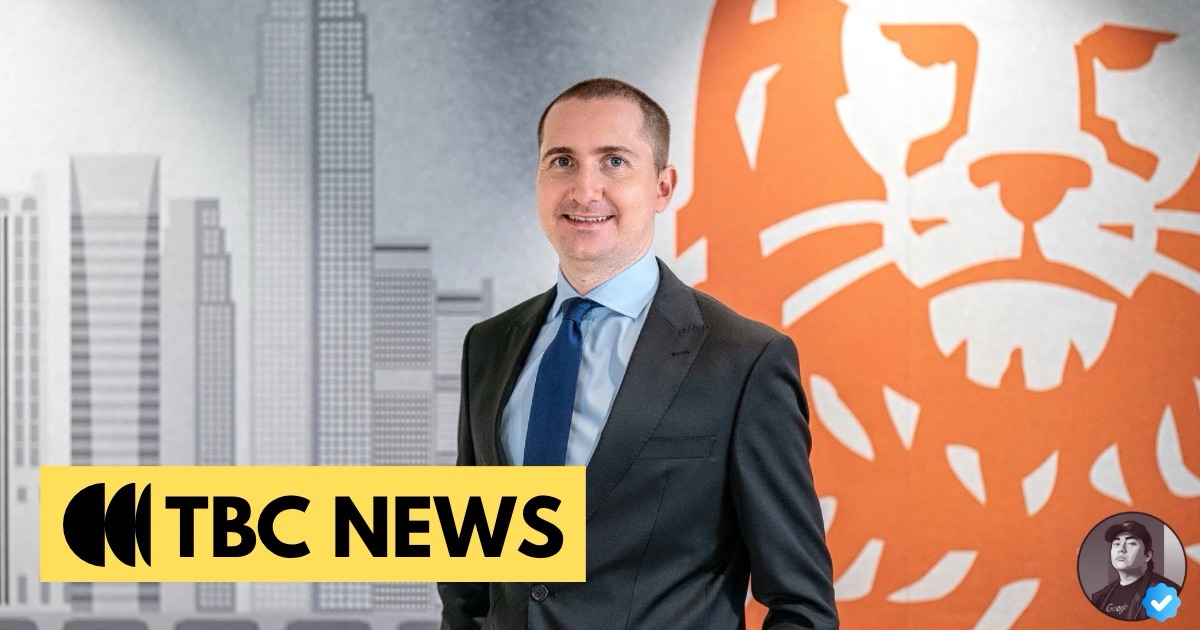
ING has released its Asia Outlook 2026 and Commodities Outlook 2026 reports, outlining how Asia’s 2025 growth surprise, driven by exports and tech investment, is set to moderate next year as global demand and trade volumes soften.
Even so, the report sees “pockets of opportunity” in Asian bond and FX markets as inflation remains benign with anticipated rate cuts, a weaker US dollar, and a generally soft energy and food price backdrop.
External demand outperforms, domestic demand lags
Asia’s 2025 expansion was driven overwhelmingly by external demand and technology rather than domestic spending. Tech-exporting economies like Taiwan and Singapore far exceeded forecasts, while the Philippines joined other domestically-driveneconomies like India in underperforming expectations.
Despite muted inflation throughout the year, household consumption across the Philippines remained weak, reflected in softening retail sales growth and moderating wage increases amid rising labor force participation.
Within trade, AI‑related goods were the standout driver of global trade in the first half of 2025, with trade in this category surging by more than 20% year‑on‑year and Asia accounting for nearly two‑thirds of that growth.
In contrast, non‑AI goods trade rose less than 4%, underscoring subdued investment outside tech and the drag from Chinese overcapacity on Southeast Asian manufacturing and capital spending.
“Asia’s 2025 story was all about exports and technology doing the heavy lifting while consumers stayed cautious,” said Deepali Bhargava, ING’s chief economist and regional head of Research for Asia‑Pacific (APAC).
Philippines: Exports resilient but domestic headwinds weigh on growth
Recent US tariff adjustments provide some near-term relief for the Philippines: the rollback of tariffs on roughly 200 food items supports Philippine agricultural exporters.
However, broader US tariffs—at around 19% for a large share of Philippine goods—are still expected to weigh on 2026 trade performance.
Domestically, several factors contributed to softer momentum in 2025. Governance-related investigations have dampened business sentiment, while public infrastructure spending slowed in the third quarter.
These short-term headwinds added to structural challenges: the software/BPO sector—traditionally a growth engine—remains heavily concentrated in voice-based services vulnerable to AI-driven automation, and the country has lagged peers in attracting manufacturing FDI despite regional supply-chain diversification.
ING notes that while the slowdown in government spending may drag on near-term growth, the administration’s strong anti-corruption stance is a longer-term positive.
Improved governance typically supports investor confidence and strengthens the environment for capital spending.
“As long as confidence returns and public investment picks up later, these efforts should ultimately support a more sustainable growth path,” Deepali noted.
Homegrown fashion giant Penshoppe is ushering in a new era of comfort and connection with its latest campaign, “Cozy Days Ahead.” https://t.co/58q4DJoY1w
Inflation across Asia fell sharply in 2025, largely due to a substantial easing in food prices, and is expected to rise only modestly from cyclical lows in 2026.
Inflation should remain within central bank targets in 2026, allowing rate-cutting cycles to continue in India, Indonesia, the Philippines, Taiwan and China, and supporting a generally easier monetary stance across the region.
However, ING cautions that if inflation were to undershoot expectations, real interest rates could rise again, creating a more challenging environment for both business investment and consumer demand.
“In 2026, growth will no longer be flattered by the same surge in trade and tech, but lower inflation, targeted fiscal support and a friendlier FX backdrop mean investors can still find pockets of value,” Deepali said.
Reinforcing this picture, ING’s newly published Commodities Outlook 2026 highlights that the global oil market is set to move into a sizeable surplus next year as OPEC+ rapidly brings supply back, with Brent crude forecast to average around USD 57 a barrel in 2026.
Grain prices have also likely found a floor after record harvests and more comfortable stock levels, with only a gradual tightening expected later in the outlook period. Taken together, these projections point to a relatively benign commodity backdrop for 2026.
“What’s been remarkable this year is how little oil prices have reacted to very real geopolitical shocks,” said Warren Patterson, ING’s head of Commodities Strategy for APAC. “With inventories rising and OPEC+ restoring supply, we see the market moving into a comfortable surplus next year and Brent averaging about USD 57.”
Tariffs, supply chains, and sector winners
Recent US tariff negotiations have narrowed the tariff gap between China and the rest of Asia, reducing simple “tariff arbitrage” advantages but not reversing deeper supply‑chain shifts.
Asia and Europe are drawing closer through possibly new trade agreements with India and Indonesia, with plans to extend deals to the Philippines, Thailand and Malaysia by 2027, supporting cooperation in manufacturing, green infrastructure and digital connectivity.
Sector‑specific changes are tilting gains toward agricultural exporters in India and Indonesia, which benefit from lower US food tariffs, and to India and Singapore in pharmaceuticals, helped by India’s generics strength and Singapore’s diversified, high‑value export base.
Technology exports remain the biggest winners, with AI‑related demand and advanced computing infrastructure supporting a constructive outlook even as front‑loaded shipments fade.
ASEAN’s role as a global production hub is deepening. The region now handles over 20% of global semiconductor assembly, testing and packaging and around 22% of global auto parts exports, backed by around USD 12 billion a year of greenfield semiconductor investment and rising EV‑related inflows.
Sectors less exposed to agriculture, pharma or high‑end tech are expected to see fewer direct tariff gains and continue to face weaker global demand. ING also highlights strong growth in Asia’s commercial services trade, particularly in digital and IT services, as another area where the region is gaining share even as goods trade slows.
“Tariff truces do not mean business as usual,” Deepali added. “Supply‑chain security, sector‑specific tariffs and Europe‑Asia trade agreements are reshaping where production and capital go and that will be critical for investors looking beyond headline growth.Diversification started well before the latest tariff round, and the ‘China plus one’ strategy remains firmly in place.”
Country highlights
● China: Growth is expected to moderate to around 4.6% in 2026 from roughly 5% in 2025 amid property‑sector weakness and lingering deflation pressures.
● Japan: The “Sanaenomics” agenda, combining sizeable fiscal stimulus and solid wage gains and the Bank of Japan’s measured policy normalisation, is expected to support a stronger 2026.
● South Korea: GDP growth is forecast to accelerate to 2.0% from 1.2%, driven by a robust semiconductor cycle and fiscal support.
● India: ING assigns 70% probability to a US trade deal in 2026 and expects at least 25bp RBI rate cut to support rupee and local markets.
FX and bond market implications
The report highlights a constructive view on Indian and Korean local-currency bonds, citing robust fiscal discipline in India and an index inclusion for Korea in major global bond indices.
Real policy rates have come off their peaks but remain broadly supportive, and recent foreign inflows into local bond markets point to renewed investor interest in Asia.
On currencies, CNY and KRW are best positioned among low-yielders to benefit from an anticipated US dollar weakness in 2026.
Among high-yielders, the INR stands out as the most compelling upside potential if trade dynamics improve, while the IDR and PHP are seen as more vulnerable given narrowing rate differentials and local structural weaknesses.
Vivien Lin, Chief Product Officer at @BingXOfficial, explains that this transition is driven by regulatory clarity, growing institutional participation, and the adoption of blockchain infrastructure by financial institutions.https://t.co/9g5IW9X1VA
The festive holiday season brings joy, but also a challenge: keeping up with the demands of hosting family and friends. Between preparing meals for Noche Buena, serving guests, and managing the constant need for drinks, every host knows that the smallest conveniences can make the biggest difference.
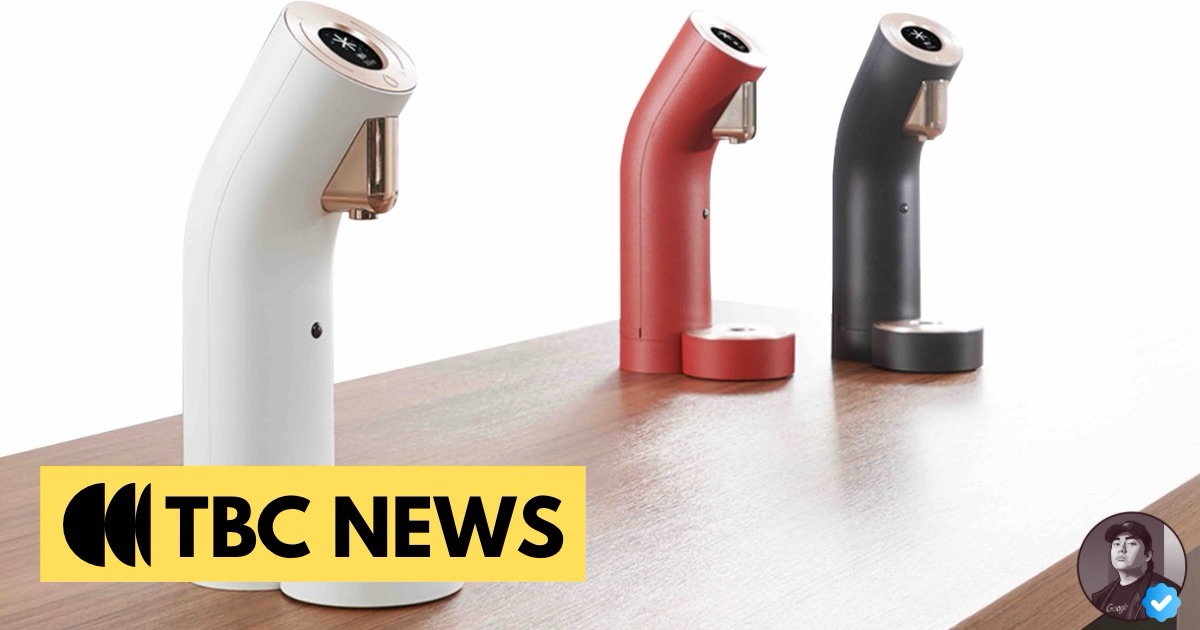
Wells Philippines understands this. Their award-winning flagship model, The One, brings 23 years of Korean engineering expertise to Filipino households, offering a quiet solution for Filipino families navigating the busiest season of the year.
Built for Filipino Celebrations
The One makes holiday hosting easier for Filipinos, thanks to the following features:
Temperature Versatility: The One serves water at your preferred temperature across three levels. Make spiced tea, coffee, or hot tsokolate in seconds with hot water at 50°C, 70°C, or 85°C. Prepare cold fruit juice at 6°C, and use ambient water at 27°C for your Christmas stews.
Compact Design: At just 8.8cm in diameter, The One doesn’t take up too much space on Filipino kitchen counters. During the holidays, when lechon dominates the table, and fruit salad cups crowd the countertop, every inch of space matters.
One Wheel Touch: Its One Wheel Touch feature allows you to control water temperature and volume with just a fingertip. While you’re busy serving Noche Buena, guests can easily help themselves to water.
9-Step Filtration: The compact 6-inch filter removes seven types of heavy metals and 35 types of harmful micro-organisms. Filipinos can trust that every glass served to guests meets high-quality standards.
Auto Water Draining System: After back-to-back festive celebrations, the last thing you want is another chore. While you rest, The One’s automatic sterilization feature refreshes unused water every 24 hours, ensuring that clean water is one less thing to worry about after the party.
With Wells The One, your home is ready for whatever the holidays bring. You and your loved ones can focus on the moments that make gatherings memorable—the conversations, laughter, and connections.
Homegrown fashion giant Penshoppe is ushering in a new era of comfort and connection with its latest campaign, “Cozy Days Ahead.” https://t.co/58q4DJoY1w
Canon Marketing Philippines, in partnership with Kanlungan sa Er-Ma Ministry, Inc. (KSEM), a non-profit dedicated to protecting and empowering vulnerable children—held a meaningful Kyosei CSR Day in Malate, Manila.
KSEM’s mission to serve, protect and develop children aligns closely with Canon’s Kyosei philosophy, which champions working together for the common good and building brighter communities.
The initiative brought together 70 children from KSEM and 30 Canon employee volunteers for a day of nourishment, creativity, and shared joy. A highlight was the “Draw Your Big Smile” activity, where children expressed their happiest moments through art, guided and encouraged by Canon volunteers.
The artworks were displayed on the Wall of Big Smiles, while a photo booth captured each child proudly posing with their drawings. Every participant took home a printed photo keepsake, a lasting reminder of their Big Smile moment.
“At Canon, we believe progress means uplifting lives and creating lasting impact. Partnering with Kanlungan sa Er-Ma allows us to support children in need of special protection by not only providing nourishment, but also sparking joy and hope for brighter futures,” said Anuj Aggarwal, President & CEO of Canon Marketing Philippines.
The event forms part of Canon’s 2025 community initiatives, which include coastal cleanups, tree planting, and youth programs—reflecting Canon’s commitment to Kyosei and its mission of “Delighting You Always.”
Homegrown fashion giant Penshoppe is ushering in a new era of comfort and connection with its latest campaign, “Cozy Days Ahead.” https://t.co/58q4DJoY1w
Apple has revised its developer license agreement to allow the company to recoup unpaid commissions and other fees from in-app purchases processed on developers’ behalf.
The change affects developers in regions that permit external payment systems, requiring them to report such transactions so Apple can claim its share.
The update gives Apple the right to “offset or recoup” amounts it believes are owed, including funds collected from end-users, at any time.
Developers could face deductions from digital goods, services, subscriptions, or one-time app fees if Apple determines earnings have been underreported. The agreement does not clarify how these determinations will be made.
This move has implications for markets including the EU, U.S., and Japan, where the legality and rate of commissions on externally processed payments vary.
In the U.S., courts are still weighing Apple’s ability to collect partial commissions, following a federal appeals ruling that instructed a lower court to consider allowing some collection but not the full 27% fee previously charged.
The update also addresses region-specific charges, such as the EU’s Core Technology Fee (CTF), which will transition in January 2026 to a more complex, percentage-based Core Technology Commission (CTC) applicable to apps using external payments or distributed under alternative business terms.
Apple can also collect unpaid amounts from affiliates, parent companies, or subsidiaries tied to the same account, broadening its enforcement reach across developer portfolios.
Additional changes cover age assurance technology, new iOS app terms in Japan, and rules for voice-activated assistants, including restrictions on recordings made without user awareness.
Apple clarified that applications may not be designed to facilitate such recordings but has not defined enforcement methods.
The revisions underscore Apple’s focus on maintaining revenue capture amid evolving regulatory scrutiny and external payment alternatives, raising compliance and financial reporting considerations for developers operating in multiple jurisdictions.
Homegrown fashion giant Penshoppe is ushering in a new era of comfort and connection with its latest campaign, “Cozy Days Ahead.” https://t.co/58q4DJoY1w
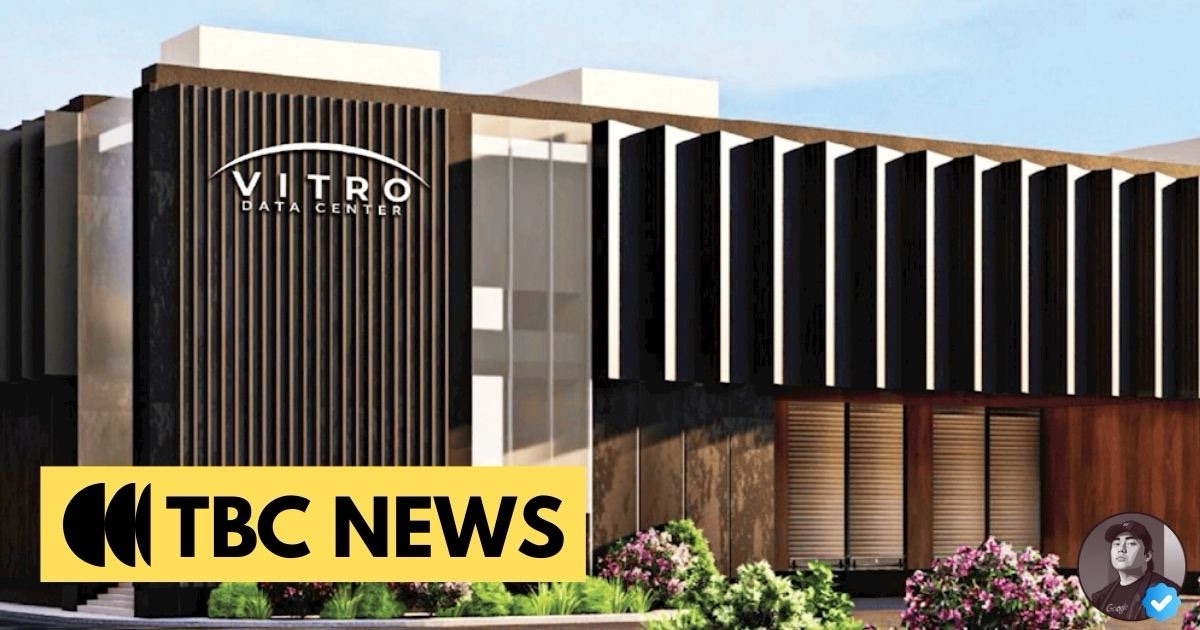
ABB has powered VITRO Santa Rosa, the Philippines’ largest and most advanced data center, with a complete electrification solution, enabling the country’s first AI-ready hyperscale data center.
Located in Laguna, just south of Metro Manila, the 50MW site is setting new benchmarks for AI readiness, reliability and sustainability as the Philippines emerges as one of the world’s fastest-growing data center markets.
With demand for AI infrastructure, cloud and streaming services accelerating across Southeast Asia, the facility has been designed to meet TIA Rated-3 Certification and Rated-4 readiness standards, ensuring high availability and reliability for mission critical workloads.
The data center integrates at least three independent fiber routes to ensure network diversity, resilience, and carrier neutrality, while also embedding sustainability across its supply chain, operations, and design, in line with LEED certification standards.
In collaboration with Distribution & Control Products, Inc. (DCPI), ABB has delivered a complete medium- and low-voltage electrification solution, including ZX2 and SafePlus gas-insulated switchgear, Tmax XT, and Emax 2 circuit breakers, protection devices and M4M analyzers, to provide continuous uptime and energy efficiency.
The integrated design ensures compliance with Philippine market requirements and gives VITRO Santa Rosa the flexibility to scale as AI workloads grow and demand for digital services accelerates.
“Delivering the world’s most advanced data centers takes global expertise and strong local partnerships,” said Christine Macadamia Penequito, Marketing & Sales Director, Electrification Smart Buildings & Smart Power, ABB Philippines.
“High performance starts with reliability – smart solutions that ensure critical power is always available. Partnering with DCPI to support the Philippines’ first AI-ready hyperscale data center, we are powering the future of digital infrastructure.”
Vincent Tiamsic, President of DCPI, added “Working closely with ABB early in the planning stage, we were able to tailor an advanced, compliant solution, fully aligned with VITRO’s requirements.
By combining with our deep local technical expertise, we’ve helped deliver a landmark facility that strengthens the Philippines’ role in Southeast Asia’s fast-growing data center sector and supports the country’s own digital development.”
Victor Genuino, President and CEO, VITRO Santa Rosa, said: “VITRO Santa Rosa marks a significant leap in the country’s digital transformation and AI adoption. Through our partnerships with ABB and DCPI, we’re able to scale faster and deliver world-class infrastructure built for businesses in the age of AI.”
ZTE Corporation, a global provider of information and communication technology solutions, has recently announced that it earned RMB 60.70 billion in revenue for the first half of 2023, which is a 1.5% increase compared to the same period last year.
Potato Corner, one of the Philippines’ most visible food exports, is facing renewed scrutiny as online allegations question how the company treats its franchise partners even as it accelerates global expansion.
Founded in 1992 as a single flavored fries cart, Potato Corner has grown into a worldwide chain with more than 2,300 outlets across Asia, the Middle East, Europe, and North America.
Its international push gained momentum after its 2022 acquisition by Shakey’s Pizza Asia Ventures Inc., followed by high profile openings in London and Taipei’s Xinyi District.
Company executives have repeatedly described overseas growth as a core strategy to introduce Filipino brands to global consumers and tap high foot traffic urban markets.
That growth narrative, however, has been challenged by complaints circulating on Facebook, Reddit, and other online platforms.
Several individuals claiming to be franchise applicants or former franchisees allege that proposals for prime locations were ignored, only for company owned Potato Corner outlets to later open in the same areas.
Others claim their franchise agreements were not renewed once locations became profitable, with the sites eventually taken over by the franchisor.
One Facebook post that gained traction described a franchise applicant who submitted a detailed proposal and waited months for feedback, only to discover a new company owned Potato Corner operating in her preferred location.
Another commenter alleged that after his franchise was not renewed, a corporate outlet was later established in his area.
Critics have labeled the practice as panunulot, or unjust takeover, raising concerns about transparency and fairness in site selection.
In response, Potato Corner released a public statement acknowledging the concerns and stressing that the allegations do not reflect its values or policies.
The company said franchisees are considered long term partners and confirmed that it has launched an internal investigation.
Management added that it has reached out privately to those who raised complaints and emphasized that controls are in place to ensure fair site selection.
How Potato Corner resolves the issue could influence its reputation among future partners, particularly as it continues expanding into newer markets such as the United Kingdom and Taiwan.
Homegrown fashion giant Penshoppe is ushering in a new era of comfort and connection with its latest campaign, “Cozy Days Ahead.” https://t.co/58q4DJoY1w