
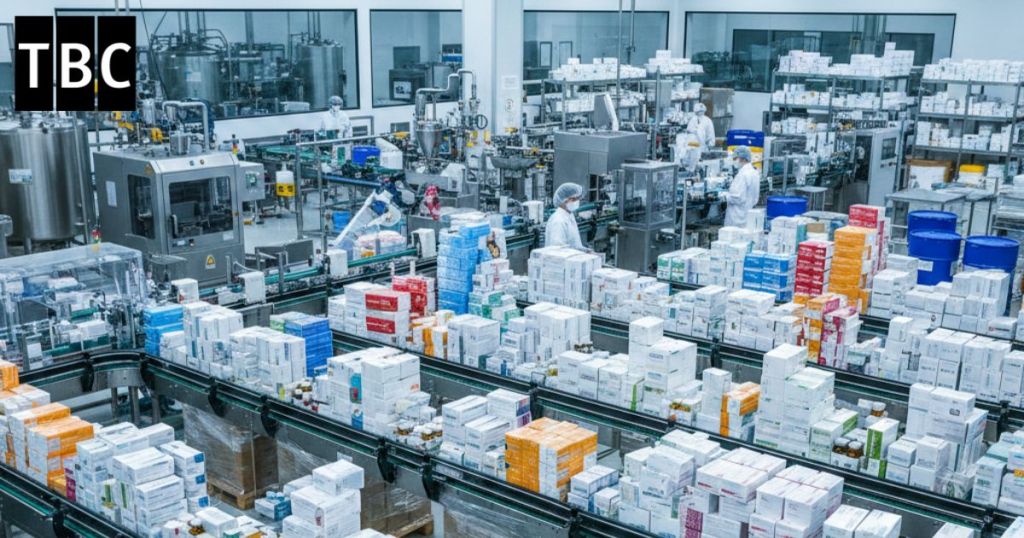
If you thought pharma was only about vaccines or pills you see at the pharmacy, think again. Global drugmakers are racing to snap up China-developed experimental drugs, spending billions to stay ahead of patent expirations. Last year, licensing deals in the greater China region, including Hong Kong, Macau, and Taiwan, hit a record $137.7 billion, nearly ten times the 2021 total, according to Pharmcube.
Big names like Novartis, Merck, and GSK led the rush, signing major agreements with mainland Chinese firms. Analysts say the boom is set to continue, with BofA Securities’ Tom Barsha predicting the total deal value could double in the next 18 to 24 months. Macquarie Capital’s Tony Ren expects 40 to 50 percent growth this year, especially for drugs considered essential in cancer treatment.
Licensing deals let companies develop, manufacture, or sell another firm’s drug in exchange for upfront and milestone payments, which spreads out risk and cost. That structure is helping foreign firms tap into China’s strong chemistry and specialized molecules without the full expense of internal research and development. China now accounts for nearly 90 percent of global antibody-drug conjugate licensing, a cancer therapy that targets tumors directly while sparing healthy cells.
Deal sizes are soaring. The average 2026 deal is already $1.3 billion, up 76 percent from last year and six times the 2021 average. AstraZeneca’s experimental weight-loss drug deal with CSPC Pharmaceutical Group could reach $18.5 billion, while AbbVie’s tumor treatment licensing deal with RemeGen may hit $5.6 billion. So far this year, 38 out-licensing deals have been announced, including U.S.-based Madrigal Pharmaceuticals’ liver-disease program with Suzhou Ribo Life Science, worth up to $4.4 billion if milestones are met.
Upfront fees are rising too. This year, companies are paying an average of $77.7 million, double last year and triple 2021 levels. Chinese biotech firms are asking more as demand surges and their assets gain global recognition.
The message is clear. Global pharma is betting big on China’s drug pipeline, and billions in future treatments, from weight management to cancer therapy, may soon have a Chinese stamp on them.


Leave a Reply