

New research from global professional services company GHD reveals 95 percent of surveyed Filipinos feel they have experienced the effects of climate change (compared to a 10-country average of 64 percent). Furthermore, 94 percent of Filipinos say the government should spend more to protect communities from water-related climate change events, like storms, floods and rising sea levels.
GHD’s CROSSROADS intergenerational equity research is based on a comprehensive survey conducted across ten countries: Australia, Canada, Chile, New Zealand, the Philippines, Qatar, Singapore, the United Arab Emirates, the United Kingdom, and the United States. A total of 13,000 adults, sampled to be representative of age, gender and region in these countries, participated in the survey in mid-May 2024.
Asked to look 30 years into the future and consider “…whether the decisions being made by the current generation of leaders will leave your community in a better or worse state than it is today,” all Filipino generations are more optimistic than their “Anglosphere” counterparts. The differences are most stark with older generations, with 63 percent of Filipino Gen X and 65 percent of Filipino Baby Boomers agreeing the state of their community would be much better or a little better, compared to 10-country averages of 44 percent and 34 percent respectively.
All generations in the Philippines nominated “Developing green, nature-based solutions to ensure supply of clean, safe drinking water that protects natural waterways/oceans” as the highest priority, with Generation Z respondents giving equal priority to “Building a sustainable economy that reduces, reuses, repairs, recycles, recovers and disposes sustainably.”
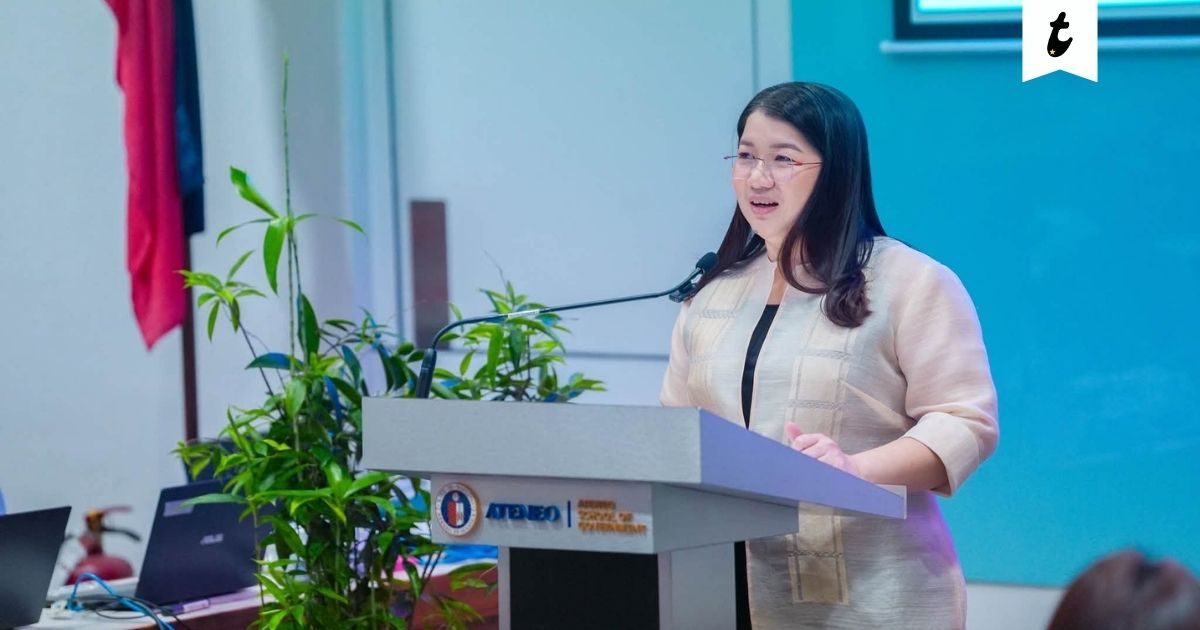
According to Daniele Coronacion, GHD’s Executive Advisor, Philippines, the findings reflect widespread support across all age groups for resilient infrastructure that can withstand climate-related challenges.
“Our objective in pursuing this research was to better understand intergenerational differences, but what we have found is that all generations in the Philippines are united in their desire for more sustainable infrastructure and communities,” Coronacion says. “Intergenerational equity is about achieving fairness and justice across all generations, both now and in the future. The survey shows that there is broad agreement on priorities that must be tackled and an optimistic outlook that makes progress possible. At the same time, there is a need to ensure that everyone’s voices are heard and all generations are included in decision-making.”
CROSSROADS is a thought-provoking exploration of intergenerational equity, through an infrastructure lens. By overlaying community sentiment with GHD’s technical insights, the report is intended to spark an informed discussion of what can be done today to support the delivery of fair and fit-for-purpose infrastructure for tomorrow.
Other key findings of CROSSROADS survey include:
- 95 percent of Filipino respondents say they are committed to making sustainable choices and practicing more eco-friendly habits to reduce the impact of climate change
- 73 percent of Filipino respondents are open to “drinking treated or recycled water like purified wastewater, stormwater, or sea water with the salt taken out”
- 83 percent of Filipino respondents are willing to pay more for household water if it means everyone in the community has access to clean drinking water and sanitation
- 95 percent of Filipino respondents would like to see more green and sustainable building methods
- 90 percent of Filipino respondents would use public transport more to get to work, school, shopping and healthcare if it was easier, more reliable and/or cheaper
- 93 percent of Filipino respondents say the government needs to do more to cut transport emissions, like providing incentives for electric vehicles, encouraging public transport use and providing safe paths for walking and cycling
- Compared to respondents in other countries, Filipino respondents in particular cited concerns about safety and quality of roads and bridges.
About CROSSROADS research
For its CROSSROADS report, GHD conducted a survey across 10 countries: Australia, Canada, Chile, New Zealand, the Philippines, Qatar, Singapore, the United Arab Emirates, the United Kingdom, and the United States. A total of 13,000 adults, sampled to be representative of age, gender and region in these countries, participated in the survey in mid-May 2024. The survey explored views on various aspects of infrastructure and intergenerational equity, aiming to uncover shared aspirations and potential future solutions.
Survey respondents were sourced from Ipsos Panels, ensuring a wide and representative sample from each country.
Sample size: 1,000 respondents per country for most countries, with a larger sample size of (4,000 respondents) in the US. The data from the US was weighted to represent one-tenth of the total survey, ensuring a balanced and proportional reflection of the overall population.
Demographics: Adults aged 18 and above, encompassing a wide age range, covering Gen Z, Millennials, Gen X and Baby Boomers. The sample also included diverse ethnicities and Indigenous voices to ensure representativeness.



Leave a Reply