
BORACAY, Philippines — Philippine enterprises across banking, BPO, retail, healthcare, manufacturing, and government are facing critical infrastructure, cybersecurity, and energy hurdles as they attempt to transition artificial intelligence from early pilot programs into live operational production.
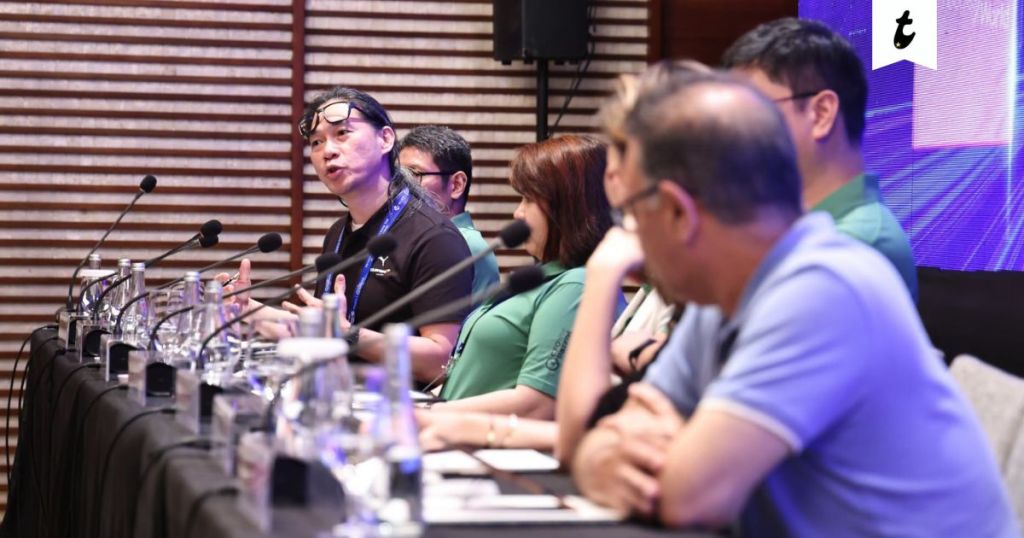
At the ninth annual CXO Tech Summit held from October 20 to 23 at Shangri-La Boracay, leading ICT distributor VST ECS Phils., Inc. gathered executives from Dell Technologies, Fortinet, H3C, HPE, HP, APC by Schneider Electric, and Nutanix to address the practical barriers stalling local AI integration.
Under the summit’s theme, “Rethinking IT: Powering the AI-Driven Enterprise,” industry leaders outlined how local organizations can navigate legacy systems, rising cyber threats, high electricity costs, power grid instability, and a persistent shortage of skilled IT personnel.
“Two years ago, AI was a demo. Last year, it was a pilot. This year, the leaders who are pulling ahead have moved it into production,” said Jimmy Go, President and CEO of VST ECS Phils., Inc., in his opening address to summit delegates. “As the leading ICT distributor in the Philippines, VST ECS does more than deliver technology—we make global innovation locally accessible. Through strong alliances with the world’s most trusted brands, we empower enterprises to embrace transformation, fortify digital infrastructure, and ensure progress reaches every community, every industry, every corner of the nation.”
Overcoming Core Infrastructure and Security Barriers
Transitioning AI to full production requires modern, scalable infrastructure built to handle heavy data processing while adhering to local regulatory standards such as the Data Privacy Act and Bangko Sentral ng Pilipinas (BSP) guidelines.
To address these demands, panelists detailed specific focus areas across the technology stack:
- Hybrid Cloud and Automation: Representatives from Dell Technologies, HPE, and Nutanix explained how private and hybrid cloud platforms powered by automation allow lean internal IT teams to execute AI workloads while maintaining strict control over sensitive enterprise data.
- Archipelagic Connectivity: H3C demonstrated how modern computing, networking, and wireless architectures maintain performance for data-heavy applications across distributed offices and regional branches.
- Automated Cybersecurity: Fortinet highlighted the deployment of integrated, AI-driven security tools to counter cybercriminals who are using similar automated technologies to execute rapid attacks.
- Power and Thermal Management: Addressing local grid volatility and high power costs, APC by Schneider Electric emphasized that high-density AI computing requires specialized secure power systems, efficient cooling solutions, and energy-conscious data center design.
Preventing a Growing Digital Divide
Summit discussions emphasized that access to digital infrastructure—including cloud platforms, compute resources, and connectivity—is increasingly determining market competitiveness and economic opportunity in the country. Executives warned against a deepening digital divide between large enterprises and smaller organizations.
Panellists noted that democratizing technology requires lowering adoption barriers for smaller enterprises and regional communities to ensure the economic benefits of digital transformation extend beyond major corporate centers.
AI Deployment in the Workplace and Customer Operations
The summit also evaluated the direct impact of hardware on workplace productivity and customer service operations. HP Philippines outlined how AI PCs and hybrid work tools are being deployed to support frontline workers, contact center agents, and retail staff.
While enterprises leverage AI to deliver faster, personalized customer experiences, executives stressed that businesses must implement these tools alongside strict identity protection measures to remain fully compliant with data protection laws.
With a portfolio spanning more than 100 global technology brands and an extensive domestic channel network, VST ECS aims to supply the combined infrastructure, devices, security, and power architecture local organizations require to scale AI operations nationwide.


Leave a Reply