MAKATI CITY, Philippines — The Philippine art industry is experiencing a notable shift in audience behavior as local museums attract a new market segment composed of young Filipinos who seek immersive art experiences rather than art purchases.
This rising generation of young art lovers is engaging with cultural institutions differently by visiting exhibitions, appreciating the works, and sharing their experiences on social media platforms like TikTok.
According to Yuchengco family heir Marco Y. Santos during a media day marking the 20th anniversary of the Yuchengco Museum, a third-floor exhibit that initially drew only about 20 daily visitors saw attendance surge to 500 people per day after a guest shared a video online.
Santos noted that museums must remain relevant and adapt to these changing dynamics by offering spaces that are more immersive, inclusive, and engaged, while also maintaining their commercial viability.
Data from the Philippine Statistics Authority revealed that the country’s creative economy expanded by 6.9 percent year-on-year to 2.12 trillion Philippine pesos in 2025, accounting for 7.6 percent of the gross domestic product.
Despite this economic expansion, separate government data showed that employment within the domestic creative sectors slipped by 0.4 percent to 8.71 million workers in 2025, though the sector still represented 17.8 percent of total nationwide employment.
Yuchengco Museum Director Jeannie E. Javelosa explained that the digital power of the youth presents unique opportunities for cultural institutions, provided that these online encounters remain anchored on substantive historical narratives.
Javelosa emphasized that the educational and inspirational role of museums is especially critical now following reports that the Commission on Higher Education is removing art and culture from the standard curriculum.
To actively support the local creative economy and help independent creators achieve financial survival, the institution founded by diplomat Alfonso Yuchengco is transforming its physical layout into an interconnected three-platform ecosystem.
Museum trustee and architect Daniel Vicente A. Lichauco stated that the museum aims to bridge the sustainability gap for local designers and creative entrepreneurs by expanding beyond typical functions to provide reliable spaces for innovation.
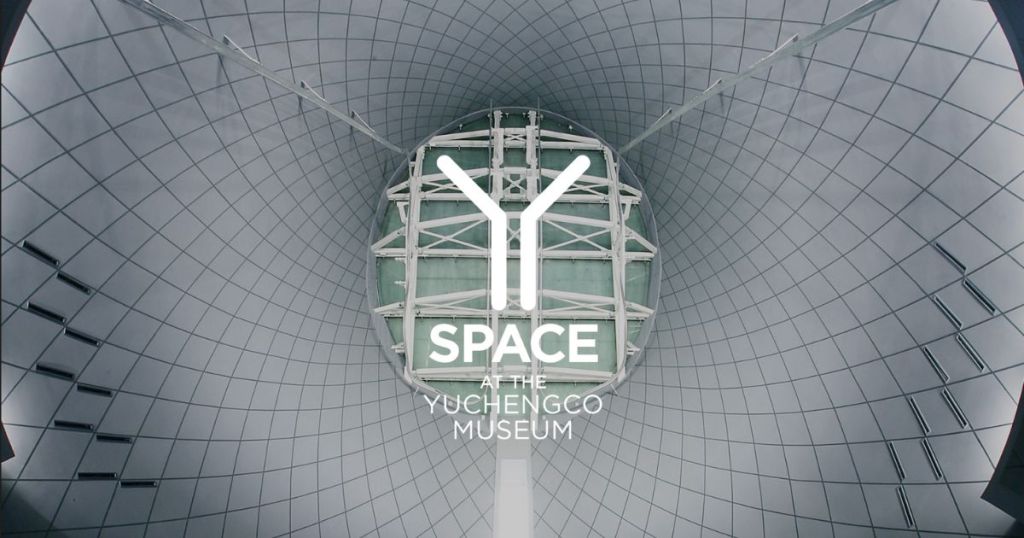
Under the new structural design, the institution has launched Y Space on its first two floors to serve as a flexible venue for creative events, public engagement, and multi-industry collaborations.
The lower levels also feature a retail marketplace called YShop, which offers independent Filipino brands premium commercial real estate in the Makati central business district without prohibitive traditional overhead costs.
The upper floors will continue to function as traditional galleries, housing permanent collections and rotating exhibitions focused on fine art, design, fashion, architecture, and digital media.
This strategic direction builds upon the success of a 2025 architectural exhibit featuring unbuilt national designs, which successfully attracted roughly 7,000 student visitors to the venue.
Museum chair Yvonne Yuchengco concluded that the institution was always intended to function as an active forum for cultural dialogue among Filipino, Sino-Filipino, and international communities rather than just a quiet repository for art.



Leave a Reply